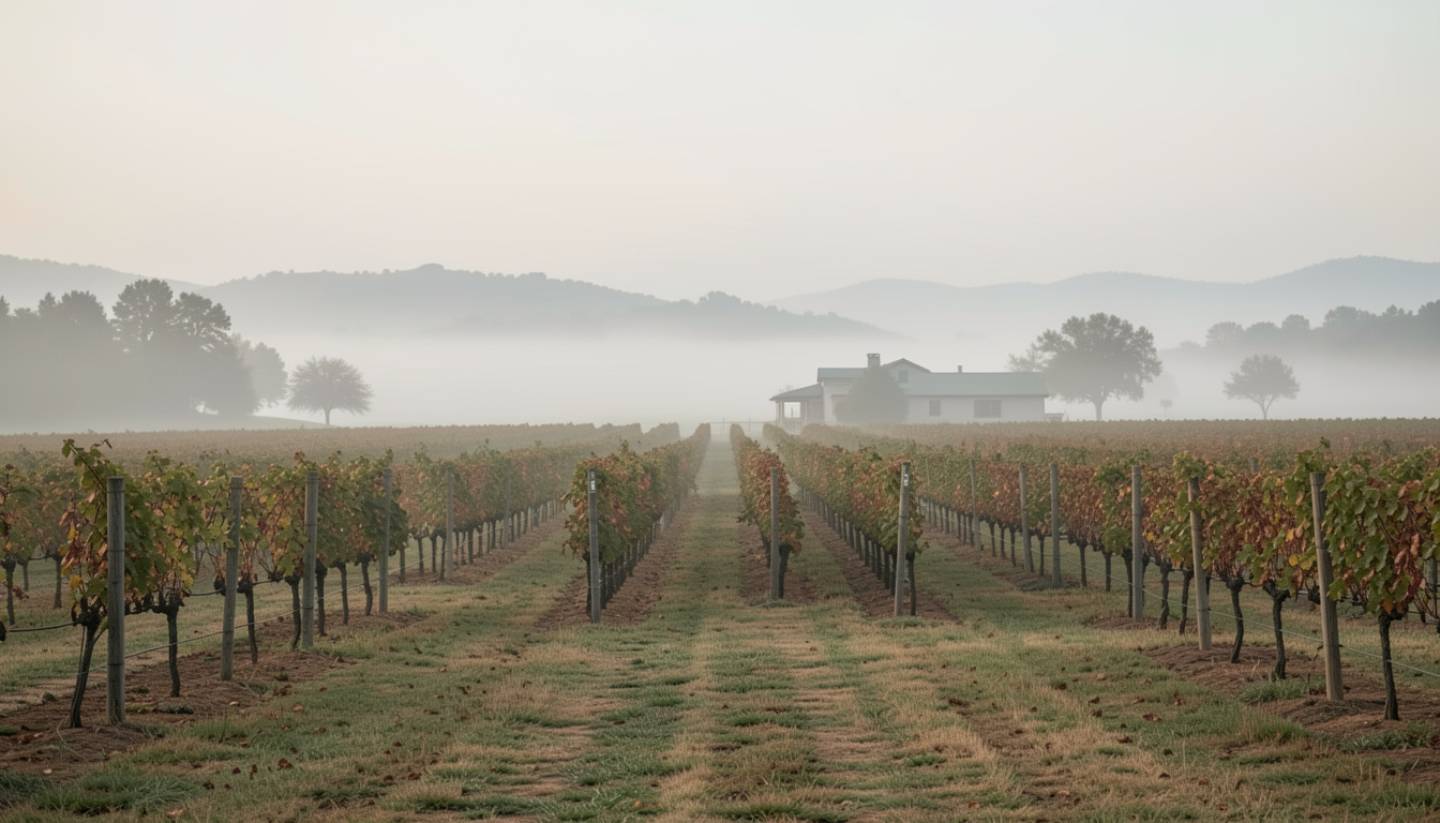
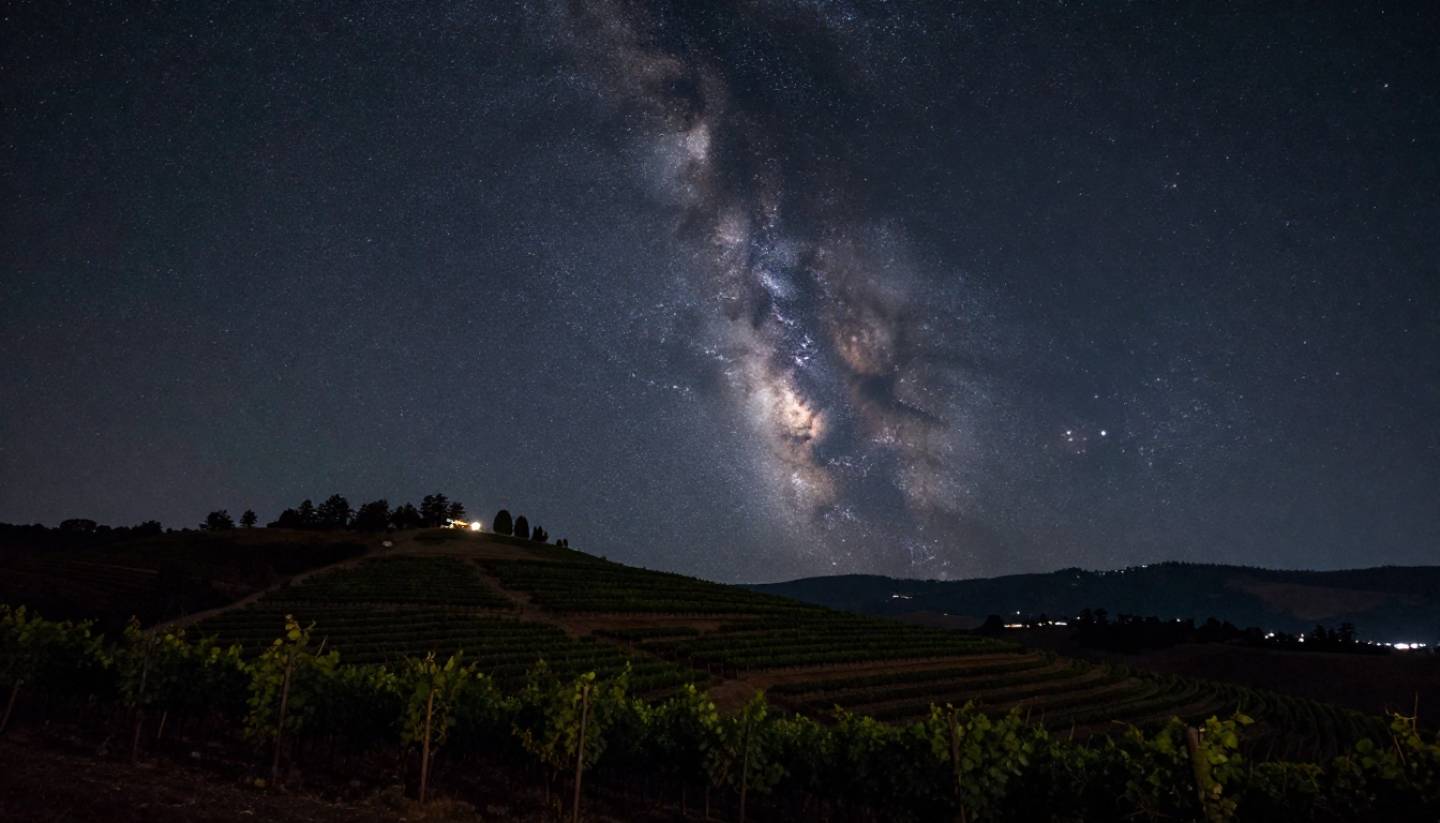
There is a moment in Napa Valley when the last dinner plates are cleared, the valley floor exhales, and the hills begin to disappear into shadow. Highway noise fades. Porch lights blink off. What remains is a sky most visitors never look up long enough to notice.
For travelers who love stargazing, Napa offers something quietly rare: darkness shaped by geography, elevation, and restraint. This is a wine region that goes to sleep early, and that early stillness is what gives the night back to the sky.
What This Experience Is Really About
Stargazing in Napa is not about telescopes or observatories. It is about alignment with the valley’s agricultural rhythm. Once the workday ends, the land rests, and the darkness settles in naturally.
What makes Napa special at night:
- Elevation that lifts you above valley haze and lingering fog
- Agricultural zoning that limits excessive street lighting
- The Napa quiet, an early-evening culture that stills the landscape faster than most destinations
It feels intimate rather than remote.
When the Sky Is Best
New moon phases
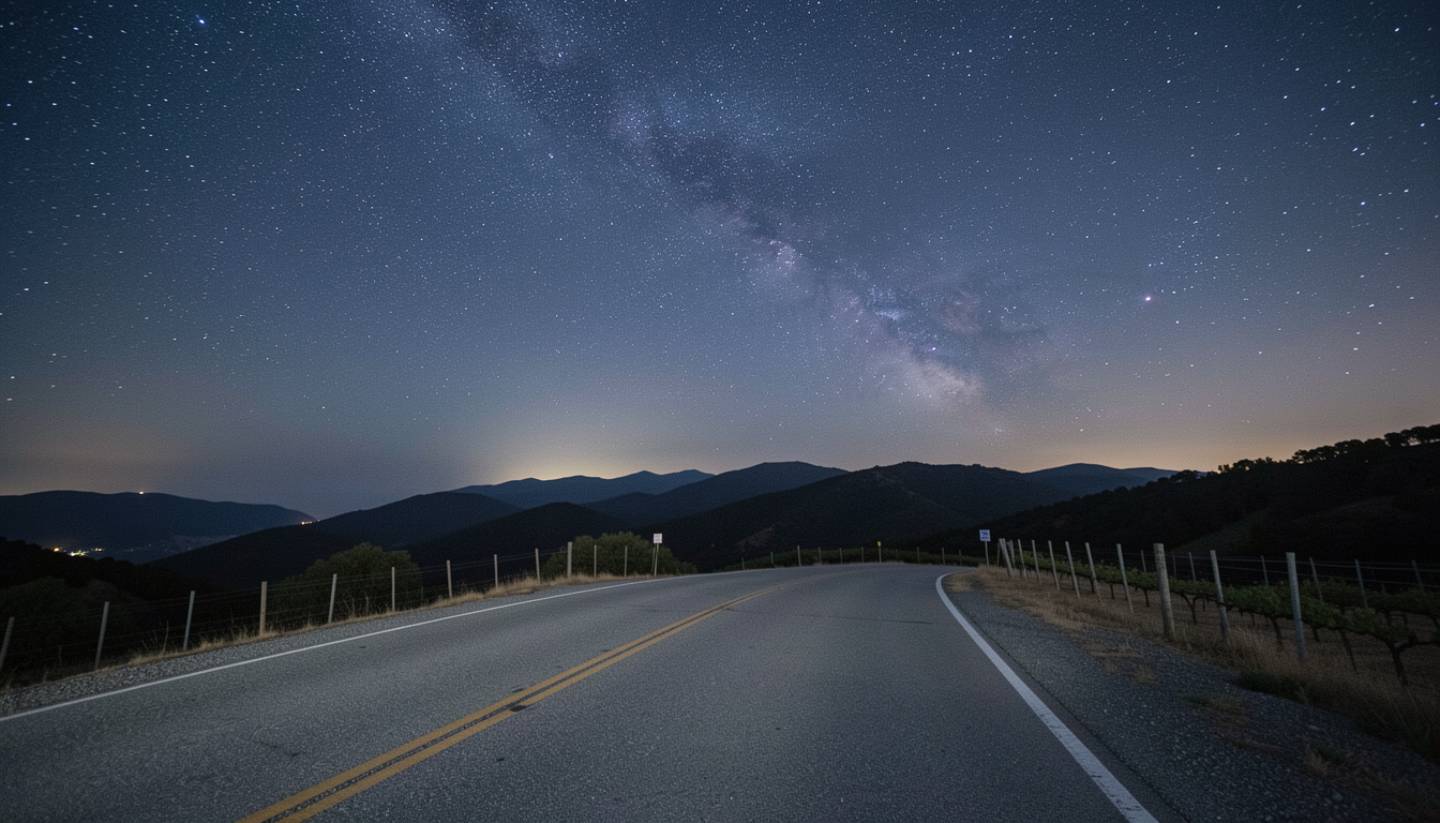
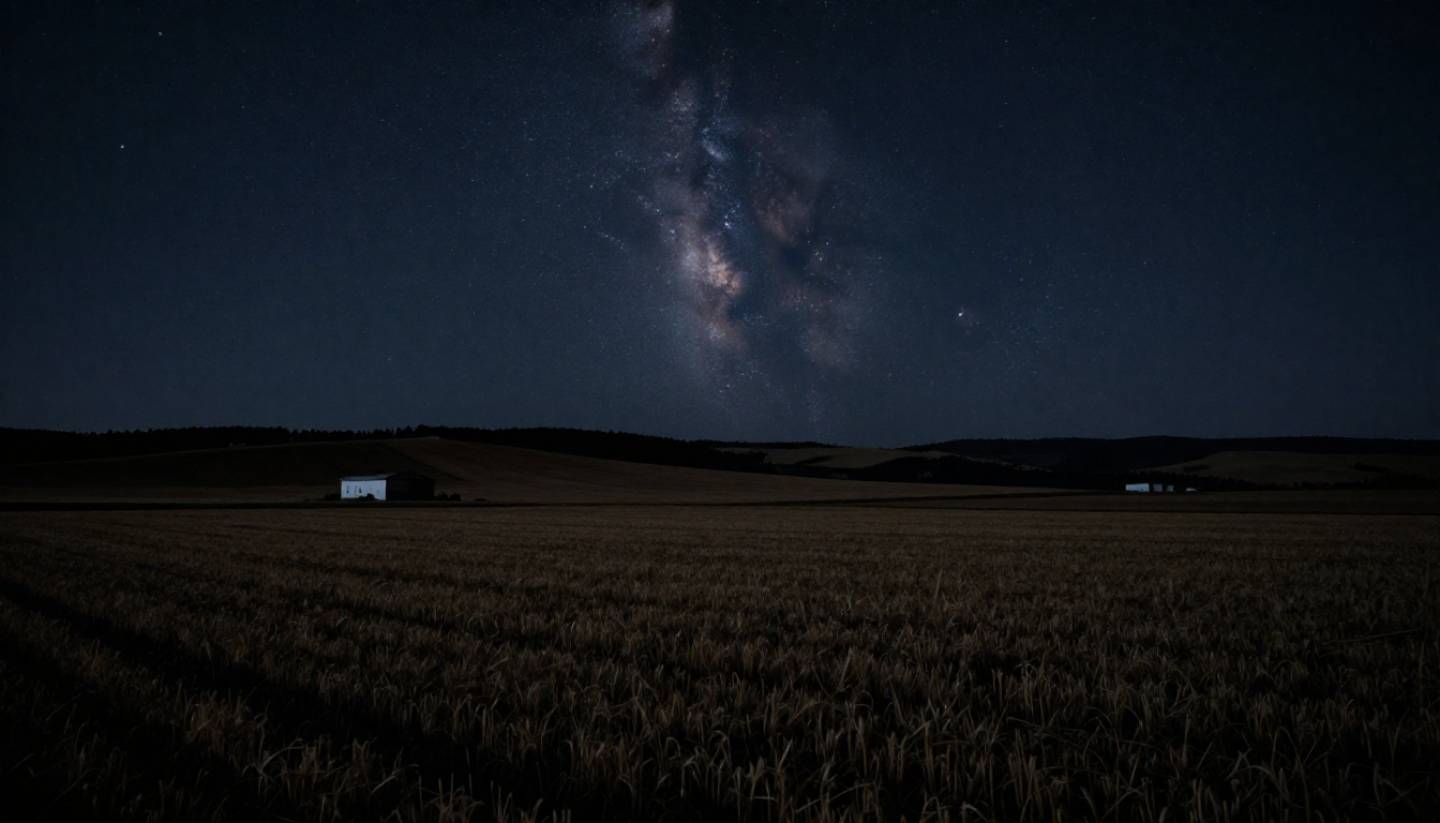
Plan around the lunar calendar. Moonless nights reveal the Milky Way from higher ground.
Late fall through winter
This is the slower, truer Napa. Cooler air reduces distortion, and constellations like Orion and Taurus appear sharp and bright.
Post-harvest calm
Late October through November brings quieter roads and fewer nighttime work lights once the crush wraps.
Where to Go After Dark
Mount Veeder, west side of the valley
Head west from Highway 29 into the Mayacamas. Pullouts and hillside lodging here sit above much of the valley glow.
Atlas Peak and Soda Canyon Road, east side
A winding climb off the Silverado Trail. Once you crest the ridge, the eastern sky opens wide.
Pope Valley, north of Howell Mountain
Often overlooked and remarkably dark. Minimal development means the sky feels expansive and untouched.
Calistoga hills
The northern end of the valley benefits from distance and terrain that naturally buffer Bay Area light.
What Most Visitors Miss
Most visitors retreat indoors by about 9:00 PM. What they miss is when the valley truly resets. Crickets replace conversation. Wind moves through vines instead of cars.
You do not need a telescope. You need patience. Give your eyes time to adjust and let the stars arrive gradually, the way everything does here.
My Local Notes
Some of my most grounding moments in Napa have happened without plans. Stepping outside late. Letting my eyes adjust. Realizing how much space there is above the vines.
When we were shaping Estate 8, nighttime mattered as much as daylight. Sightlines. Light placement. Knowing when darkness should take over instead of fighting it. ONEHOPE grew from that same respect for atmosphere over spectacle. I am admittedly biased. Estate 8 is my purpose-driven baby. But the valley feels most honest once it finally goes dark.
A Gentle Stargazing Rhythm
Early evening
Finish dinner earlier than usual in St. Helena or Yountville. Let the valley quiet naturally.
Nightfall
Drive slowly toward elevation or step outside if you are already staying in the hills. Turn off exterior lights when possible.
Late night
Stay past 10:00 PM. The sky often improves as ambient light drops and your eyes fully adjust.
How to Stargaze Like a Local
- Use a red-light flashlight to preserve night vision
- Dress warmer than you expect, even in summer
- Watch for deer and other wildlife on rural roads
- Stay on public pullouts or permitted private property
- Let silence be part of the experience