There is a version of Napa Valley that reveals itself best when you are not being led anywhere. No host setting the pace. No van idling outside. Just you, a map, a loose plan, and the confidence to linger when something feels right.
For travelers who want a self-guided wine tour, Napa is unusually forgiving. Short distances. Clear geography. A culture that quietly rewards curiosity over speed. Trust your own rhythm here and the valley meets you halfway.
What This Experience Is Really About
Self-guided touring is about agency. You decide when to stay longer, when to skip a stop, and when the day is finished.
Napa supports this approach because the valley is narrow and legible. You are rarely more than fifteen minutes from a meaningful view or a solid meal. Hosts expect guests to arrive informed and intentional, which opens the door to real conversation rather than a script.
When It Works Best
The slower midweek
Tuesday through Thursday brings lighter traffic on Highway 29 and more relaxed, personal tastings.
Late mornings, early finishes
Start at 10:30 or 11:00 AM. Be done by 4:30 PM, before decision fatigue or late-day traffic sets in.
Shoulder seasons
March through May and November feel calmer and more local, with fewer rushed experiences.
How to Structure a Self-Guided Day
Pick one cluster
Choose Oakville, Rutherford, or St. Helena. Staying close lets you notice soil changes and site differences without living in the car.
Limit your stop
Two wineries is the local ideal. Three is the absolute maximum if you eat well and pace yourself.
Drive the loop
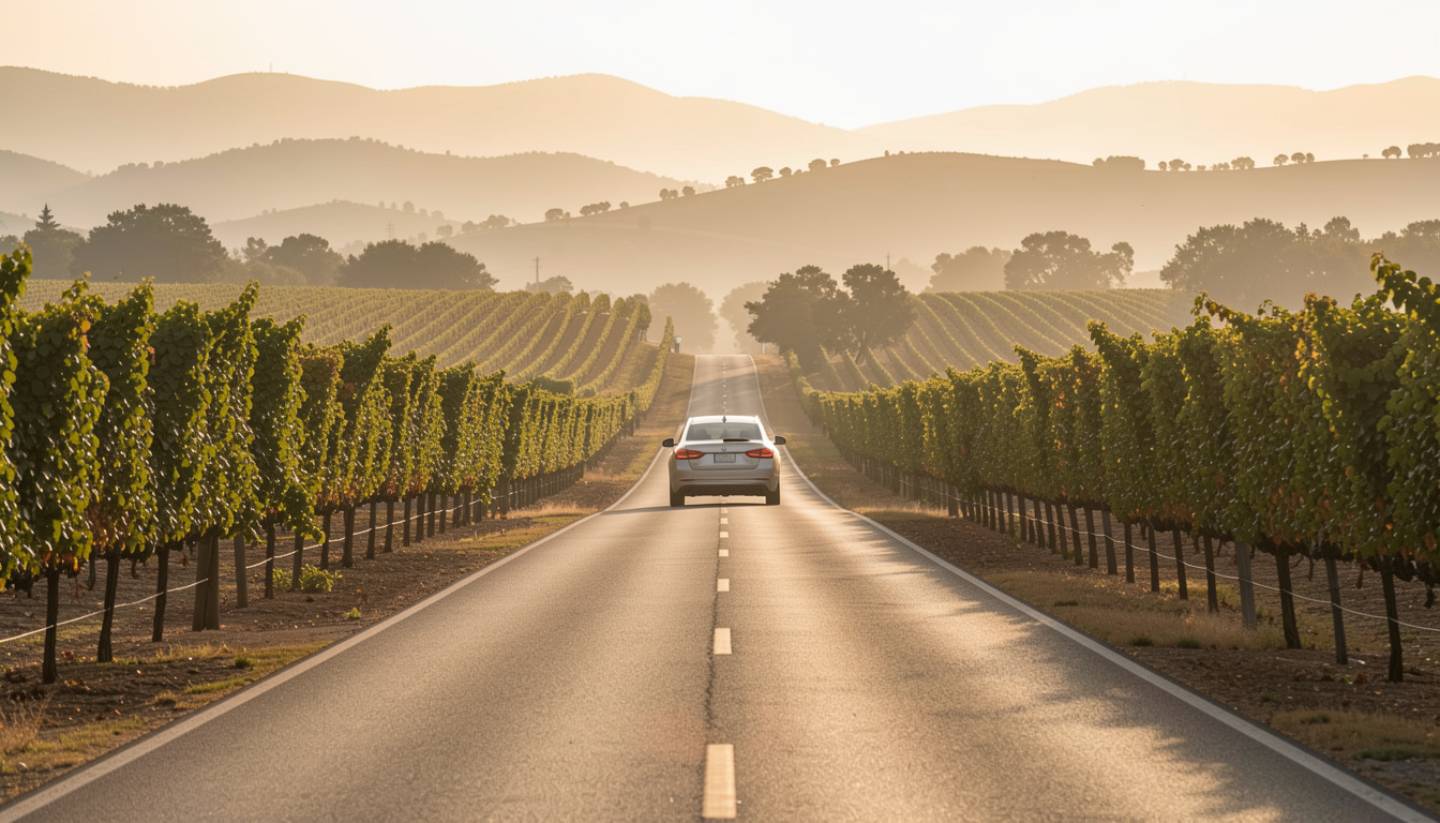
Head north on Highway 29 in the morning, return south on Silverado Trail as the sun hits the Mayacamas. The light tells you when to slow down.
Wineries That Work Well for Self-Guided Visits
Look for places with seated tastings, clear appointment windows, and unhurried hospitality.
- St. Supéry Estate for estate focus and an easy pace
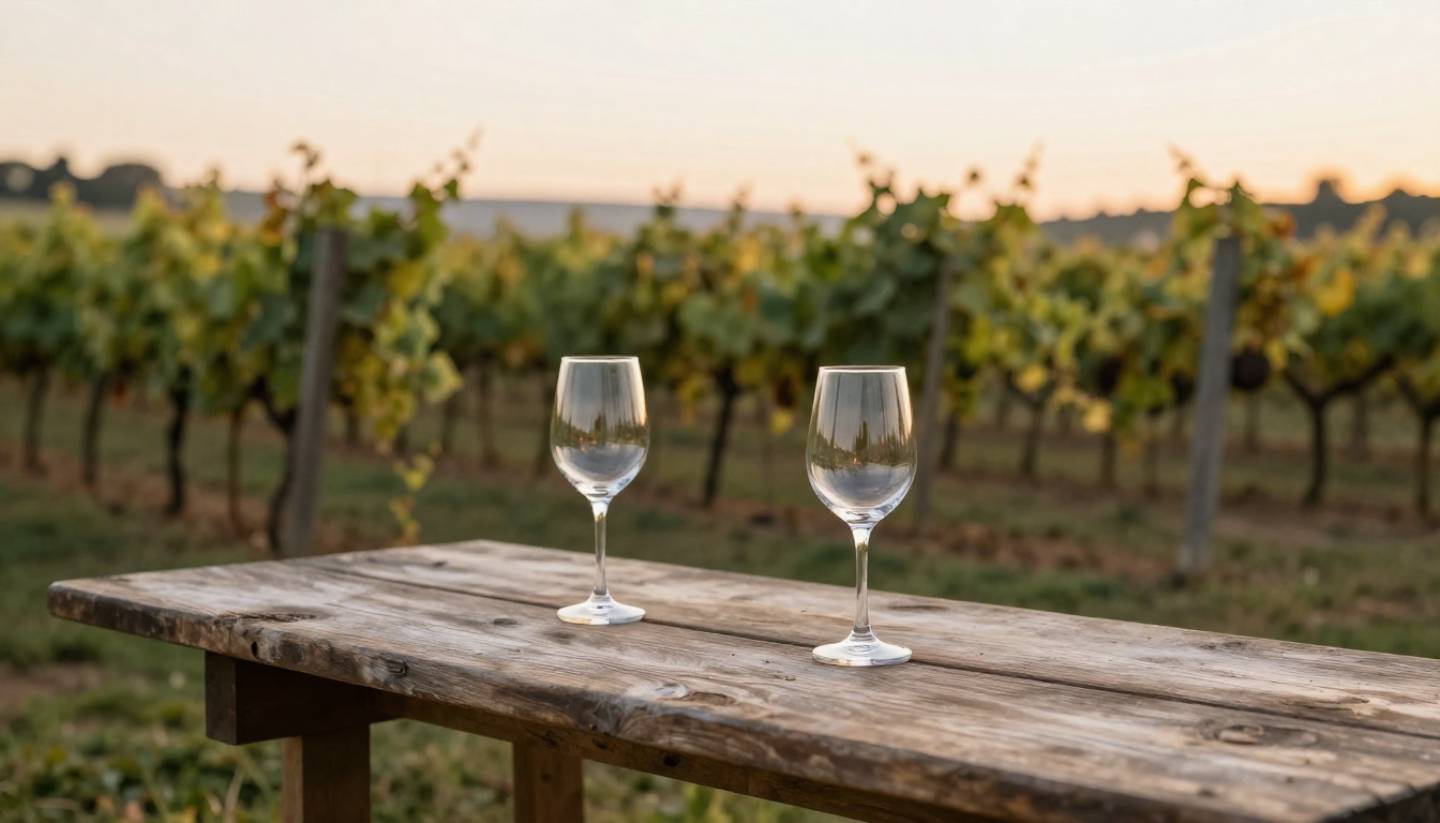
- Frog’s Leap for organic farming and garden-side tastings
- Artesa Winery for modern design and a strong geographic anchor in the south valley
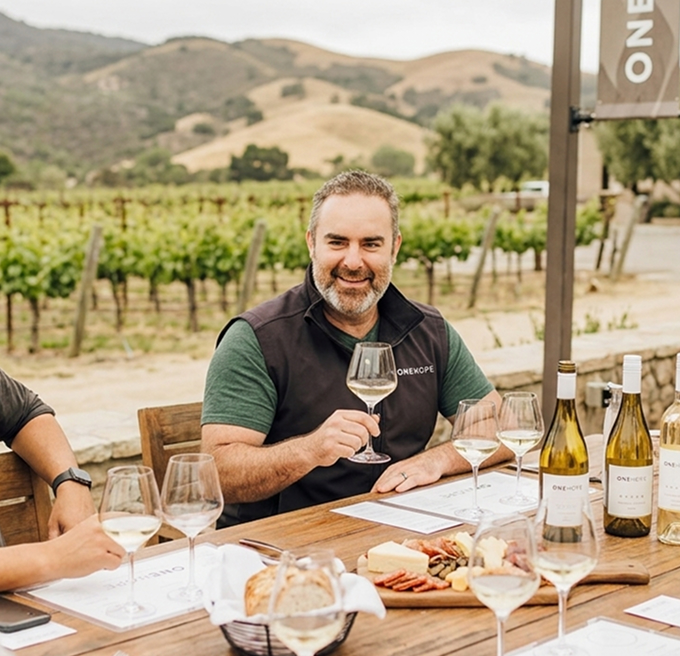
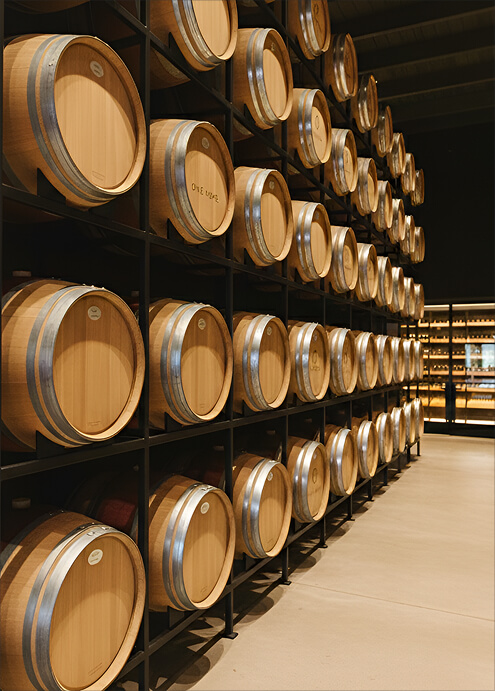
If you want to see how purpose and place intersect, ONEHOPE Winery at Estate 8 is a meaningful stop by appointment. I say that with full transparency. It is my home base and my purpose-driven baby.
What Most Visitors Miss
Most self-guided travelers overplan. Napa rewards the empty space. The best insights often come after the formal tasting ends, when you have time to ask about a block, a vintage decision, or the dust under your feet.
Leaving time unassigned here is not inefficient. It is strategic.
My Local Notes
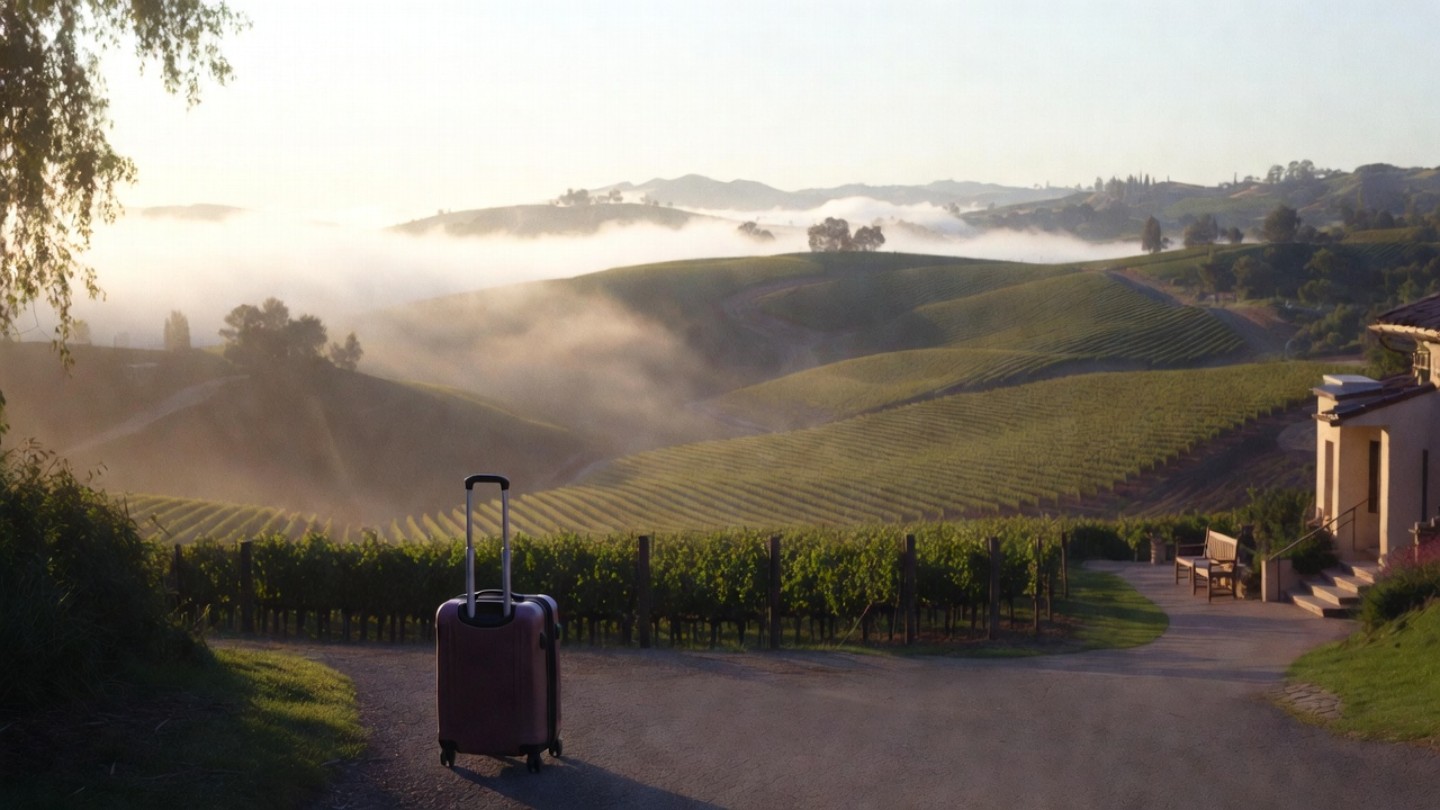
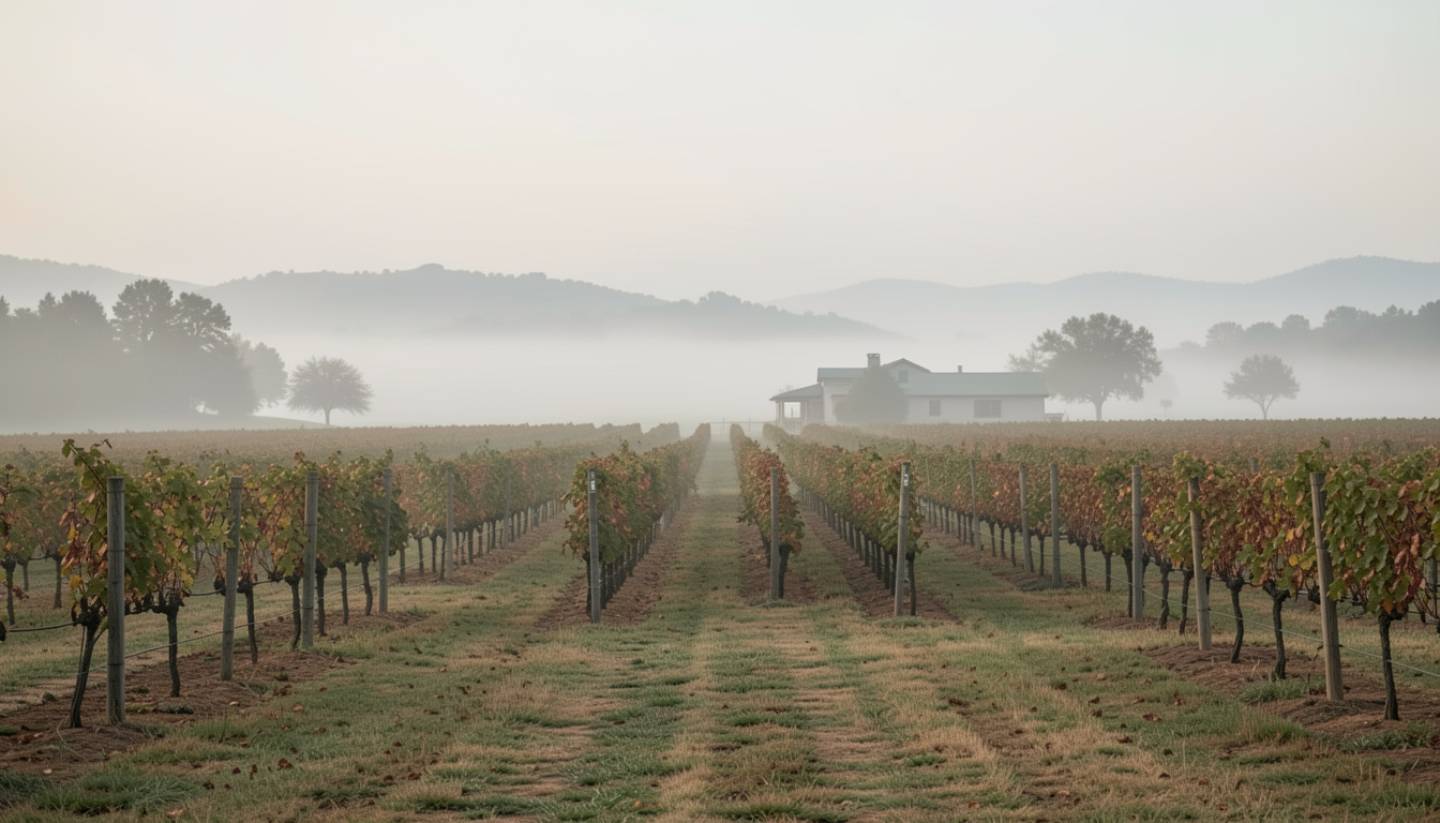
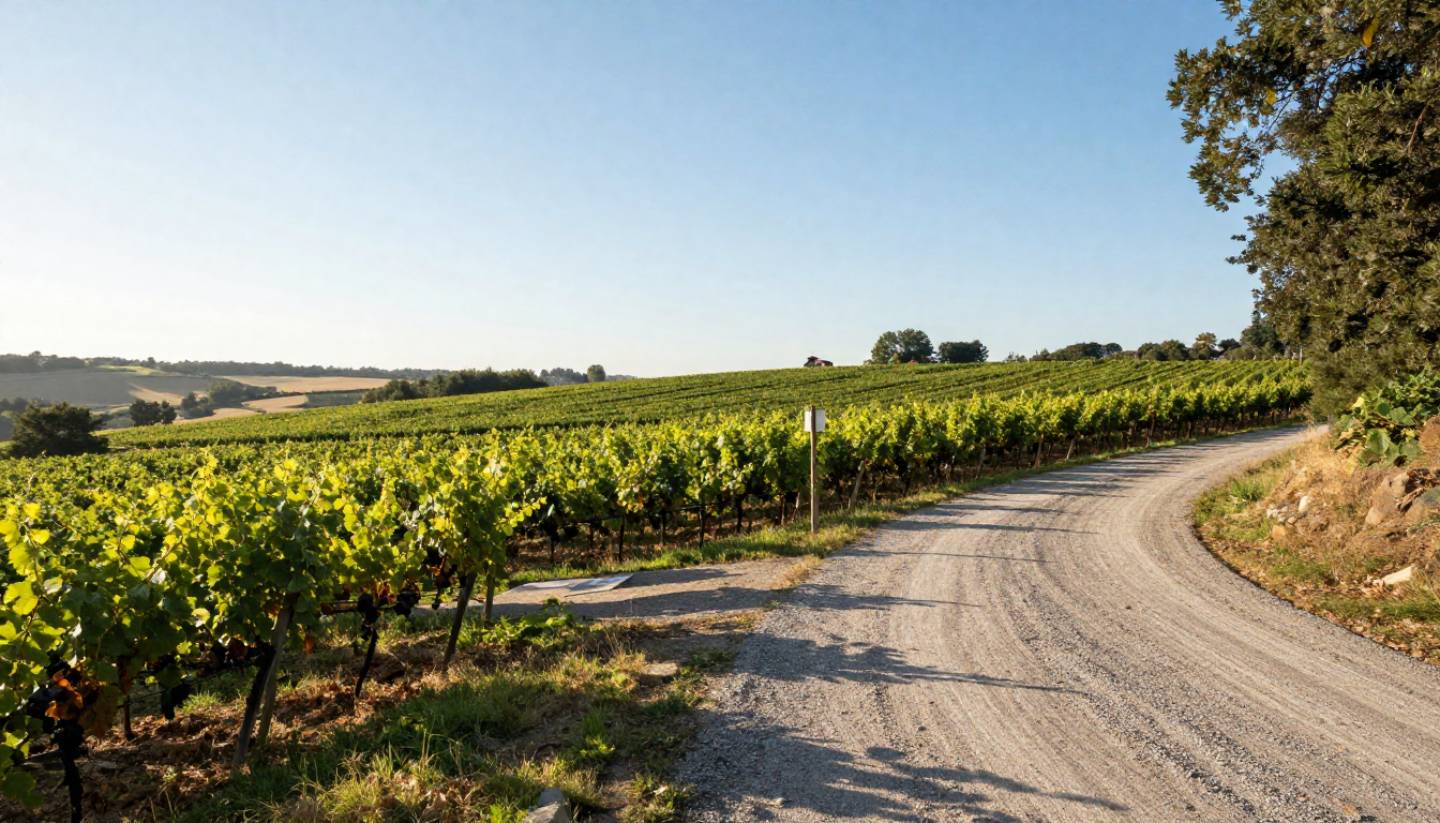
I learned this valley by driving it long before I hosted anyone. Pulling over on Silverado Trail just to watch the fog lift. Taking the same road at different hours to feel how it changes.
When we were shaping Estate 8, we thought carefully about how guests arrive when they guide themselves. How the drive feels. How the day exhales before and after the tasting. ONEHOPE grew from that same belief that wine experiences should meet people where they are, not force them into a script. I am biased. Estate 8 is my purpose-driven baby. But the visits that linger are almost always the self-directed ones.
A Gentle Self-Guided Itinerary
Day One
Arrive and orient. One afternoon tasting close to where you are staying. Early dinner.
Day Two
Two wineries in the same AVA. Long lunch in between at a place like Farmstead or Bistro Jeanty. Finish before 5:00 PM.
Day Three
Coffee, one final stop if you feel like it, then leave before the valley feels busy.
Practical Tips That Matter
- Eat between tastings
- Drink water at every stop
- Ask hosts where they would go next
- Cross the valley once, at most
If you feel done, you are done