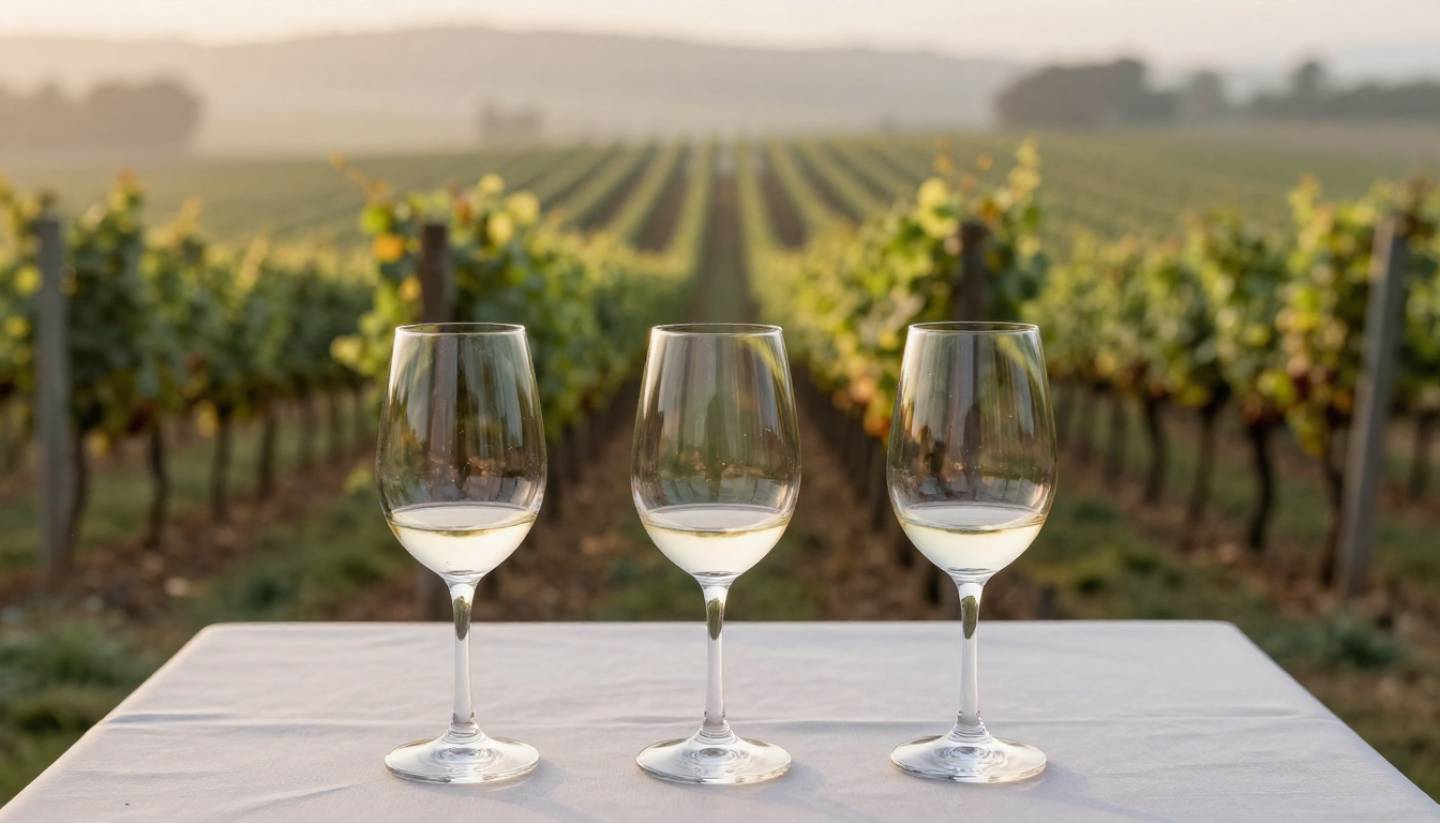
There is a moment in Napa Valley when wine stops being about what you like and starts being about what you understand. It happens when you taste the same grape grown five miles apart and realize how differently it behaves in the glass. Not better. Not worse. Just shaped by soil, exposure, fog, and patience. For travelers who want to learn grape varieties in depth, Napa is not a checklist destination. It is a living classroom where Cabernet Sauvignon, Chardonnay, and Pinot Noir explain themselves slowly, if you give them the space.
What This Experience Is Really About
Learning grape varieties in Napa is about comparison, not volume. The valley is narrow, roughly five miles wide at its center, which means changes in soil and temperature happen quickly and visibly.
Site Expression
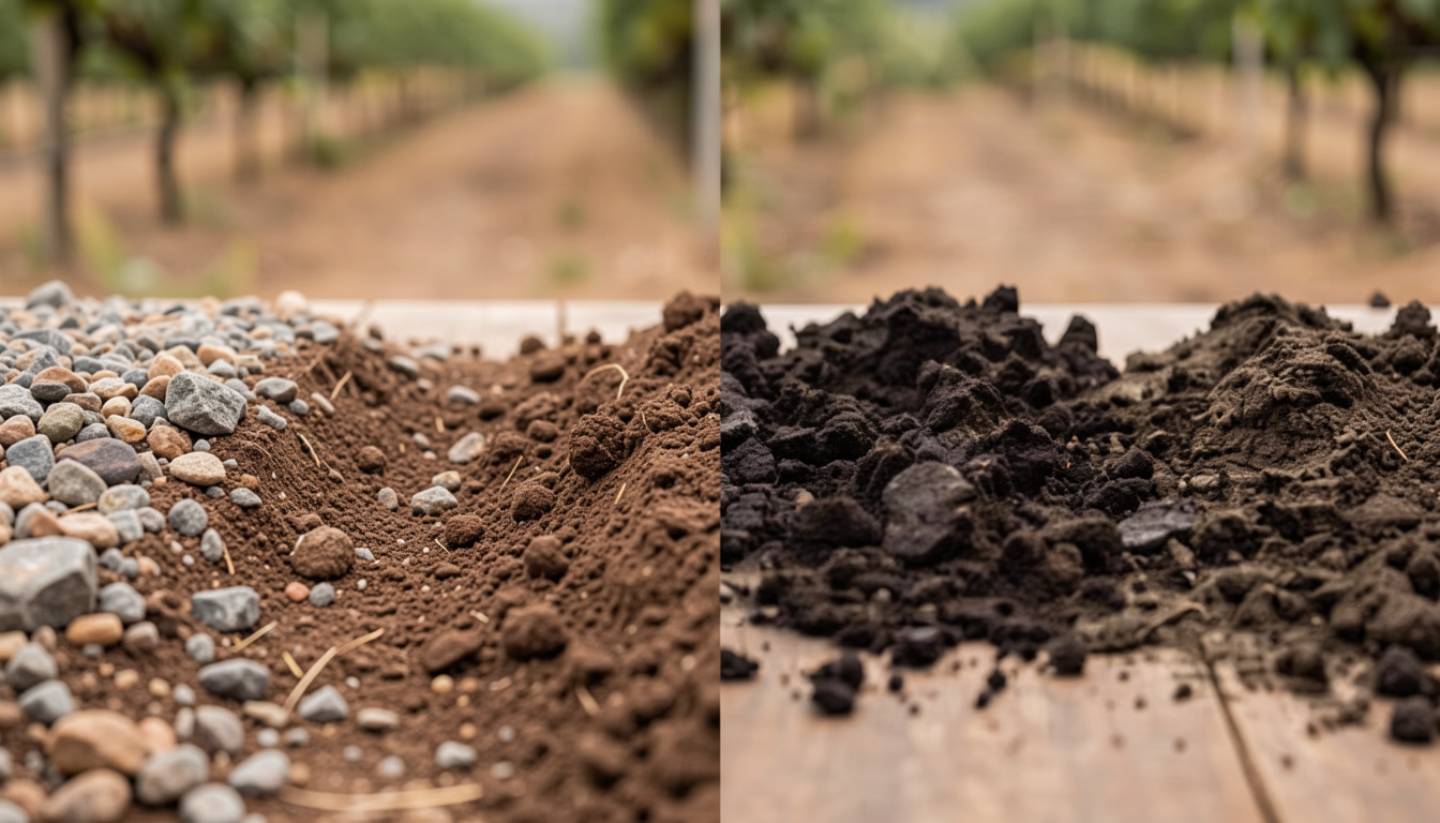
Cabernet from the Rutherford Bench, shaped by alluvial fans and fine gravel, carries a different texture than Cabernet grown on the fractured rock of Mount Veeder.
Climate Influence
Pinot Noir and Chardonnay thrive in the cooler southern reach of Los Carneros, where fog and wind from San Pablo Bay slow ripening and preserve acidity.
Structure vs Ripeness
Napa teaches restraint when it is allowed to. Balance comes from the land’s limits, not from pushing fruit to the edge.
This is how grapes stop being labels and start becoming places.
When It Is Best
The Slower, Truer Napa Midweek
Tuesday through Thursday is when hosts have time to teach and conversations go beyond surface notes.
Post-Harvest (November through February)
Often called Cabernet Season. The valley exhales, cellars are active, and winemakers are more reflective.
Spring (March through May)
Bud break and early growth make vineyard walks possible, connecting what is in the glass to what is happening in the field.
Where Grape Education Comes Alive
Rutherford and Oakville (Cabernet Sauvignon)
The heart of the valley floor along Highway 29. Rutherford brings savory depth and that locally known dusty grip, while Oakville leans toward polish, breadth, and mid-palate weight.
Coombsville (Cooler Cabernet and Syrah)
Just east of the City of Napa, this volcanic bowl holds cooler air longer into the afternoon, producing wines with tension, lift, and quieter power.
Los Carneros (Pinot Noir and Chardonnay)
Napa’s southern threshold. Constant wind, heavy morning fog, and clay soils produce wines driven by acidity and line rather than size.
Mountain AVAs (Structure and Ageability)
Mount Veeder on the west and Howell Mountain on the east show how elevation tightens tannins, shifts aromatics, and trades fruit-forward profiles for forest floor, mineral, and savory notes.
What Most Visitors Miss
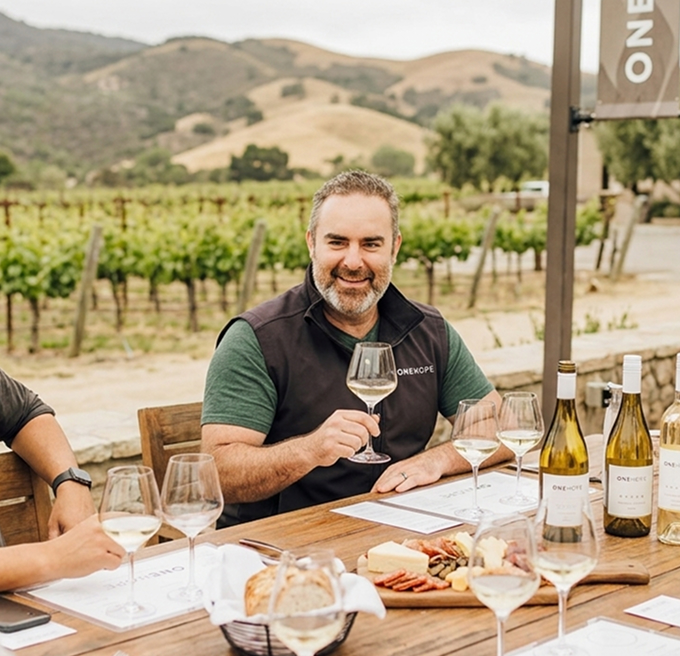
Most visitors taste horizontally, one winery after another. What they miss is vertical thinking. Tasting the same grape across three AVAs in one day teaches more about varietal character than six unrelated stops ever will. Napa rewards focus.
My Local Notes
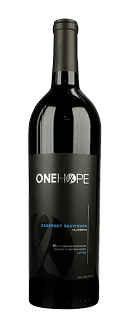
I did not learn grape varieties from charts or certifications. I learned them by driving the Silverado Trail at different hours of the day and tasting how the same grape behaves on opposite sides of the valley. When we were shaping Estate 8, varietal expression mattered more than trends. We paid attention to how Cabernet behaves when it is not pushed. ONEHOPE grew from that same belief. Wine should carry the story of the soil without raising its voice. I am admittedly biased. Estate 8 is my purpose-driven baby. But the bottles that stay open longest at my table are always the ones that explain where they came from without trying too hard.
A Gentle Varietal-Focused Itinerary
Day One: The Cabernet Baseline
Stay centered on the Rutherford Bench. Visit two estate-driven producers farming different soil types. Eat a long lunch to reset your palate.
Day Two: The Climate Shift
Head south toward Los Carneros. Taste Pinot Noir and Chardonnay side by side to feel how wind and fog change everything.
Day Three: The Elevation Contrast
Drive toward Howell Mountain or the base of Mt. St. Helena. Compare mountain structure against valley-floor wines you tasted earlier.

How to Learn Grapes Like a Local
Ask about vineyard aspect and exposure. East-facing and west-facing slopes ripen differently.
Listen for local language like Rutherford Dust or the lift of the morning fog. These are farming realities, not marketing phrases.
Hydrate between every pour. Sensitivity matters more than stamina.