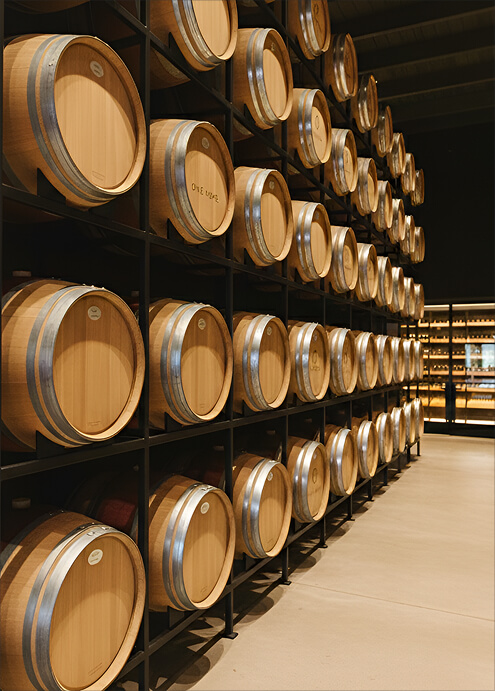
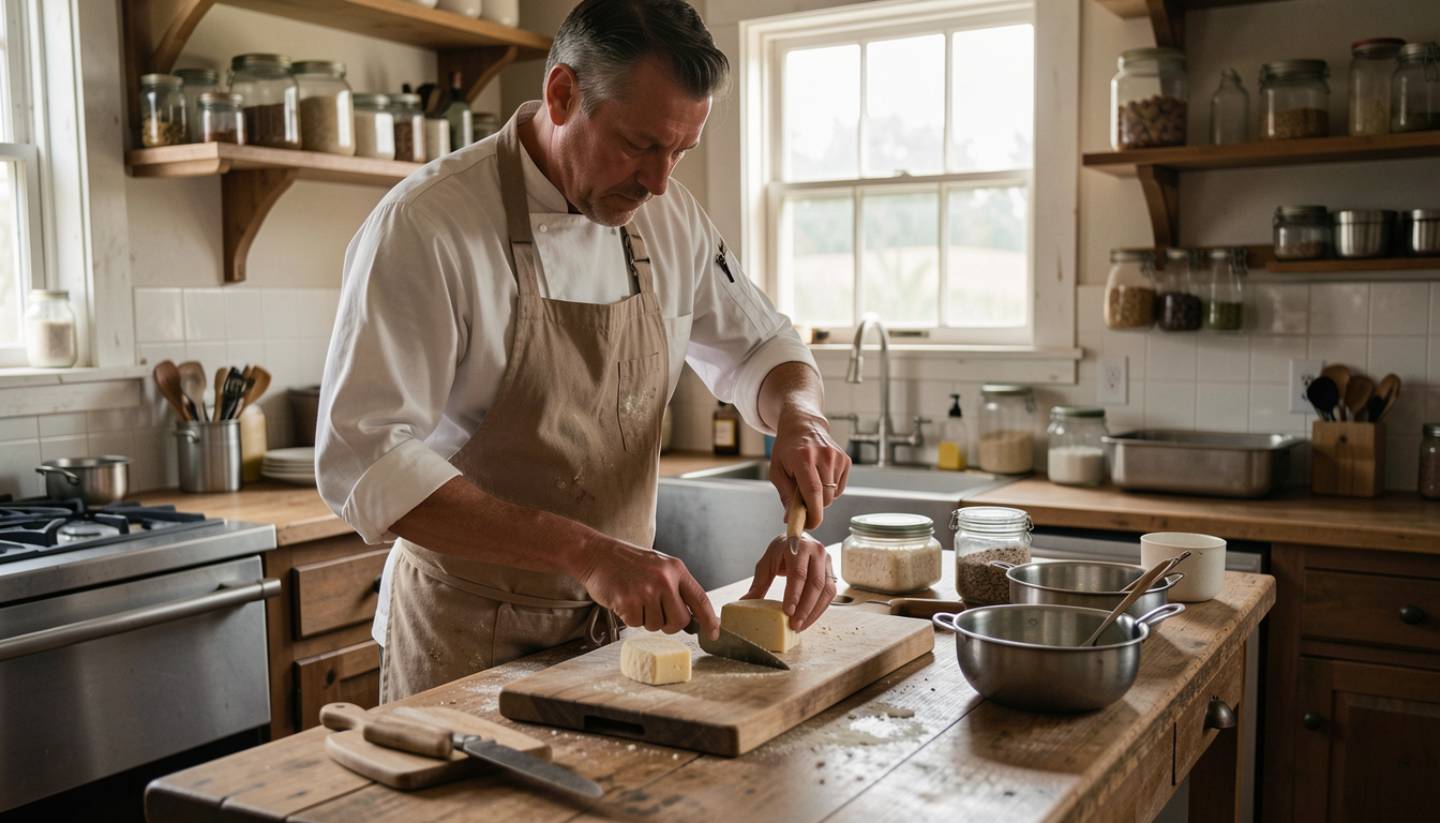
There is a version of Napa Valley that announces itself quietly. It lives in back kitchens, on early-morning prep tables, and in hands that know exactly how much to make and when to stop. For travelers who love small-batch producers, Napa is about intention. Cheese made in limited wheels because the milk says that is enough. Olive oil pressed once because the fruit was ready only that morning. Bread baked before the fog lifts because fermentation does not negotiate. This is Napa at human scale.
What This Experience Is Really About
Small-batch food in Napa is not a trend. It is a practical response to land, labor, and season.
- Finite inputs: Honey, milk, fruit, and grain are limited by weather and yield, not demand.
- Hands-on production: The person tending the orchard is often the one filling the jar.
- Hyper-local circulation: Many producers sell almost entirely to locals, chefs, and markets, which means the only way to taste it is to be here.
When you slow down, the valley reveals how much restraint shapes flavor.
When It Is Best
The slower midweek
Tuesday through Thursday is the truer Napa for food lovers. Makers have time to talk and explain why something looks the way it does.
Spring and summer
Stone fruit, fresh cheeses, garden-driven menus.
Harvest season
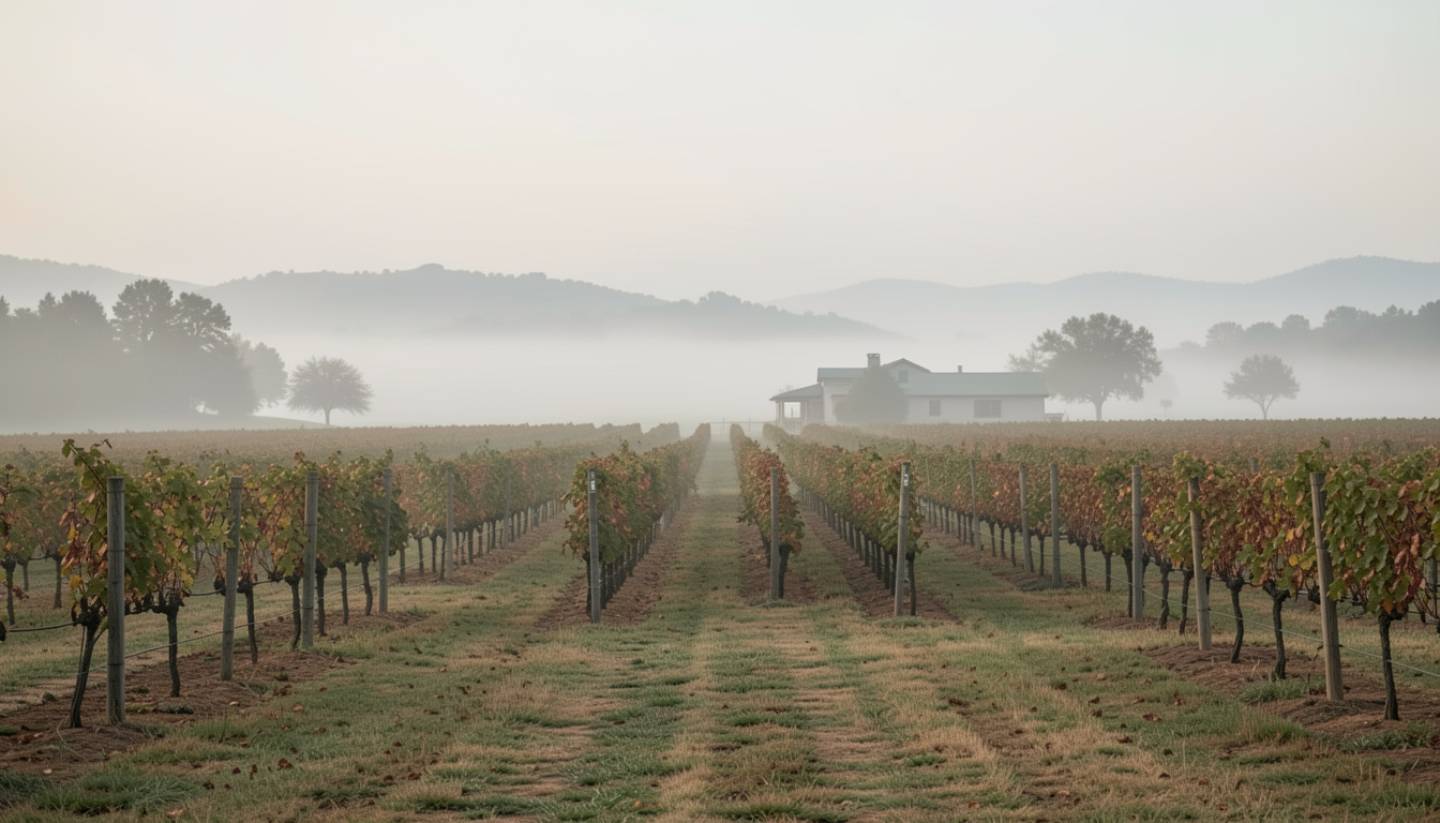
The air carries ferment and dust, but it is also when olive mills run and curing rooms fill.
Early mornings matter. Many of the best exchanges happen before nine.
Producers and Places Worth Seeking Out
These are working places, not showrooms.
- Oxbow Public Market – A daily snapshot of Napa’s small-batch economy, from cheese to charcuterie.
- Model Bakery – Famous for English muffins, but the soul lives in the slow-fermented doughs pulled early every morning.
- The Charter Oak – A restaurant built around producers, not trends.
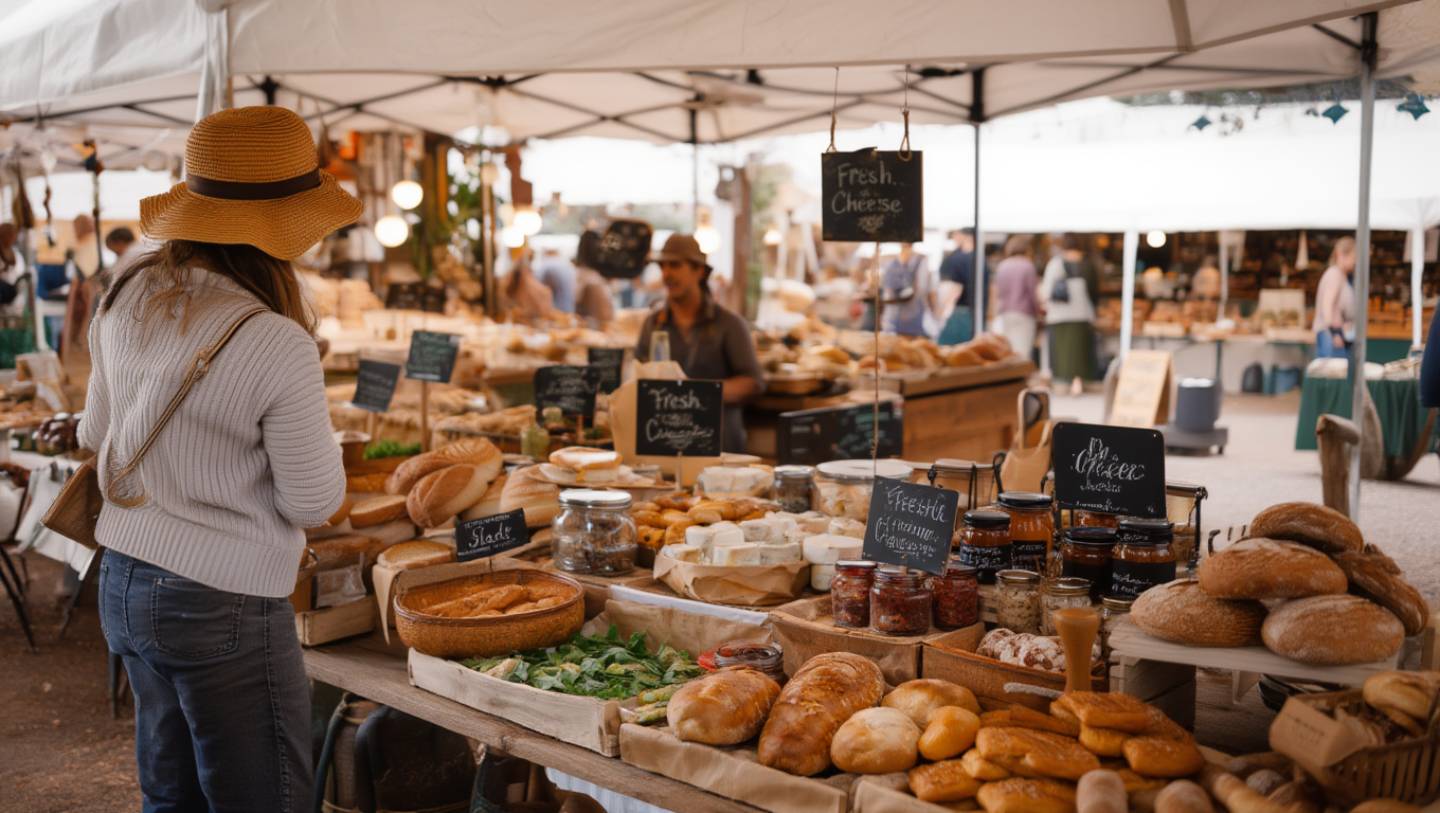
- Napa Farmers Market – Where the rarest seasonal batches appear first and sometimes only.
What Most Visitors Miss
Many travelers treat small-batch shops like gift boutiques. What they miss is the process. Ask why something is only available today. Ask what the weather did to the crop. In Napa, producers are defined as much by what they choose not to make as by what they do.
My Local Notes
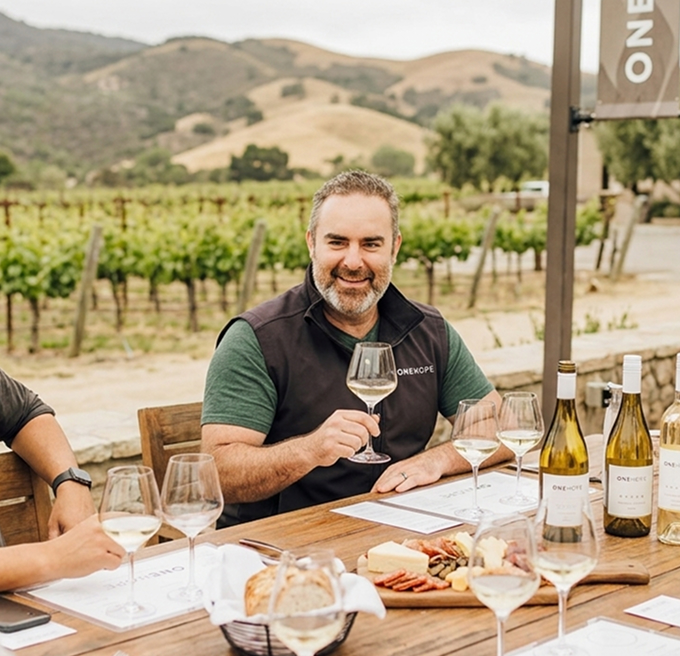
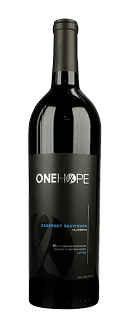
Some of my most meaningful Napa conversations have happened standing next to a prep table, not a tasting bar. When we were shaping Estate 8, we spent as much time with small food producers as we did with architects, thinking about scale, rhythm, and how people actually gather. ONEHOPE grew from that same instinct: that wine and food connect us to responsibility as much as pleasure. I’m admittedly biased—Estate 8 is my purpose-driven baby—but living here has taught me that restraint often creates more meaning than expansion ever could.
A Gentle Small-Batch Itinerary
Day One
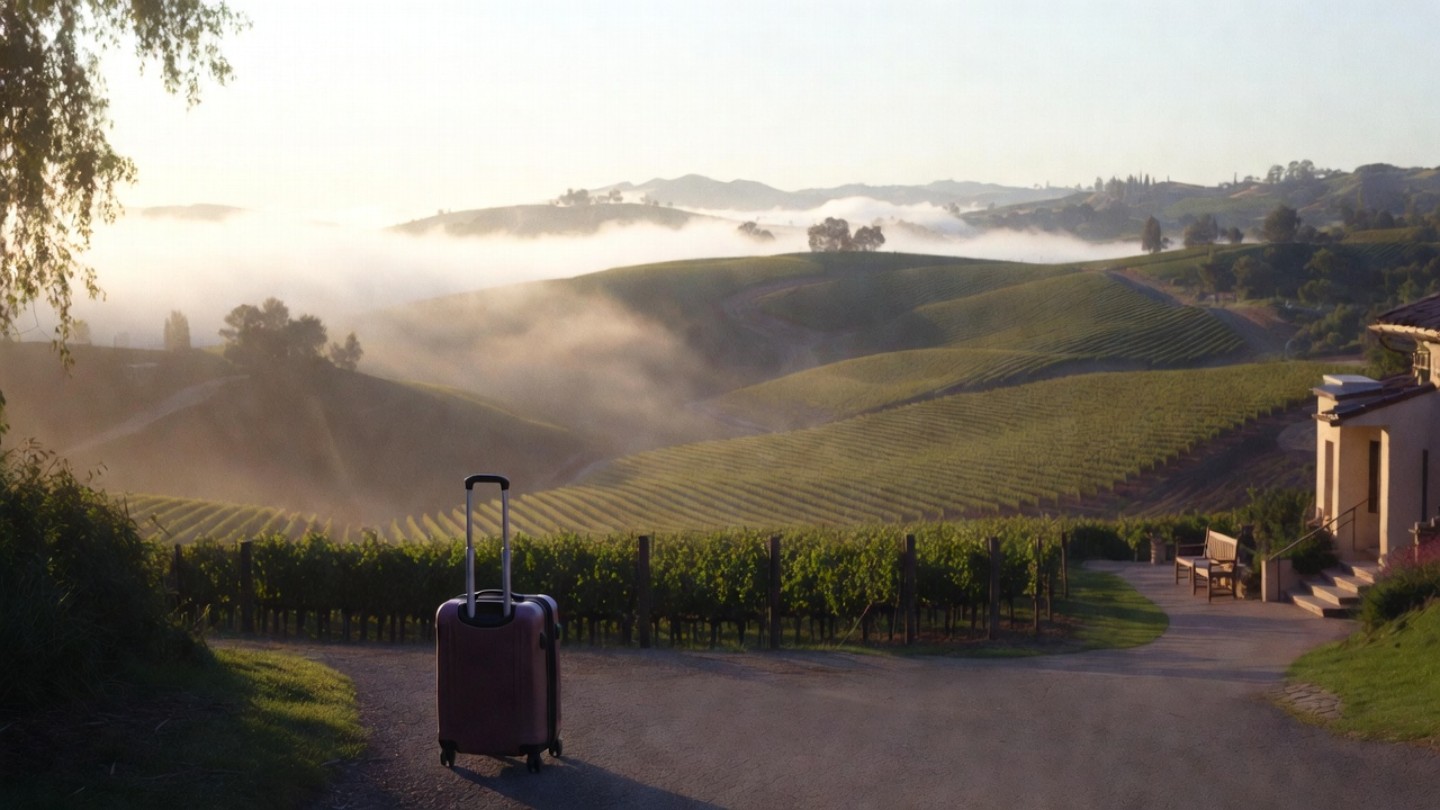
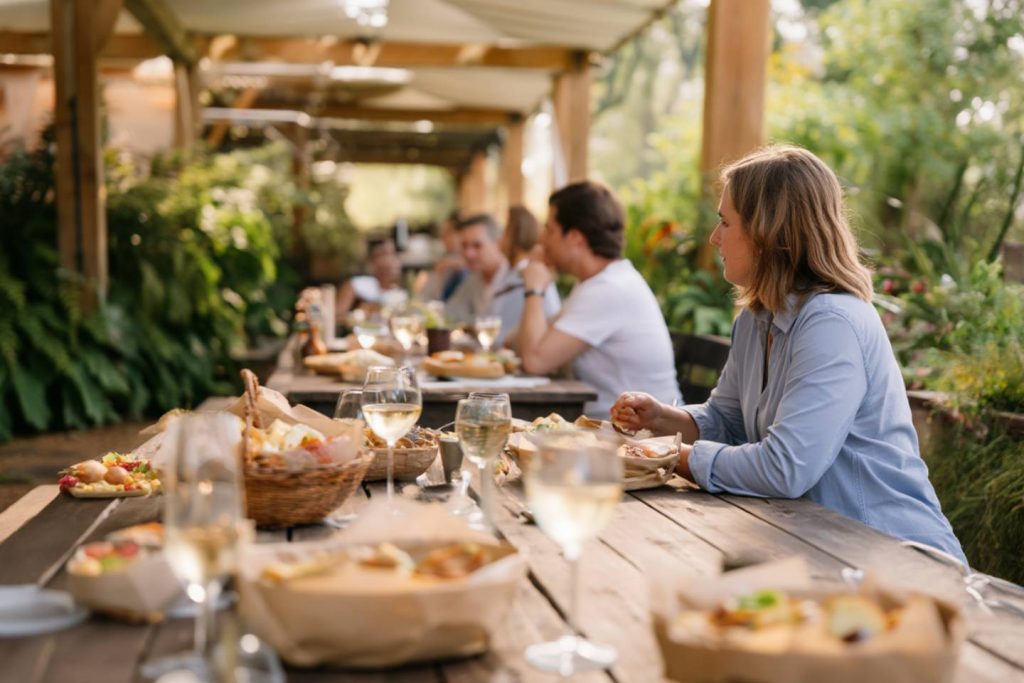
Arrive and walk Downtown Napa. Spend the afternoon at Oxbow. Buy lunch from one counter, bread from another, and eat outside as the day cools.
Day Two
Morning at the farmers market. Talk more than you buy. Afternoon at a single estate that farms what it serves. Dinner somewhere that names the farm on the menu.
Day Three
Early bakery stop in St. Helena. Repeat your favorite place from earlier in the trip. Familiarity is how you know you chose well.
How to Experience Small-Batch Food Like a Local
- Buy less and ask better questions.
- Accept the sold-out sign as a good sign.
Watch what chefs carry away from the market and follow quietly.