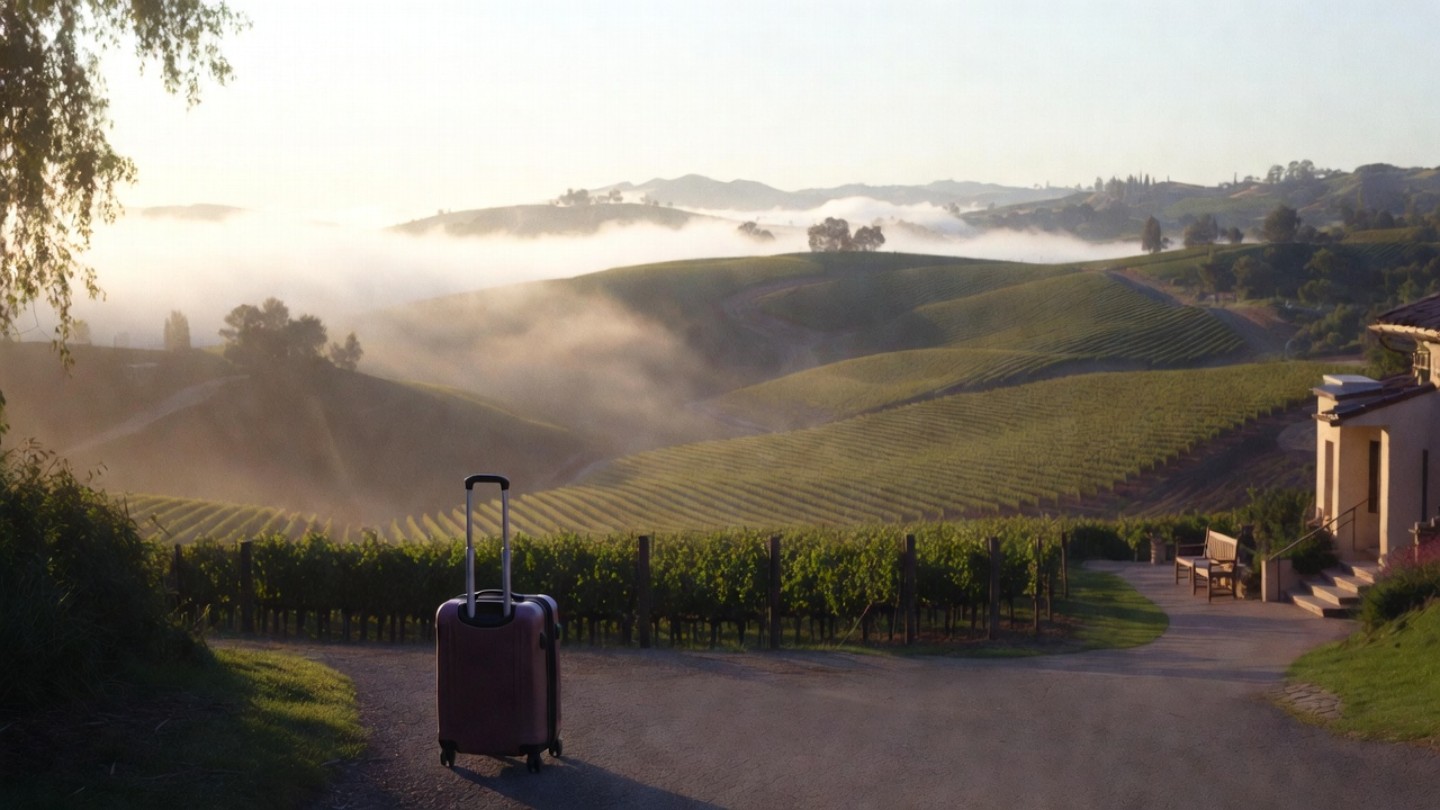
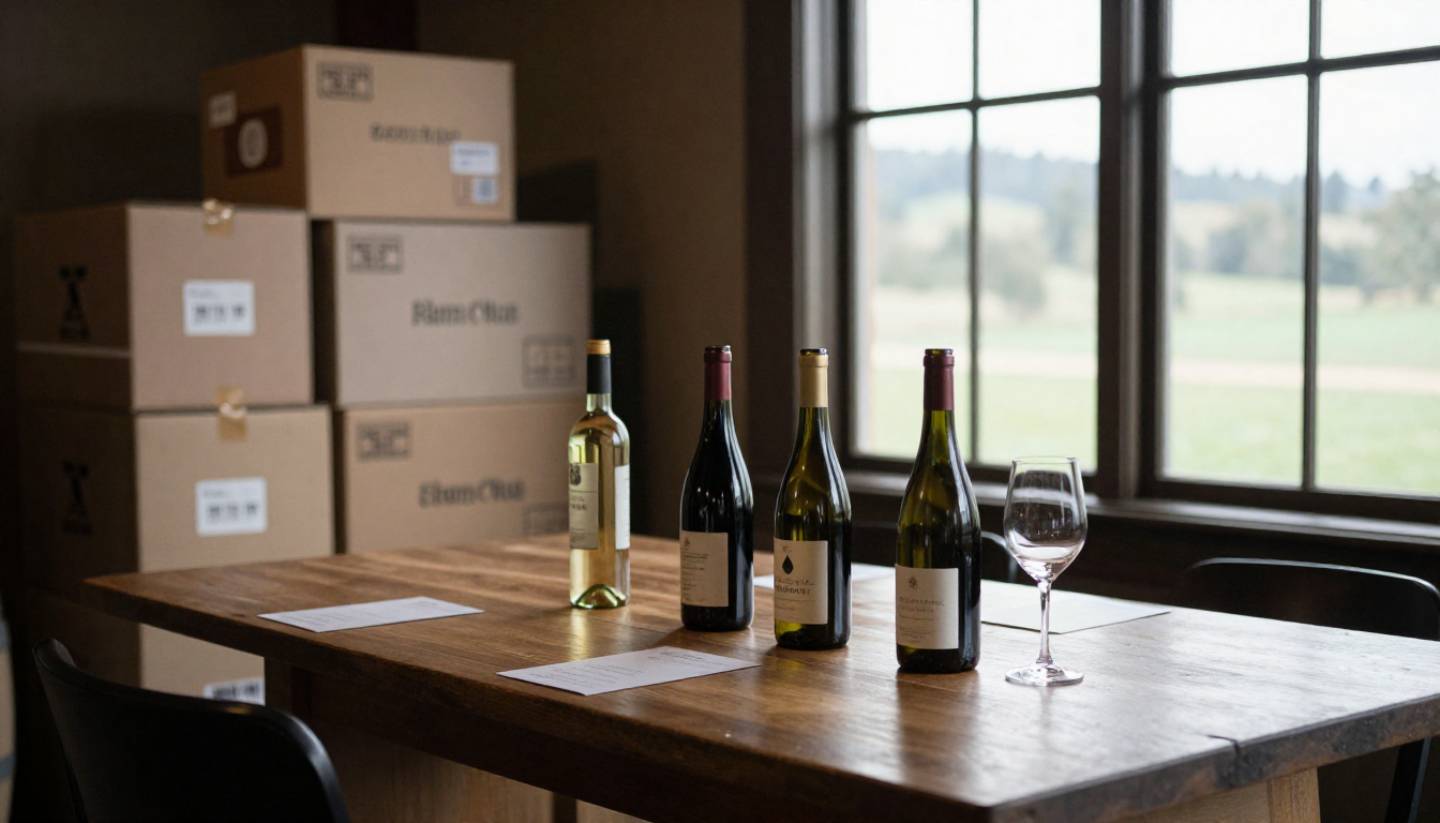
At some point in every Napa trip, a quiet question appears. You are holding a bottle of Rutherford Bench Cabernet you did not plan to buy. Maybe a case. You glance at your carry-on, then back at the wine, and realize the trip is no longer just about tasting. It is about the journey home.
Wine shipping and storage are not glamorous topics, but they matter. They are acts of respect for the fog lines, the valley light, and the years of patience that shaped the wine in your hands. Understanding how this works turns hesitation into confidence and lets you travel lighter, smarter, and without regret.
What This Experience Is Really About
Learning about shipping and storage gives you freedom.
You stop buying based on luggage limits and start buying based on curiosity. You understand which wines want time and which are ready now. You move from collecting bottles to curating memories that will open well years from today.
This knowledge helps you:
- protect wine from heat damage and travel shock
- plan purchases across multiple tastings
- understand aging potential and timing
- build a small, thoughtful library at home
- travel without anxiety at the end of the trip
Once you understand the system, Napa becomes easier.
When It Matters Most
Shipping and storage questions come up most often at a few key moments.
- During reserve or library tastings when wines are older or more delicate
- In summer when valley floor temperatures climb quickly
- On multi day trips when bottles add up faster than expected
- For collectors thinking beyond immediate drinking
These are the moments when asking the right questions makes all the difference.
What Most Visitors Miss
Many visitors assume shipping is expensive or complicated. In reality, Napa has made this seamless.
What people miss is that how wine is shipped matters more than whether it is shipped. Heat is the enemy. A wine that gets cooked on a loading dock never recovers, no matter how good it was to begin with.
Another overlooked detail is home storage. Buying age worthy wine without a plan for where it will live is like buying a book you never intend to read.
My Local Notes
I still remember the first bottle that taught me this lesson. It arrived tired and flat, not because the wine was wrong, but because the journey was. That moment changed how I think about the responsibility that comes with buying wine meant to age.
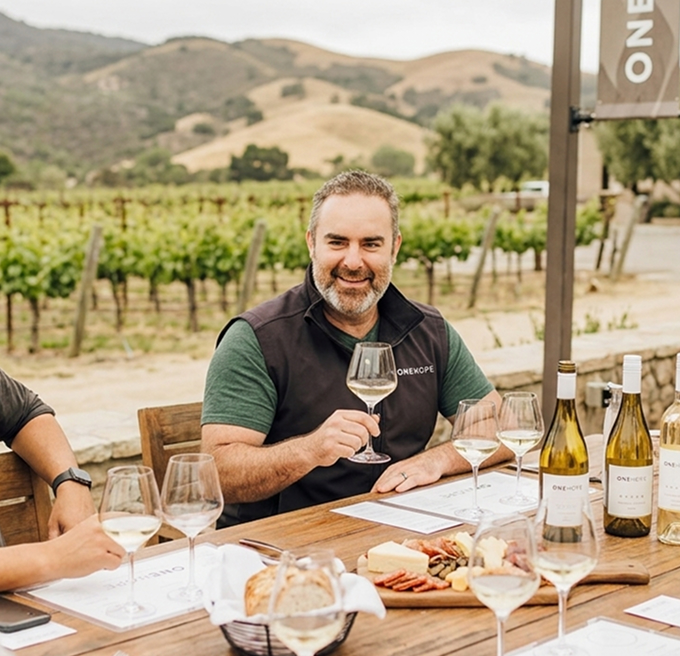
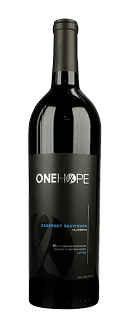
It is one reason we are careful about shipping and storage conversations at ONEHOPE and Estate 8. Those wines are my baby. The experience does not end when you leave the tasting room. It ends when the bottle is resting safely where it belongs.
How Wine Shipping Works in Napa
Most reputable wineries follow a similar approach.
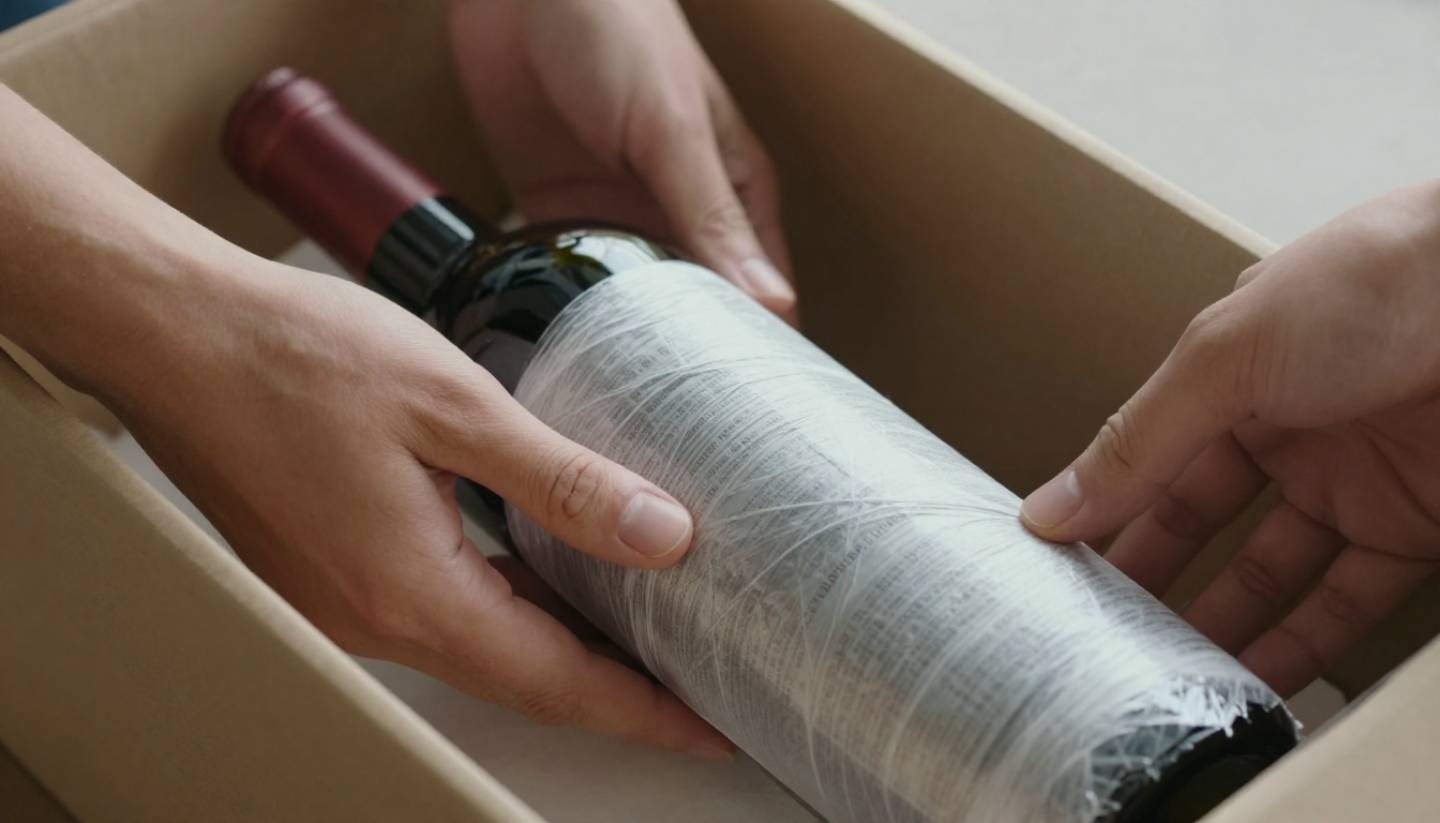
- Wines are packed by trained shipping partners
- Shipments are timed to avoid extreme heat or cold
- Temperature controlled options are available when needed
- State and international compliance is handled for you
If conditions are not right, a good winery will recommend holding your shipment rather than rushing it.
Understanding Storage at Home
You do not need a cave carved into the Mayacamas to store wine well, but you do need consistency.
Ideal conditions include:
- temperatures between fifty five and sixty degrees
- darkness or very low light
- minimal vibration
- bottles stored on their side to keep corks healthy
For most people, a dedicated wine fridge is the simplest and safest solution.

Which Wines Need the Most Care
Not every wine needs long term storage.
- Everyday wines are usually best enjoyed within a few years
- Reserve and single vineyard wines benefit from stable aging conditions
- Older library bottles should be handled gently and opened thoughtfully
A good host will tell you which category a wine falls into. Ask. It is a sign of care, not hesitation.
Planning Your Trip With Shipping in Mind
If you know you plan to buy wine:
- Ask about shipping early in the tasting
- Pace purchases across your trip
- Keep a simple list of what you bought and why
- Consolidate shipments when possible
This turns your trip into a considered collection instead of a last day scramble.
Small Histories
Before modern logistics, wine rarely traveled far. It was consumed close to where it was made. Napa’s rise as a global region required learning how to move wine safely across distance and time.
Today’s systems exist because these wines are worth waiting for.