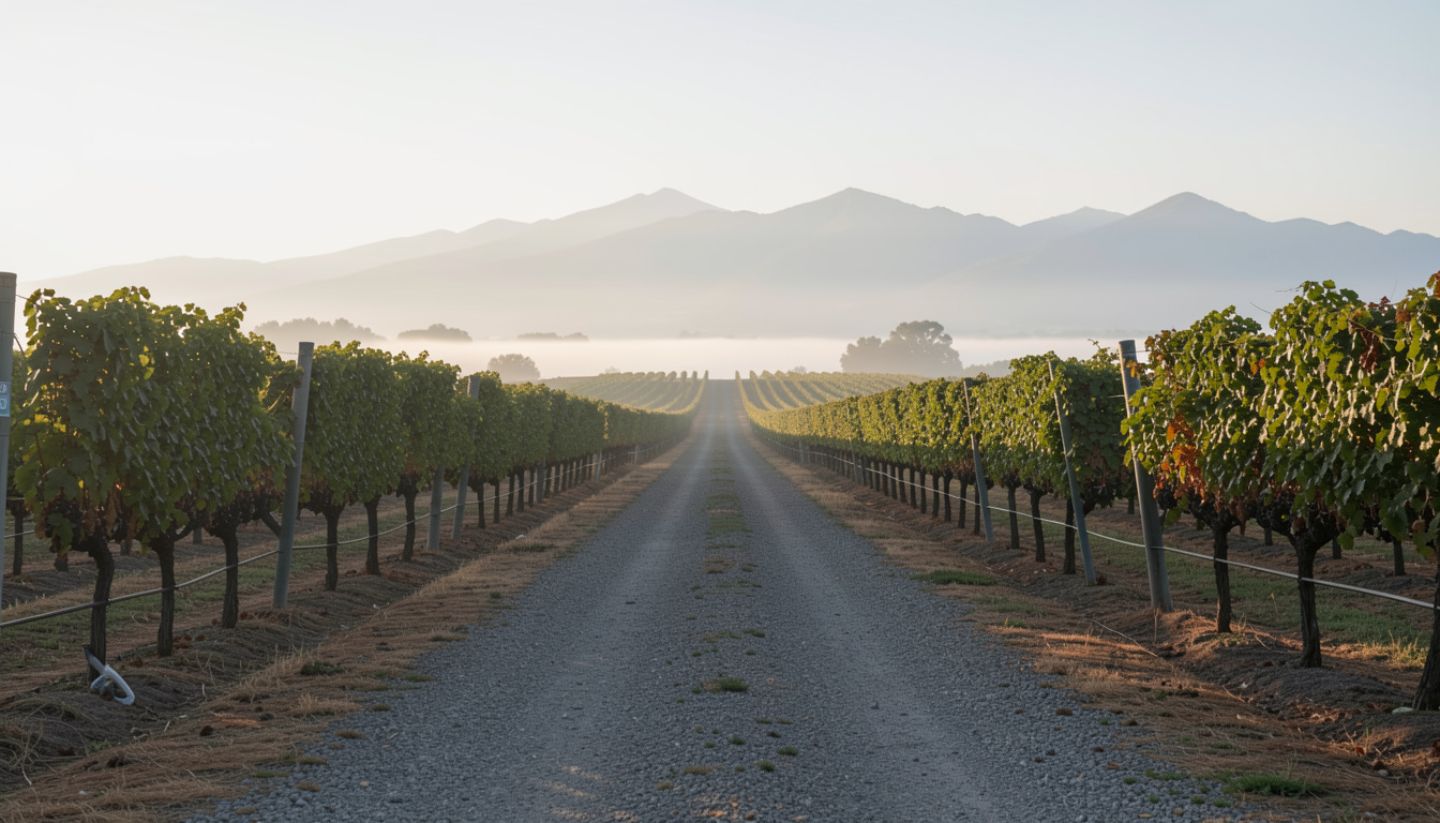
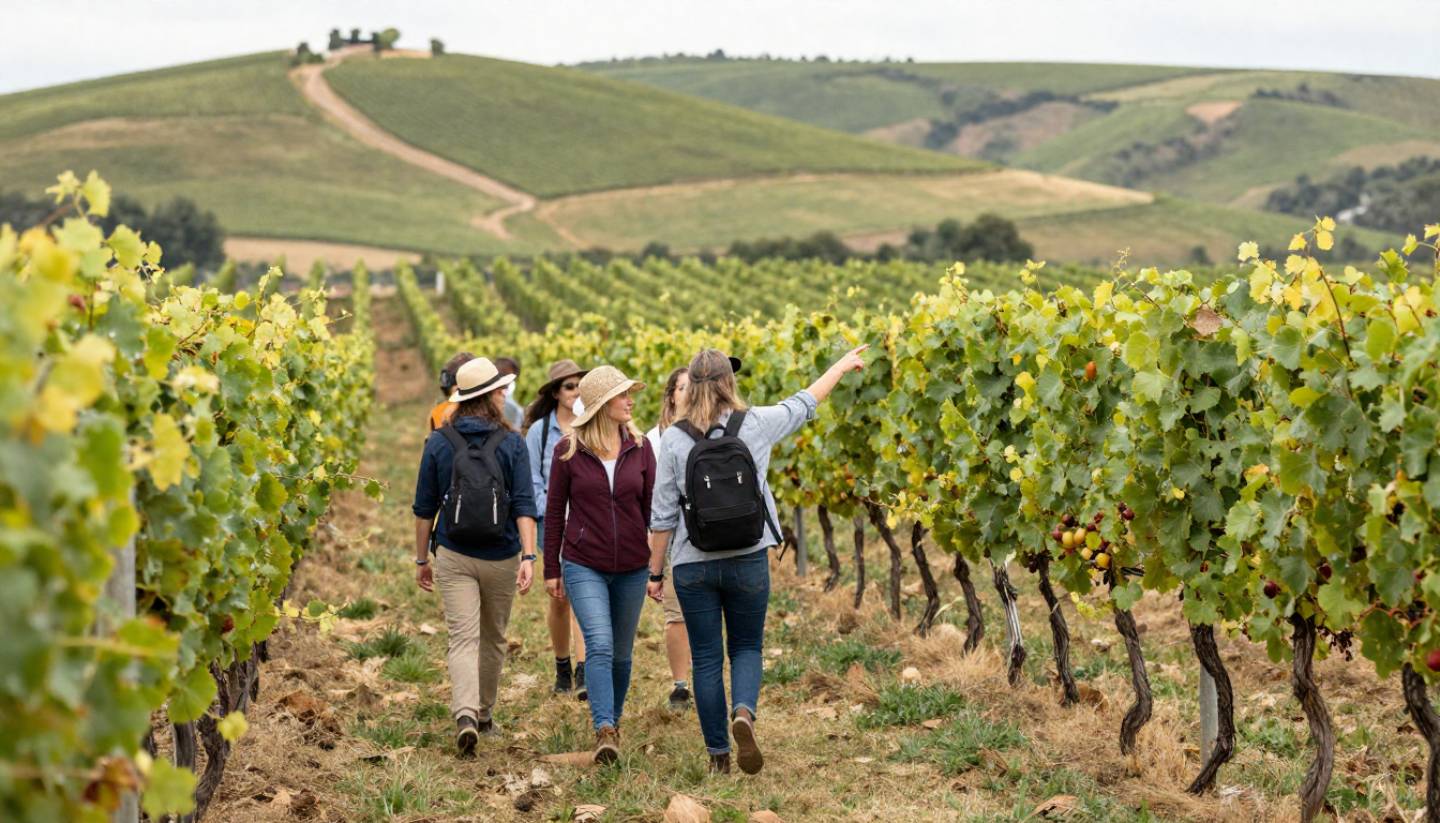
There is a version of Napa Valley you only understand when you slow down enough to walk it. When your pace matches the rows. When gravel crunches underfoot and the scent of damp earth replaces the sound of engines. On foot, the valley changes scale. Distances feel honest. Details start to matter.
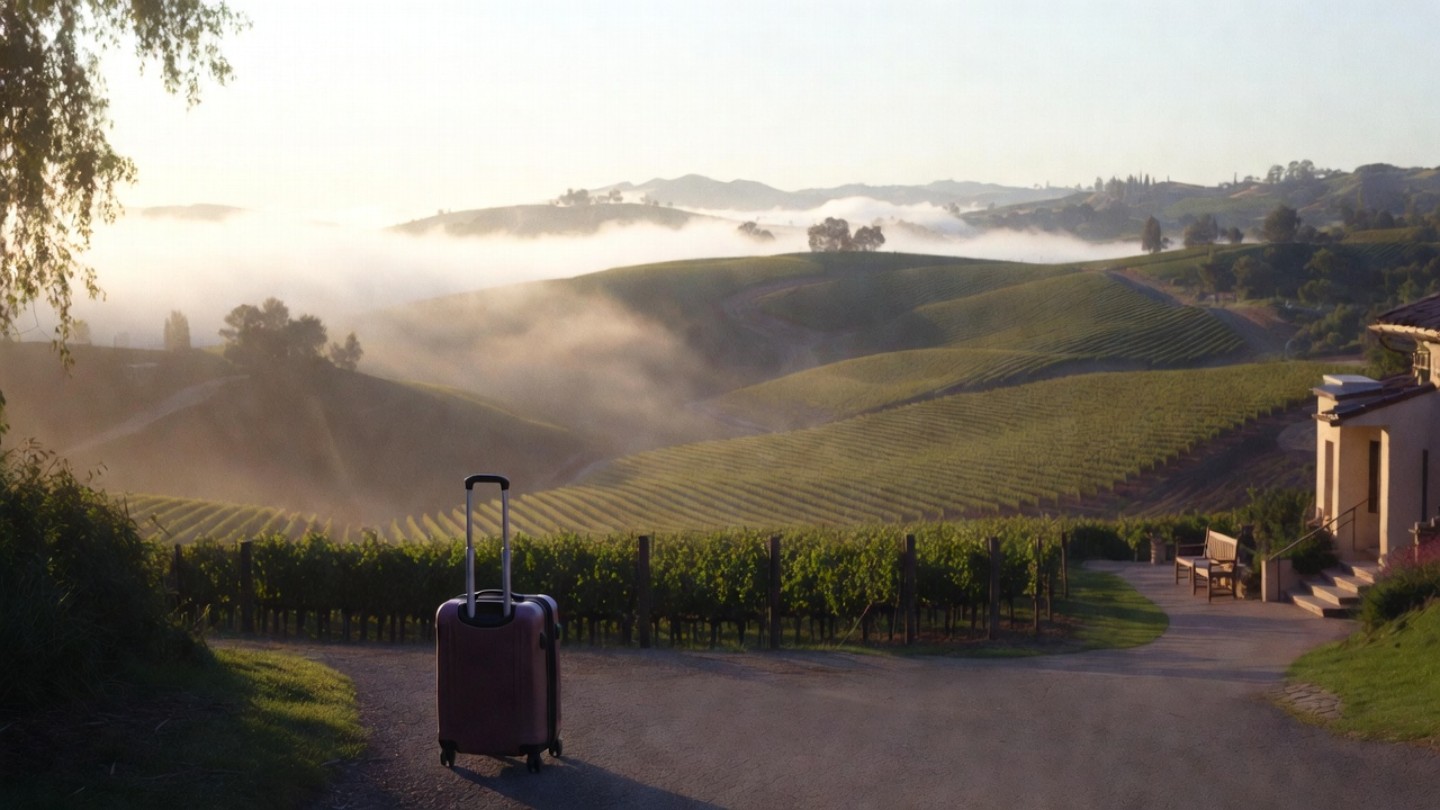
Walking vineyards turns Napa from a place you pass through into a place you move with. You notice how morning fog lingers along the Mayacamas, how rows bend to follow the sun instead of the road, and how the quiet discipline of vines trained year after year shapes everything that ends up in the glass.
What This Experience Is Really About
Walking a vineyard is about understanding Napa at its most agricultural.
When you walk a site, you feel the grade under your feet and see how water drains after rain. You notice how one block struggles while another thrives. Wine stops being abstract and starts making sense.
Vineyard walks reveal:
- The grade
Subtle slopes toward the Silverado Trail that change drainage and vine stress. - Orientation
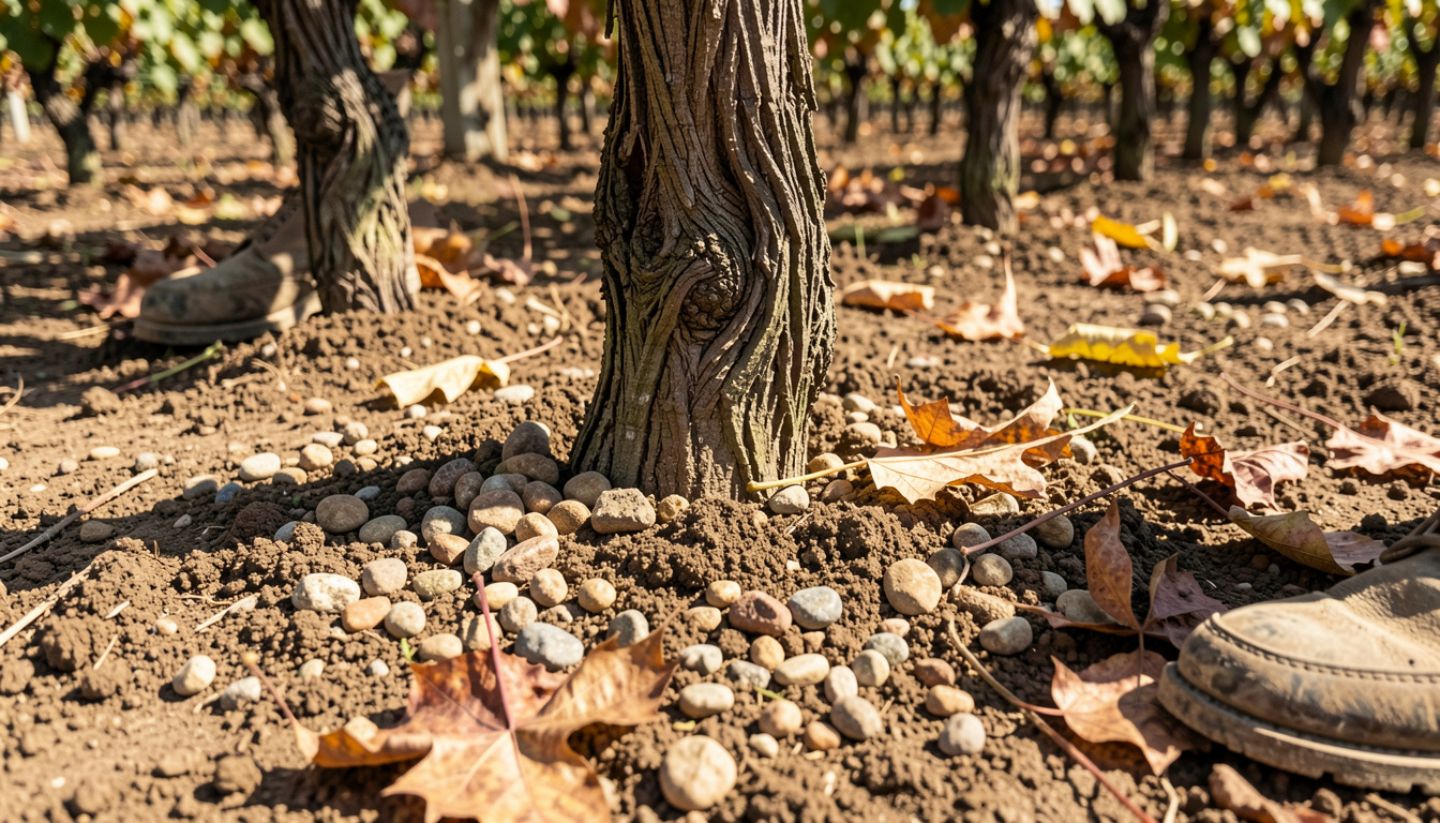
Rows that follow light and airflow rather than property lines. - Soil character
Especially in the Rutherford benchlands, where gravelly soils help shape the fine, cocoa-like tannins often called Rutherford Dust.
This is learning that happens before tasting, not after.
When It Is Best
Vineyard walking follows the seasons.
- Spring
Bud break, bright green growth, and cool mornings make for the most vivid walks. - Post-harvest fall
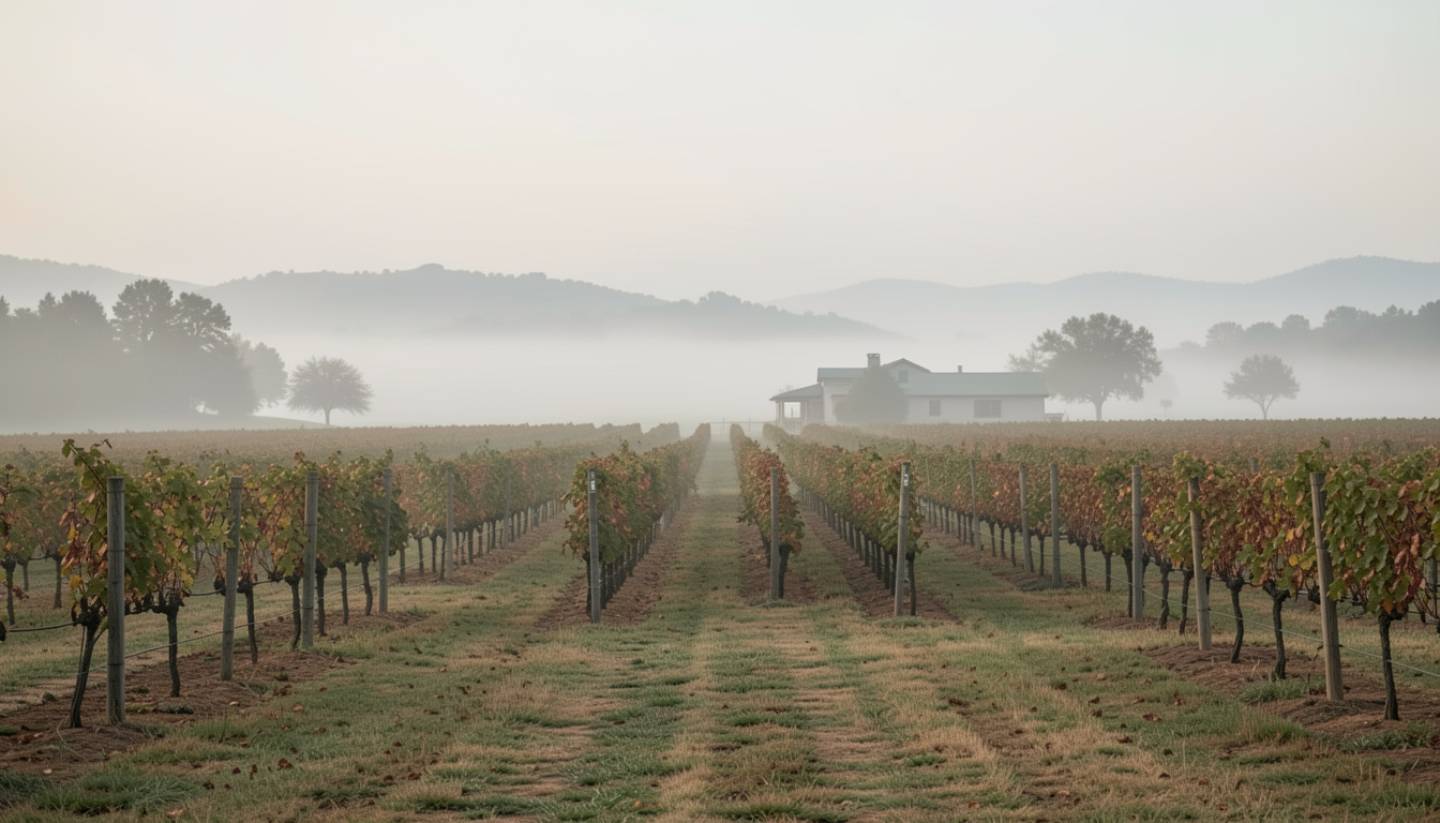
After the rush of October, the valley exhales. Rows open up, colors soften, and hosts have time to linger. - Midweek
Tuesdays and Wednesdays bring the truer Napa, when walking the rows is not rushed by the next appointment.
Early morning and late afternoon are ideal. Midday heat can flatten the experience, especially in summer.
What Most Visitors Miss
Most visitors see vineyards from a car window or a tasting patio. They miss the micro-details that explain everything.
Walking shows you:
- how fog settles differently on a hillside block versus the valley floor
- where cold air drains and where it lingers
- the human hand in pruning, canopy management, and spacing
These details tell the story of the wine long before the first sip.
My Local Notes
Some of my clearest Napa memories come from walking rows at sunset, when the Cabernet light drops just enough to cool the air. There are moments when conversation stops entirely because the land is doing the talking. Those walks taught me more than any tasting flight ever could.
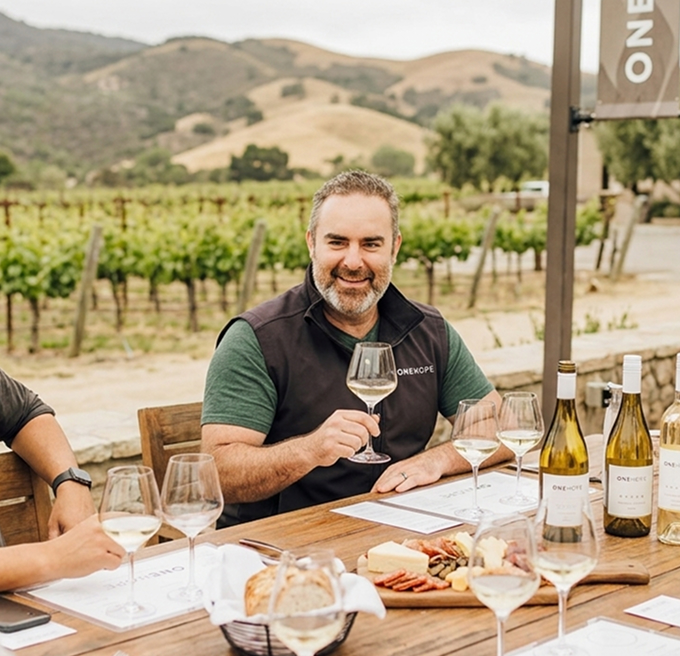
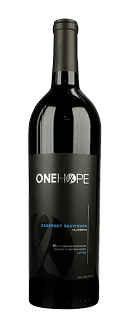
I will admit a small bias here. When we shaped Estate 8 and ONEHOPE, vineyard access was non-negotiable for me. It is my baby. I wanted people to feel the land, especially the front blocks that face the Mayacamas, before they ever sat down with a glass. Walking the site changes how you drink from it.
Where Vineyard Walking Works Best
Not every part of Napa is walkable, but some areas lend themselves beautifully to being explored on foot.
- Rutherford benchlands
Flat, historic blocks with open sightlines and classic soils. - Yountville and Oakville edges
Short distances between estates and calmer traffic patterns. - St. Helena outskirts
Where vineyards meet residential lanes and walking feels natural.
Always walk with permission or as part of a guided experience. Vineyards are working farms.
How to Plan a Vineyard Walking Day
Keep it light and focused.
- Choose one estate that offers a vineyard walk
- Pair it with a seated tasting
- Plan one long lunch nearby
- Skip stacking appointments
A proper vineyard walk and tasting usually takes ninety to one hundred twenty minutes. Let it breathe.
What to Wear
Comfort matters more than appearance.
- Closed-toe shoes with good grip
- Light layers for fog and cellar transitions
- Hat and sunscreen for open blocks
- Water, even on cool days
Leave heavy bags behind. You want your hands free.
Where to Stay if You Love Walking
Travelers who enjoy vineyard walks often prefer:
- boutique inns near vineyards
- town centers where morning walks start easily
- places that encourage early starts and slow returns
If you can step outside and walk without getting in a car, you chose well.
Small Histories
Before tasting rooms existed, vineyards were how Napa was experienced. Wine was walked, worked, and carried before it was poured. Rows were measured by footsteps, not acres.
Walking vineyards reconnects you to that lineage. It reminds you that wine begins as land, not language.