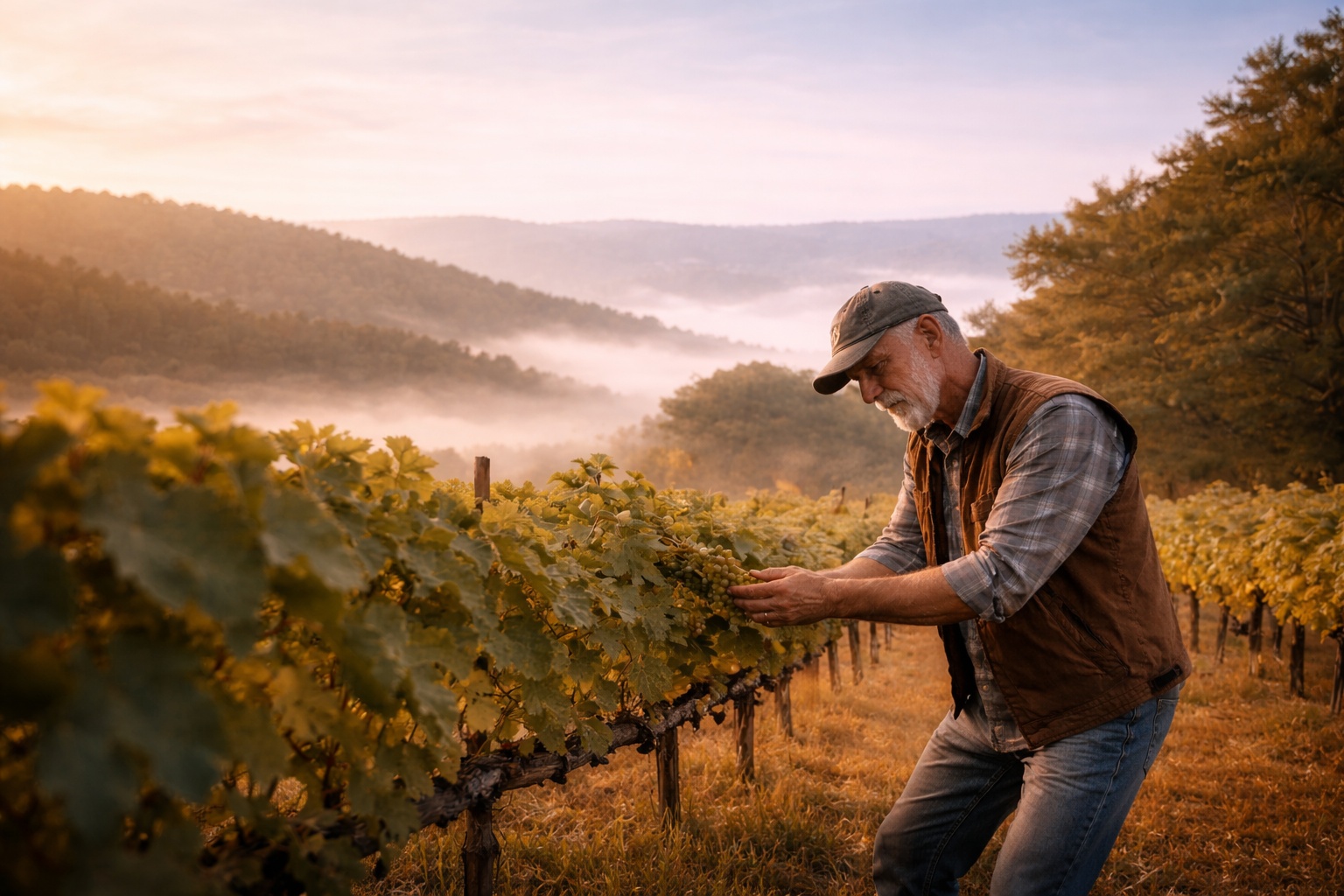
There is a version of Napa Valley that does not introduce itself with tasting notes or vineyard views. It introduces itself through people. Farmers who know exactly when to wait and when to act. Growers who read fog, wind, and soil the way others read forecasts.
If you love farmer stories, Napa feels less like a destination and more like a living archive. Every row, every block, every market stand carries a voice behind it. In most cases, that voice is still out there working the land.
What This Experience Is Really About
This experience is about continuity, not celebrity.
In Napa, farming is a long conversation with the land that spans generations. You hear it in how growers talk about:
Legacy parcels
Many families farm the same blocks their parents and grandparents did.
Decade-scale thinking
Seasons are measured in patterns and memory, not just vintages.
Unlabeled history
The most important stories involve frost nights, water tables, and decisions made quietly before anyone is watching.
Listening matters more than tasting. The right question often opens the door.
When It Is Best
The slower midweek
Tuesday through Thursday is when schedules loosen and conversations have room to breathe.
Pruning season, January through March
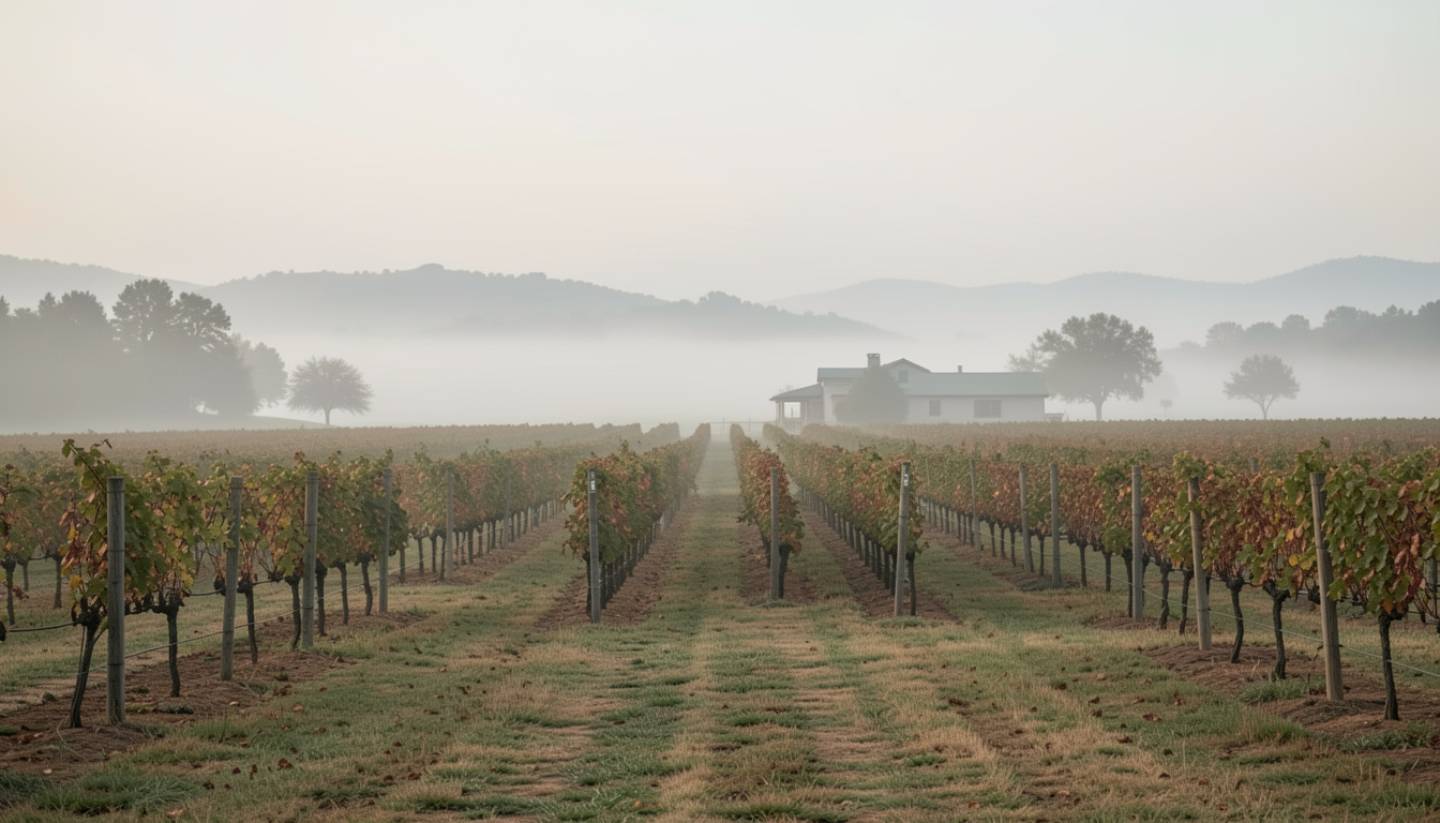
The vines are bare. The structure of the vineyard is visible. Farmers are reflective and present.
Post-harvest, November and December
Crush is over. The valley exhales. Stories surface once the urgency fades.
Where Grower Stories Live
Farmers markets
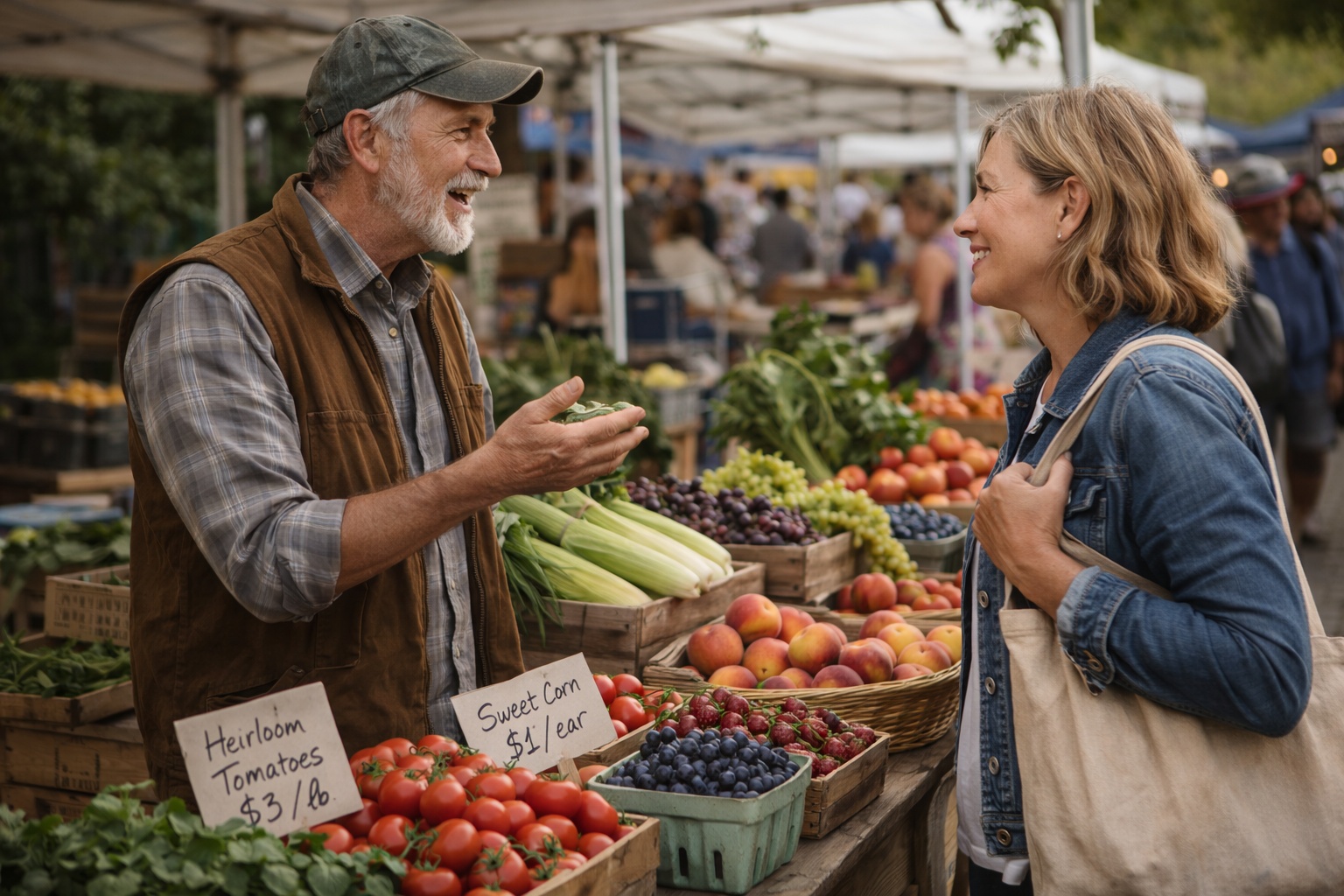
The St. Helena Farmers Market and Napa Farmers Market function as informal town squares. Ask what struggled. Ask what surprised them.
Silverado Trail roadside stands
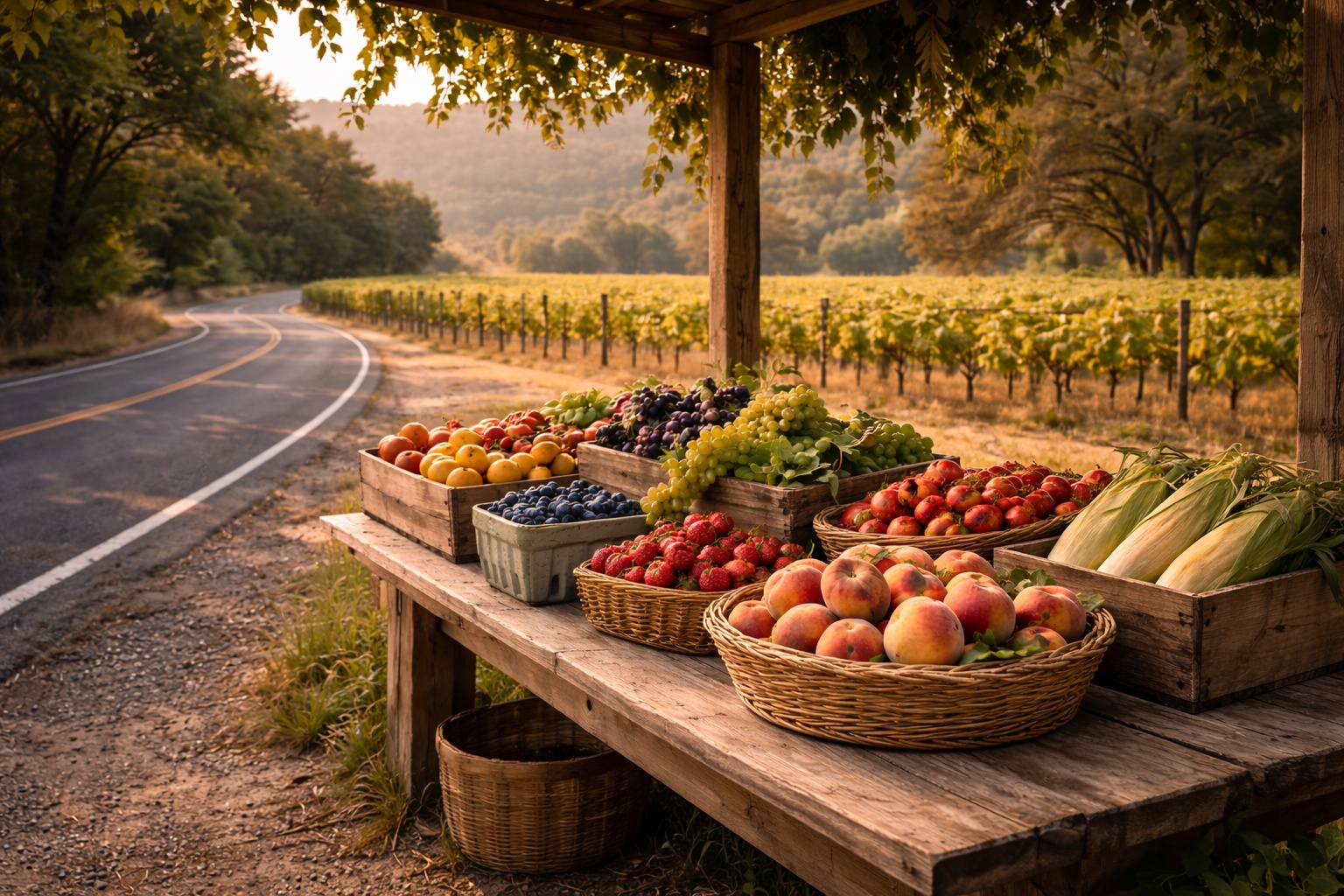
Between Zinfandel Lane and Deer Park Road, unmarked tables often hold the best fruit and the best conversations.
Small family estates
Tucked off Highway 29 in Rutherford and Oakville, these are places where hands are still dirty by noon and stories are still shared face to face.
What Most Visitors Miss
Most visitors focus on the finished bottle.
What they miss is the process. Why one block ripens later than the next. How a single frost night reshapes an entire year. Why restraint matters more than control.
Farmers talk about patience because Napa teaches it the hard way.
My Local Notes
Some of the conversations that shaped me most in Napa happened standing on gravel, not in tasting rooms. Talking about water, frost, and timing. Listening to people who had already seen cycles repeat for forty years.
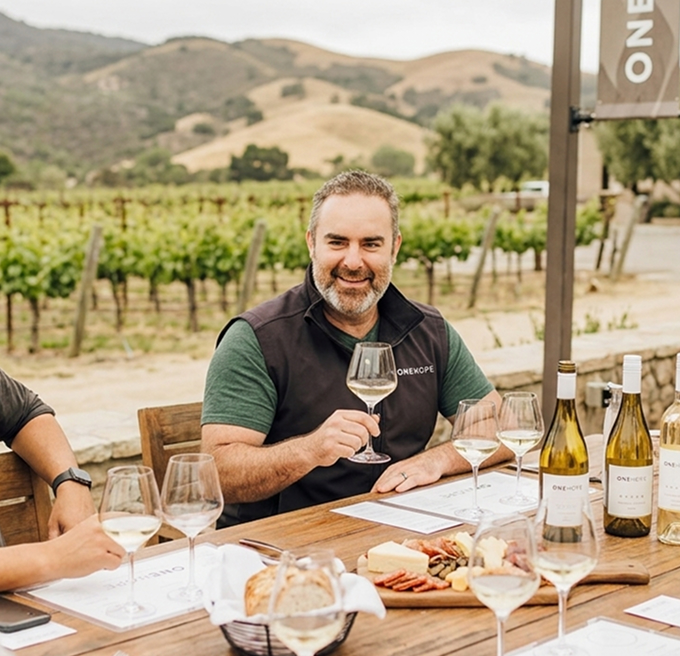
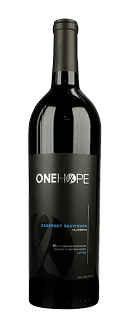
When we built Estate 8, those voices guided everything. How the land should be treated. When not to intervene. ONEHOPE grew from that same respect for growers and community. I am admittedly biased. Estate 8 is my purpose-driven baby. But the stories I return to are always rooted in hands and seasons, not accolades.
A Gentle Grower-Focused Itinerary
Day One
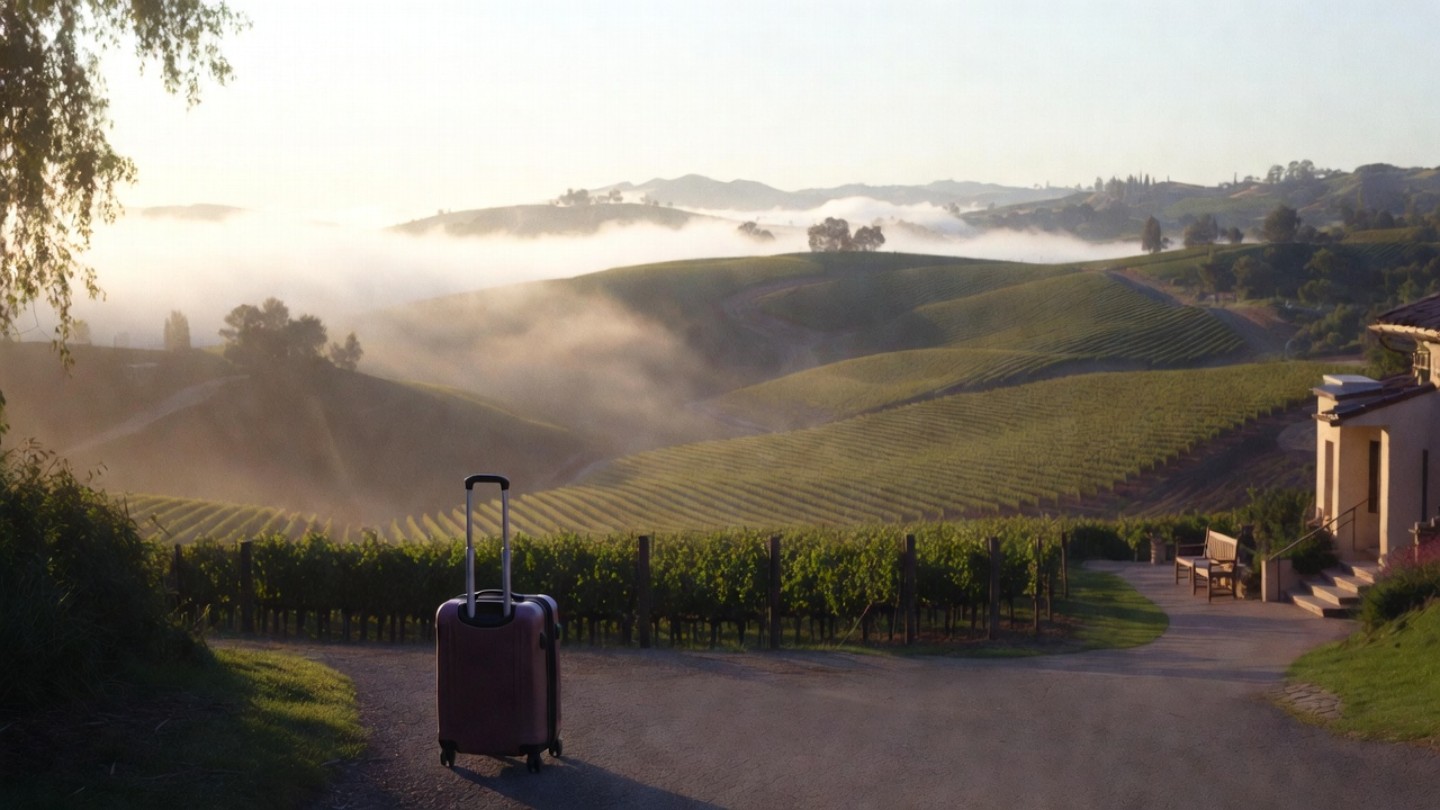
Arrive mid afternoon. Stop at a roadside stand along the Silverado Trail. Buy what is in season and cook simply.
Day Two
Visit one small, grower-led estate in the Rutherford Benchlands. Spend the afternoon walking sections of the Napa Valley Vine Trail to notice soil changes and exposure.
Day Three
Coffee at Model Bakery followed by a morning at the Napa Farmers Market. Leave with produce, not souvenirs.
A Gentle Grower-Focused Itinerary
Choose places that cook close to the source and say little about it.
- Charter Oak for live-fire cooking and seasonal vegetables
- Farmstead at Long Meadow Ranch for full-circle farming in practice
- Brix for menus shaped directly by the garden
Food tastes different when you know where it came from.