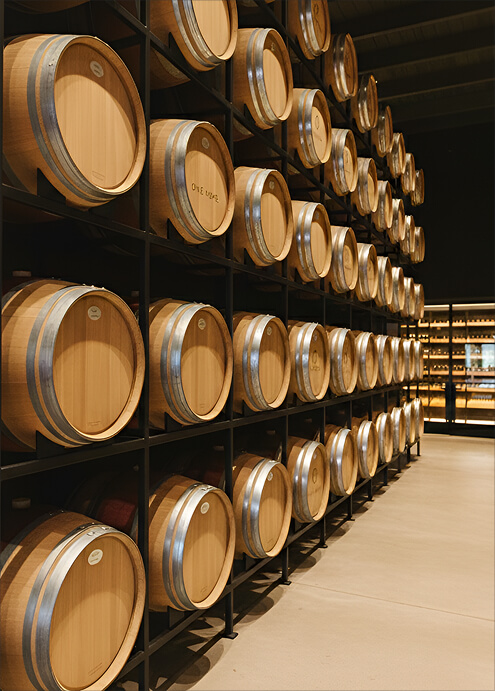
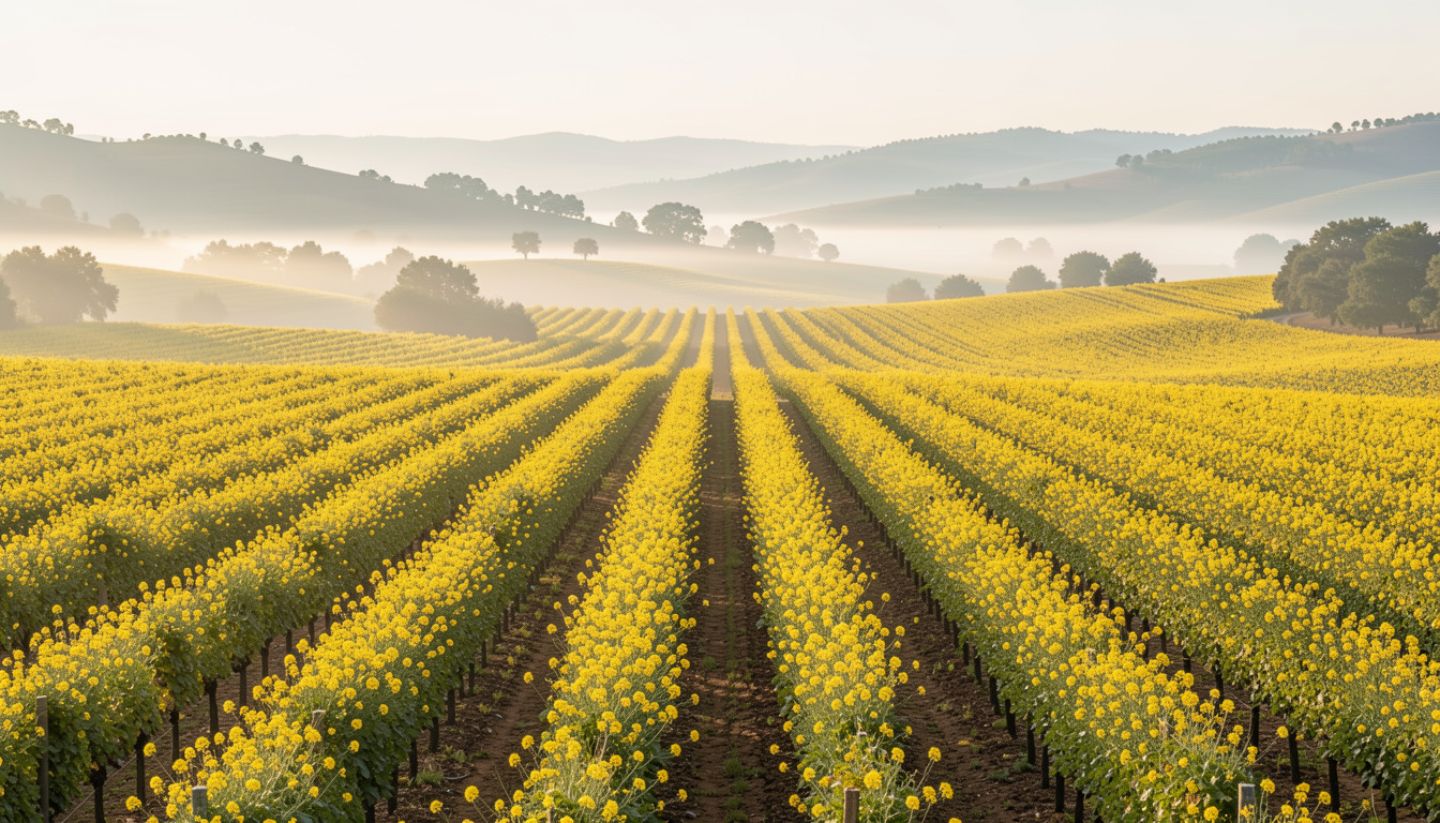
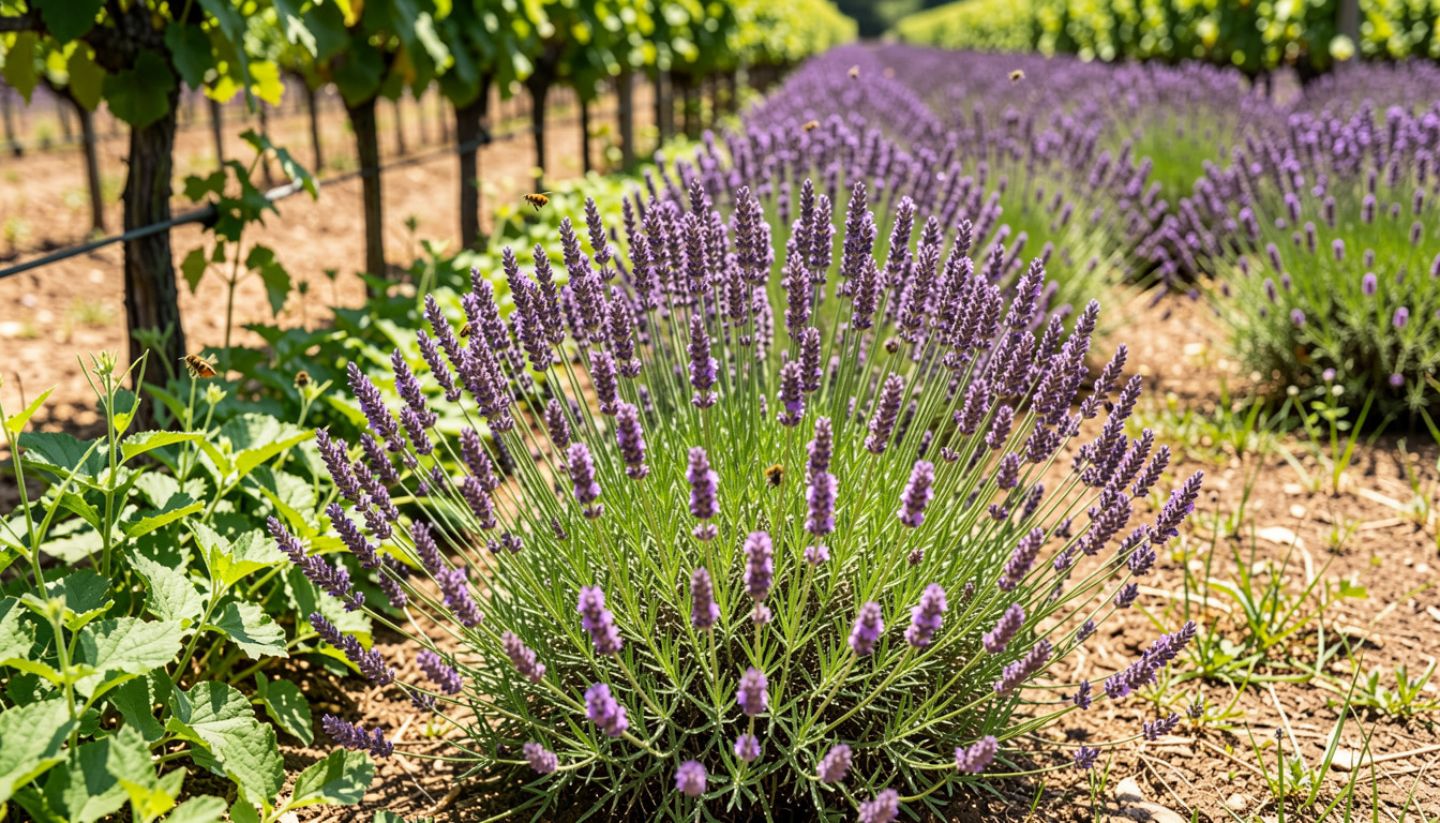
Napa Valley is often described by its vines, but the flowers tell the quieter, truer story of the seasons. There is a specific magic in late winter when mustard yellow streaks the Rutherford benchlands, or in early spring when wildflowers climb the lower slopes of the Mayacamas. Lavender and garden roses soften the valley through the heat of summer, followed by dahlias and late cover crops that hold their color as harvest eases into fall.
If you love seasonal blooms, Napa rewards patience. The valley does not bloom all at once. It unfolds, week by week, block by block. When you learn to read it, you start to experience Napa as something alive rather than arranged.
What This Experience Is Really About
Flower focused travel in Napa is about timing and sensory attention. You are not chasing a single moment. You are learning to read the land.
- Functional beauty
Mustard improves soil health. Cover crops add nitrogen. Lavender attracts pollinators. Beauty here is agricultural, not ornamental. - Seasonal literacy
Noticing vineyard margins and fence lines helps you understand how farming and ecology coexist. - Intentional pauses
Bloom watching encourages early walks and slow drives before tasting rooms open, when light is soft and colors feel richest.
Flowers are not decoration in Napa. They are signals.
When It Is Best
Each season carries its own rhythm.
- Late winter, January to February
After rain, the valley floor turns yellow. This is the slower, truer Napa when the land resets. - Spring, March to May
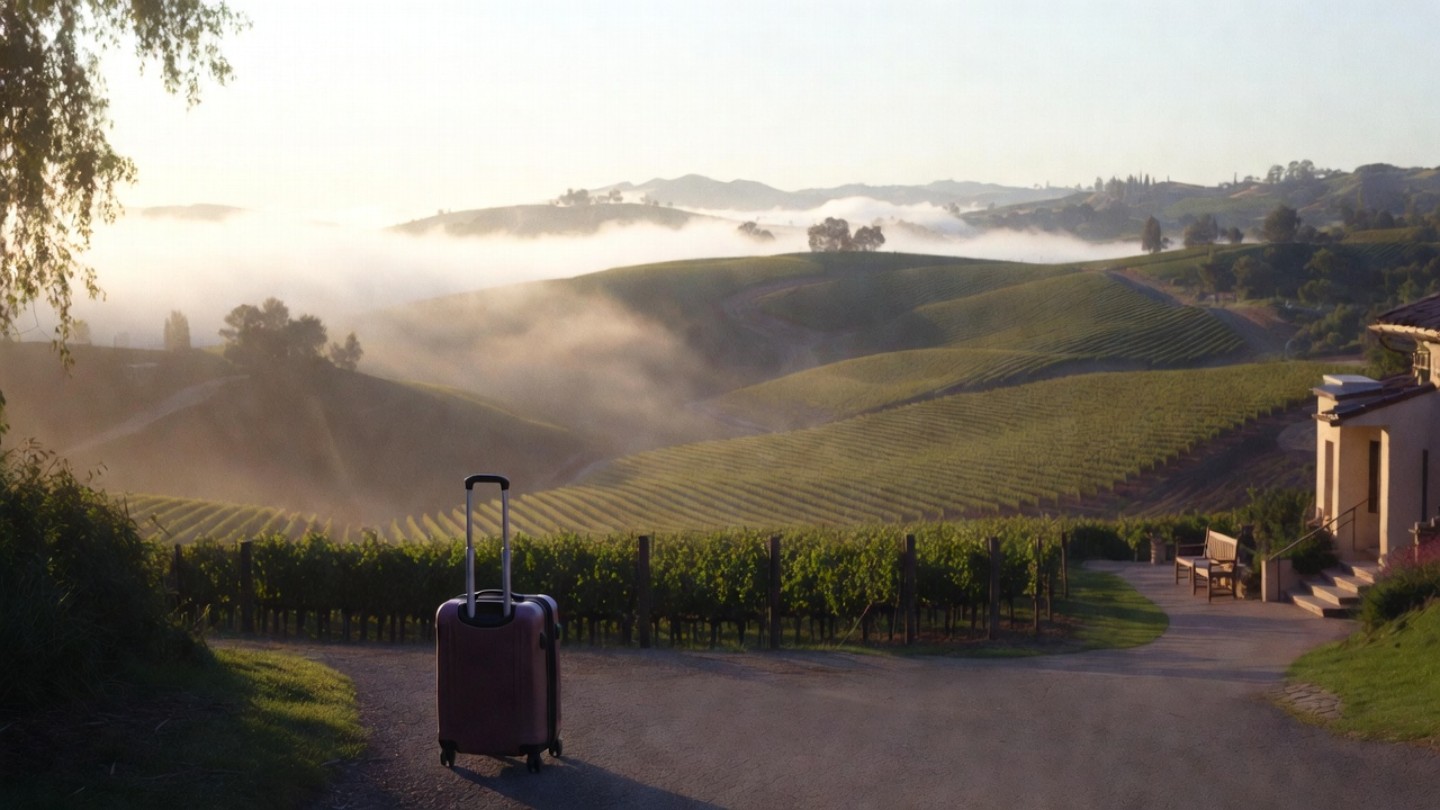
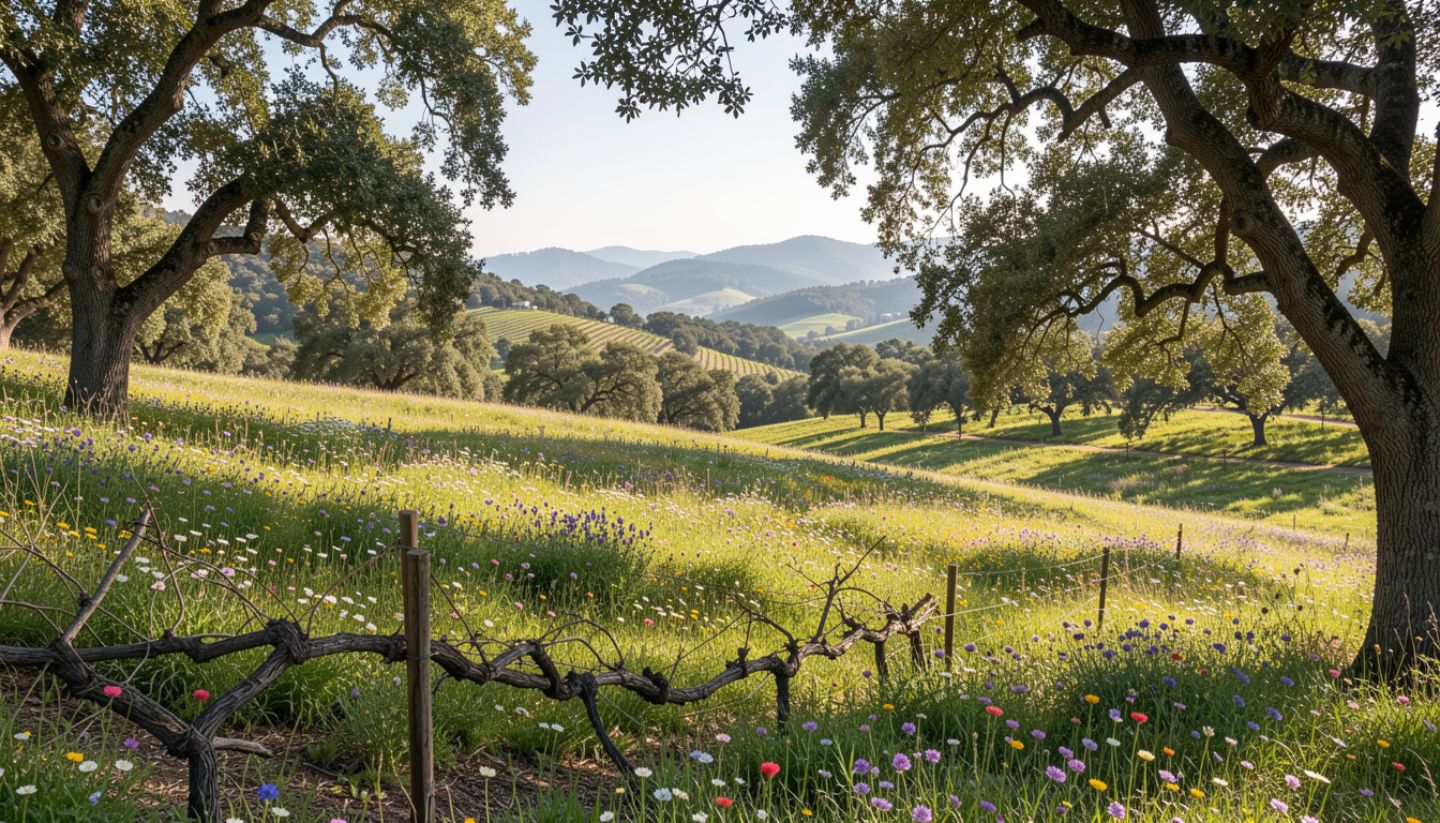
The widest variety. Wildflowers, orchard blossoms, and new growth appear as fog lifts from the hills. - Midweek visits
Tuesday and Wednesday mornings are the quietest, especially in estate gardens and along rural roads.
There is no wrong season, only different expressions.
What Most Visitors Miss
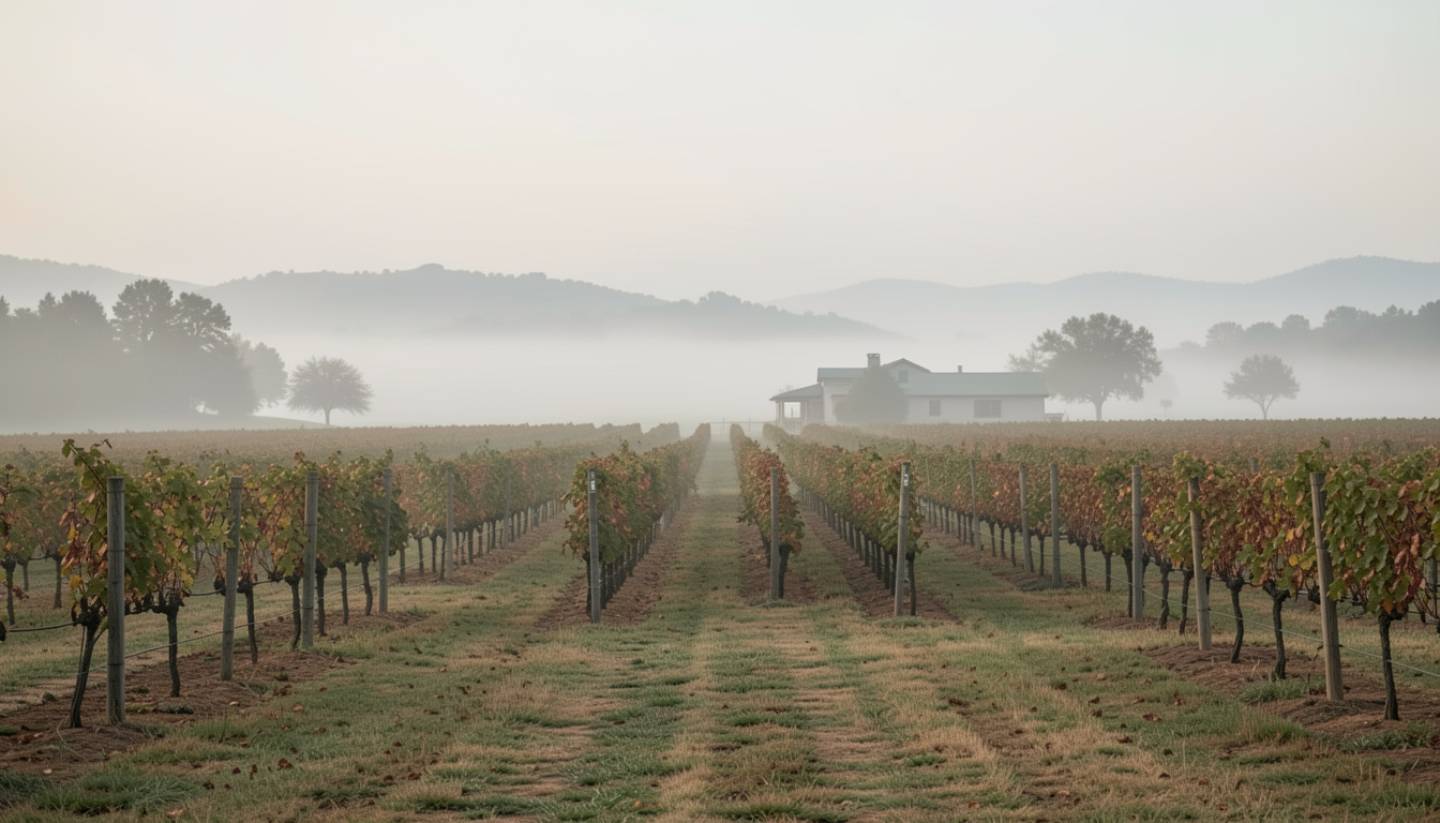
Many visitors overlook what grows between the rows. Cover crops are not just grass. They are intentional mixes of clover, peas, and vetch designed to rebuild the soil.
A local secret is that some of the best wild blooms appear where roads bend and vineyards end. Silverado Trail pullouts and Yountville Cross Road often host native species that thrive undisturbed.
If you only look where signs point, you miss the real show.
My Local Notes
Some of my favorite Napa mornings have nothing to do with wine. Walking quietly while the valley wakes up. Watching bees move through cover crops before the afternoon heat sets in. Noticing which colors arrived overnight after rain.
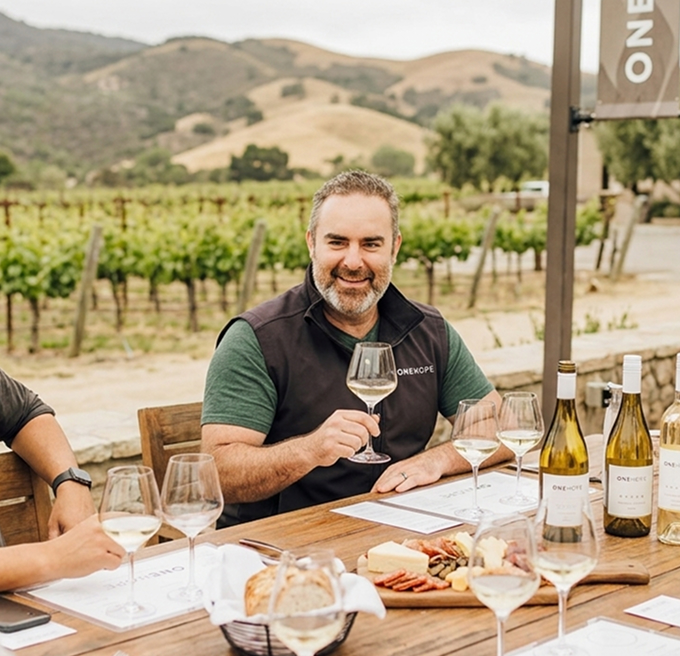
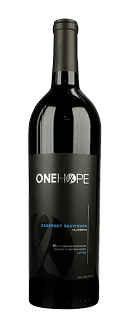
That sensitivity to season shaped how we thought about land and landscape at ONEHOPE and Estate 8. It is my baby. We wanted the grounds and the views to reflect the actual calendar, not override it. When flowers arrive naturally, people feel the difference even if they cannot explain why.
Where to Experience the Best Blooms
Certain areas consistently reward flower lovers.
- Rutherford and Oakville benchlands
Wide open blocks that glow during mustard season. - St. Helena outskirts
Transitional zones where estate gardens meet foothills and native growth. - Carneros
Rolling hills with different wildflower species shaped by wind and cooler air. - Directional cue
If you are staying in Yountville, head five minutes north on Silverado Trail for the most scenic winter and spring corridors.
Look where farming meets restraint.
How to Plan a Bloom Focused Day
Let the flowers set the pace.
- Start with a sunrise walk or slow drive
- Visit one estate late morning
- Choose outdoor lunch when possible
- Keep the afternoon flexible
- End before the light fades
Packed itineraries and bloom watching rarely mix well.