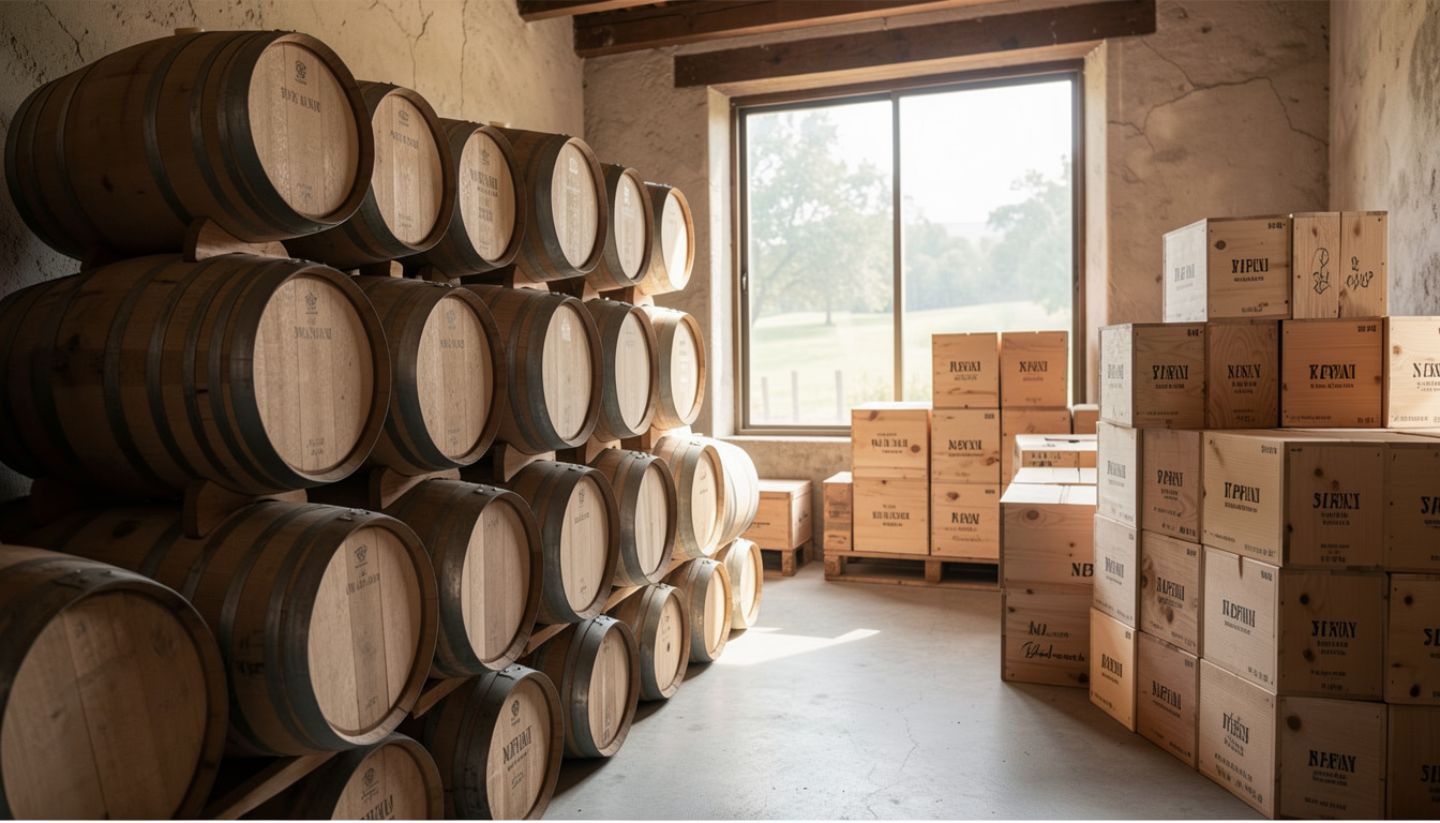
At some point in Napa Valley, wine stops being just a glass in front of you and becomes a question.
Where does this bottle go after it leaves the cellar? How does a Cabernet grown on the Rutherford benchlands end up on a table in Tokyo or London?
Wine import and export is the invisible current beneath the valley’s surface. It shapes pricing, production choices, release timing, and even the style of Cabernet that ultimately leaves the property. If you like understanding the system behind the experience, Napa is one of the most instructive places in the world to learn how wine actually moves.



What This Experience Is Really About
Learning about wine import and export means seeing Napa as both farmland and global trade.
Napa does not produce wine at scale. It produces with intention. That makes every export decision meaningful.
This experience helps you understand:
- why some wines are allocated and others are not
- why certain bottles never leave the valley
- how international demand shapes vineyard and cellar decisions
- how a sense of place survives a six-thousand-mile journey
Wine does not simply travel. It is chosen to travel.
How Napa Fits Into the Global Wine Map
Napa occupies a premium, limited-production tier.
Most estates are small. Export volumes are carefully measured. Relationships matter more than reach.
Common export destinations include:
- United Kingdom
- Japan
- South Korea
- Canada
- Select European markets
Each market values something slightly different, and Napa responds without losing its core identity.
Import vs Export: What Travelers Often Miss
Importing and exporting wine are not mirror processes.
Napa wineries primarily focus on exporting their own wines. Importing wine into the United States is typically handled by separate importers and distributors.
Exporting Napa wine involves:
- international compliance and labeling laws
- temperature-controlled logistics
- long-term distributor partnerships
- seasonal shipping windows
Understanding this distinction helps explain why some Napa wines appear abroad and others never do.
What Most Visitors Miss
Many visitors assume that a great wine automatically appears everywhere.
In reality, some of Napa’s most sought-after wines are never exported by design. Others are released overseas first due to long-standing relationships.
Another overlooked detail is timing. Wine is rarely exported immediately after bottling. Estates often wait months for stable weather to protect wine during transit.
The global wine calendar matters as much as the harvest calendar.
My Local Notes
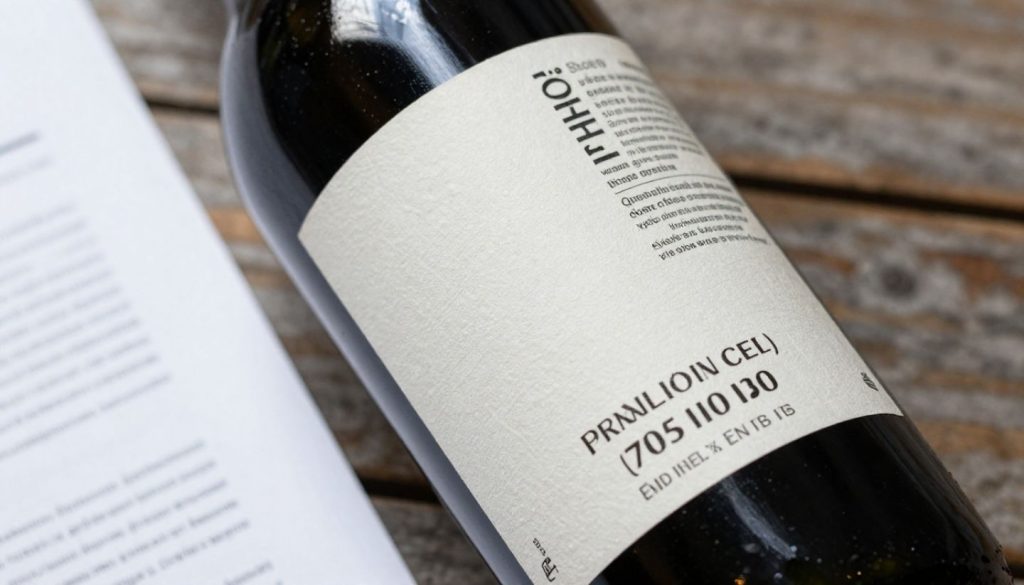
Some of the most revealing Napa conversations I have had did not happen over a tasting flight. They happened when someone asked where the wine was headed next.
That curiosity influenced how we think about stewardship and movement at ONEHOPE and Estate 8. It is my baby. We are intentional about what leaves the valley, what stays close to home, and how a bottle carries its place with it when it travels far.
Wine should arrive with its story intact.
Where Travelers Can Learn On Site
You will not find formal export tours, but learning happens through context.
- Seated tastings where allocation questions are welcome
- Library tastings that reveal how wine evolves after long transport
- Conversations about shipping and storage at the point of purchase
- Hosts who understand compliance and distribution
If you ask thoughtful questions, Napa usually answers generously.
How Import and Export Shape the Wines Themselves
Global markets influence decisions long before bottling.
- Oak choices may shift based on destination preference
- Alcohol levels are considered for shipping stability
- Label language adapts to international regulations
- Release timing aligns with buying seasons abroad
Export does not dilute Napa’s identity. It requires clarity.
How to Plan a Learning-Focused Visit
Approach the topic with curiosity, not jargon.
- Choose education-driven estates
- Visit midweek when conversations have room to unfold
- Ask which wines never leave the valley
- Ask how wineries protect wine during long transport
- Pay attention to shipping discussions
This is not about touring logistics facilities. It is about understanding flow.