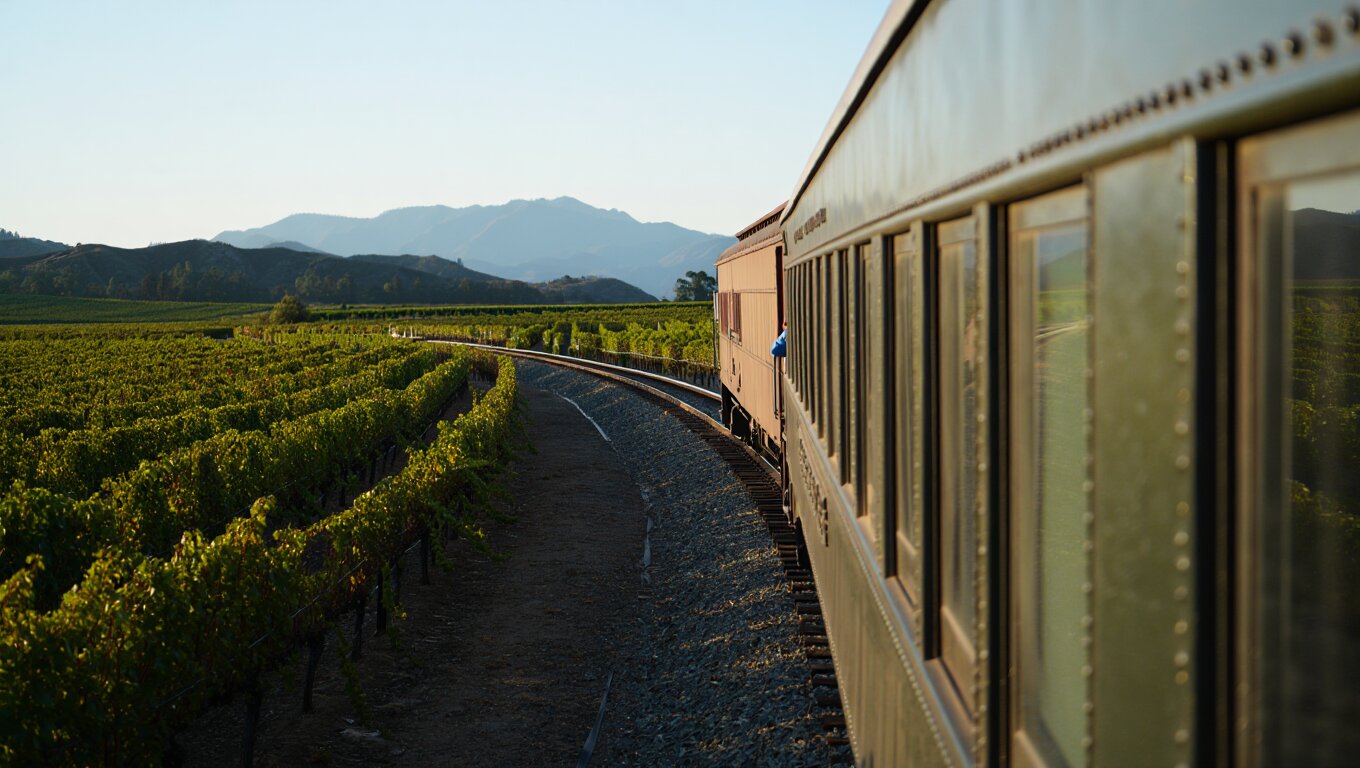
Napa Valley has a long memory. You feel it most when you move through it at an older pace, before the Valley’s modern rhythm takes over. Vintage trains and trolleys slow everything down just enough to notice what usually gets missed. The way vineyard rows bend instead of run straight. The quiet space between towns. The sense that this place existed long before itineraries did.
These experiences are not about efficiency. They are about texture. Wood paneling worn smooth by time. Polished brass. Open air moving across the Valley floor. Routes that follow the land instead of cutting through it. For visitors who want to feel Napa rather than rush it, these rides offer a different way in.
What These Experiences Are Really About
Vintage rail and trolley rides work because they remove decision fatigue. You are not navigating, booking, or watching the clock. You are present while someone else handles the movement.
They also give you geography. Napa is a long, narrow valley shaped by the Mayacamas to the west and the Vaca Range to the east. Riding through it in a straight line helps everything click. You see how vineyards cluster on the benchlands, how towns like Yountville and Rutherford sit close together yet feel distinct, and how the land subtly shifts as you head north.
Napa Valley Wine Train
Why it’s iconic
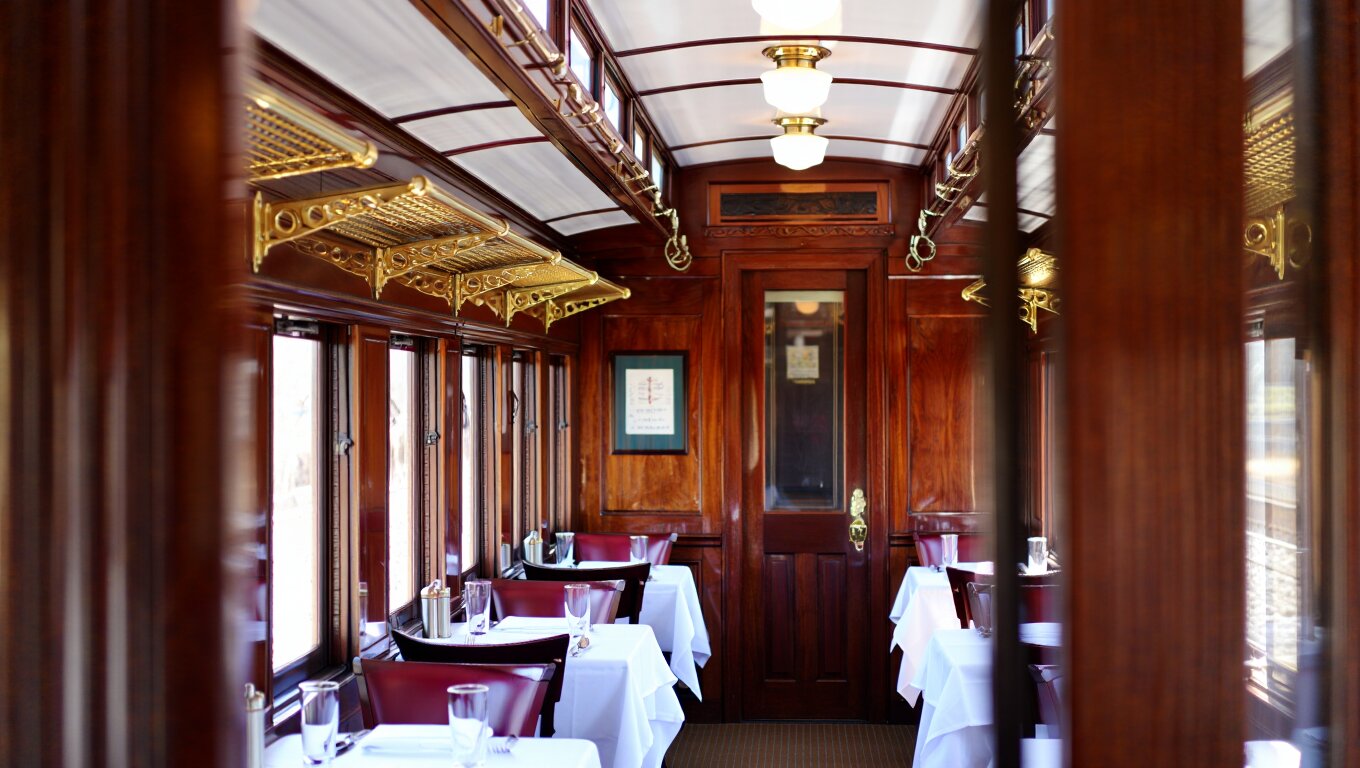
- Restored 1915 to 1917 Pullman railcars
- Polished mahogany interiors and white tablecloth dining
- A slow, rhythmic pace that makes the Valley feel continuous
What to know before you book
- Most experiences last around three hours round trip
- Some offerings focus entirely on onboard dining, while others include winery stops
- Afternoon departures deliver especially soft light through the windows
Local directional cue
The station is located at 1275 McKinstry Street, an easy walk from the Oxbow Public Market and the Napa Riverfront.

Napa Valley Wine Trolley
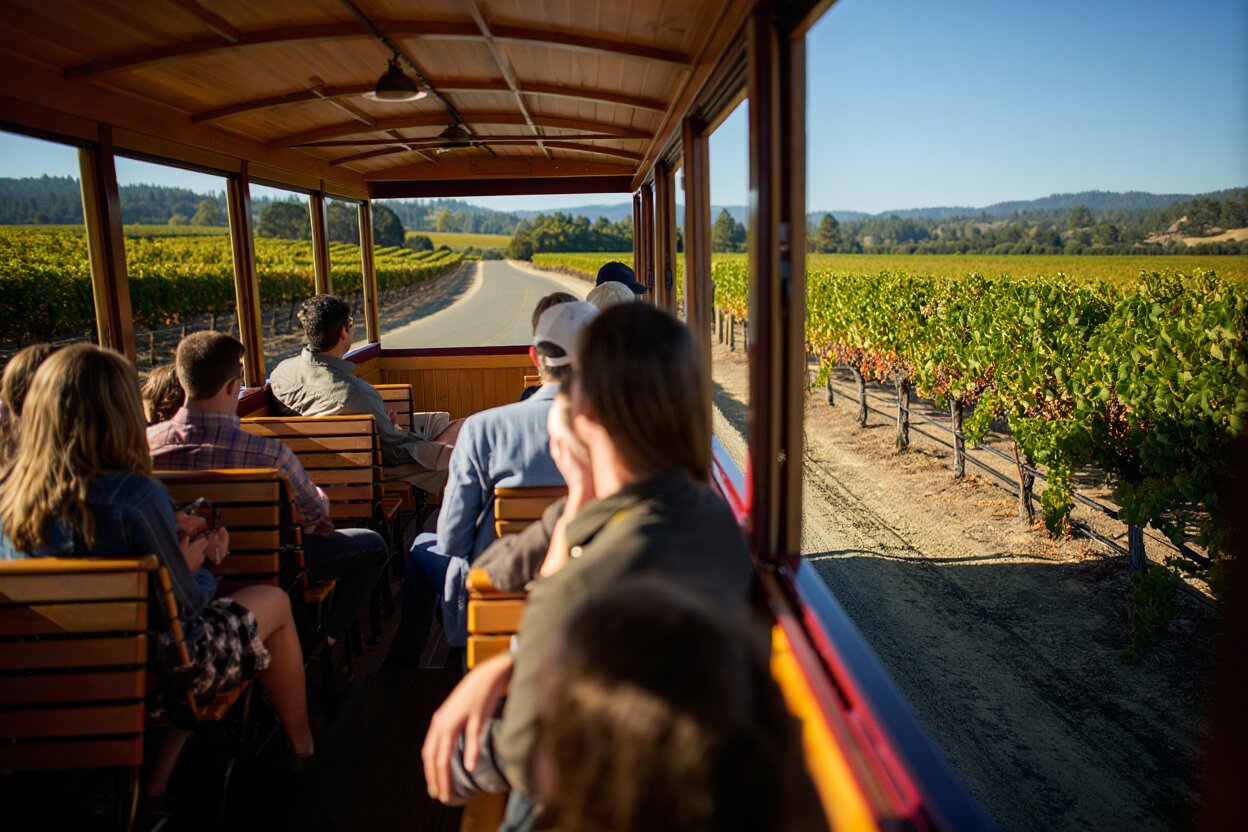
Modeled after late-1800s San Francisco cable cars, the Napa Valley Wine Trolley travels Valley roads instead of rails.
Why people love it
- Open-air seating with 360-degree vineyard views
- A social, relaxed atmosphere
- Live narration that connects history, land, and wine families
The route
Most tours depart from the Oxbow District and head north toward St. Helena, often stopping at landmarks like V. Sattui or the castle-style architecture of Castello di Amorosa.Best for
First-time visitors who want a true Napa orientation while visiting multiple wineries without driving.
Which One Should You Choose?
| Feature | Wine Train | Wine Trolley |
| Best For | Anniversaries, dining, immersion | Groups, first visits, overview |
| Vibe | Elegant, historic, contained | Breezy, social, conversational |
| Setting | Climate-controlled railcars | Open-air trolley |
| Pace | Slow and steady | Lively with multiple stops |
What Most Visitors Miss
On the Wine Train, the Silverado Trail side of the Valley is often quieter and more pastoral than the Highway 29 side. Watch for subtle shifts in vineyard spacing and light.
Season matters.
- Winter and Mustard Season (January to March): The trolley is chilly but unforgettable when yellow blooms fill the Valley floor.
- Fall Harvest: Both experiences offer a rare look at active crush pads and night harvest lighting from a moving vantage point.
My Local Notes
The first time I rode the tracks north, what struck me most was how little actually changes between towns. Just small shifts in light, soil color, and spacing. It made Napa feel less like a collection of stops and more like one long, connected story. That perspective stayed with me long after the ride ended.
How to Make It Memorable
Let the experience anchor your day. Since most rides begin and end in Downtown Napa, resist the urge to immediately drive elsewhere. Walk the riverfront. Grab something casual at Oxbow. Let the pace hold.
Gentle Estate 8 or ONEHOPE Integration
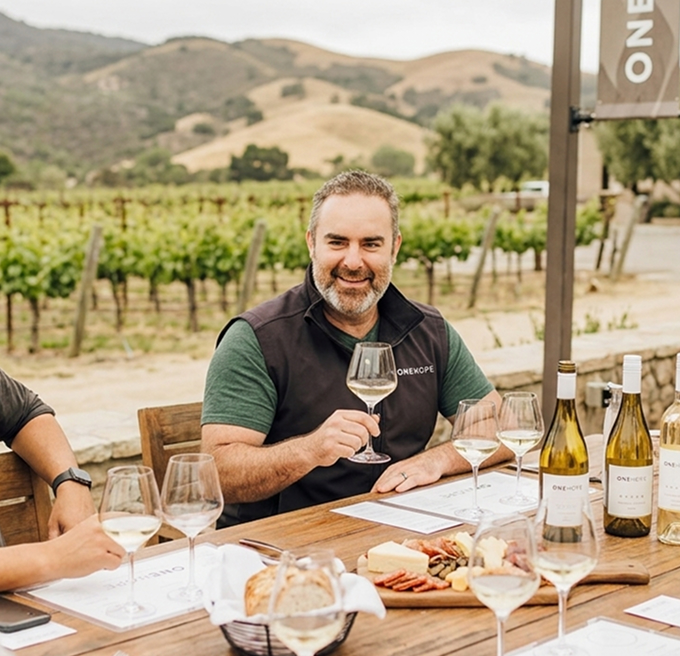
I will admit a little bias here. Estate 8 and ONEHOPE were built around the belief that gathering matters more when people slow down and arrive grounded. They are very much my baby. Some of the most meaningful conversations I’ve had here came after days like this, when the Valley had already done the work of orienting people to place.