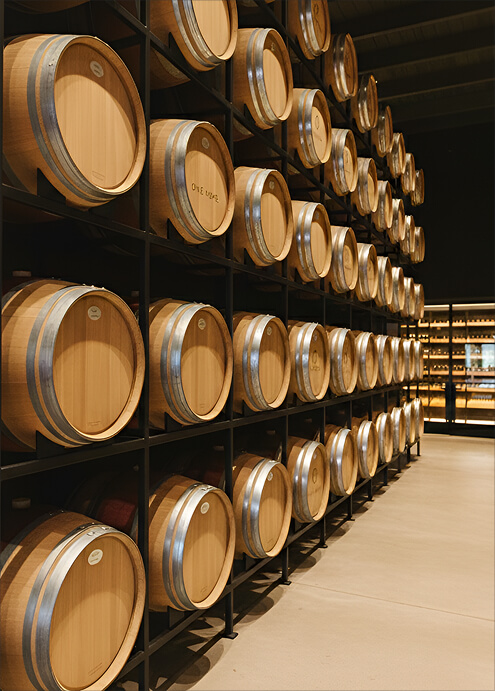
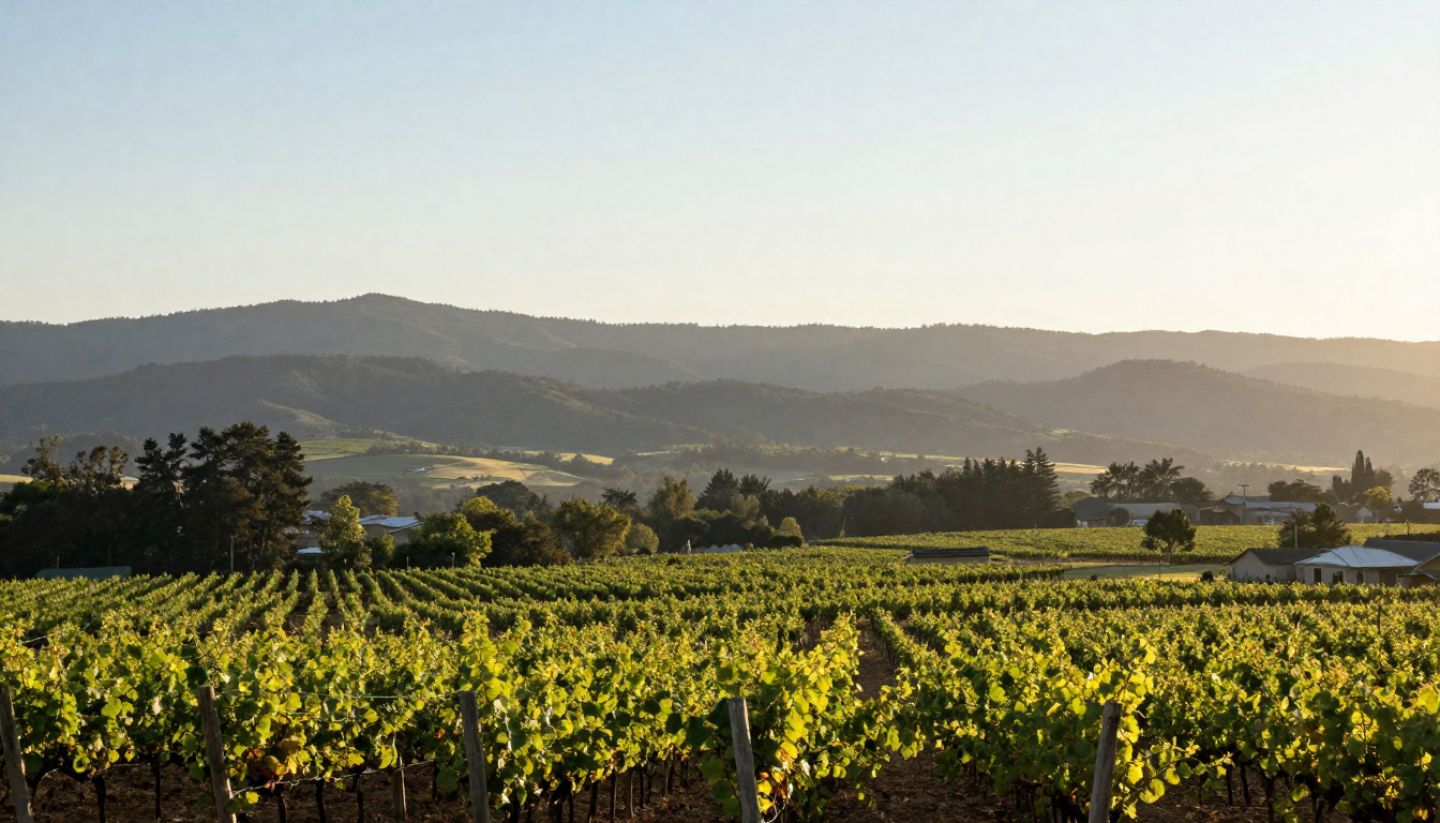
Napa Valley is powerful, but it is not meant to be experienced in isolation.
One of the quiet realizations that happens after a few days here is that wine does not stop at county lines. The fog that shapes Carneros keeps moving south. The ridgelines that frame Rutherford stretch west and north into entirely different expressions. When you plan a multi-valley wine trip, Napa becomes your anchor, not your boundary.
This kind of travel is not about checking regions off a list. It is about contrast, pacing, and understanding how geography quietly shapes what ends up in the glass.
What This Experience Is Really About
A multi-valley trip is about perspective.
You begin to understand Napa not as the only answer, but as one voice in a broader conversation. Cabernet from the Oakville benchlands lands differently once you taste coastal Pinot the following day. Mountain tannin makes more sense after a cooler-climate Chardonnay.
This style of travel favors:
- geographic contrast over volume
- fewer wineries with deeper context
- noticing fog, elevation, and temperature shifts
- letting the land explain itself
Wine becomes a lens, not a checklist.
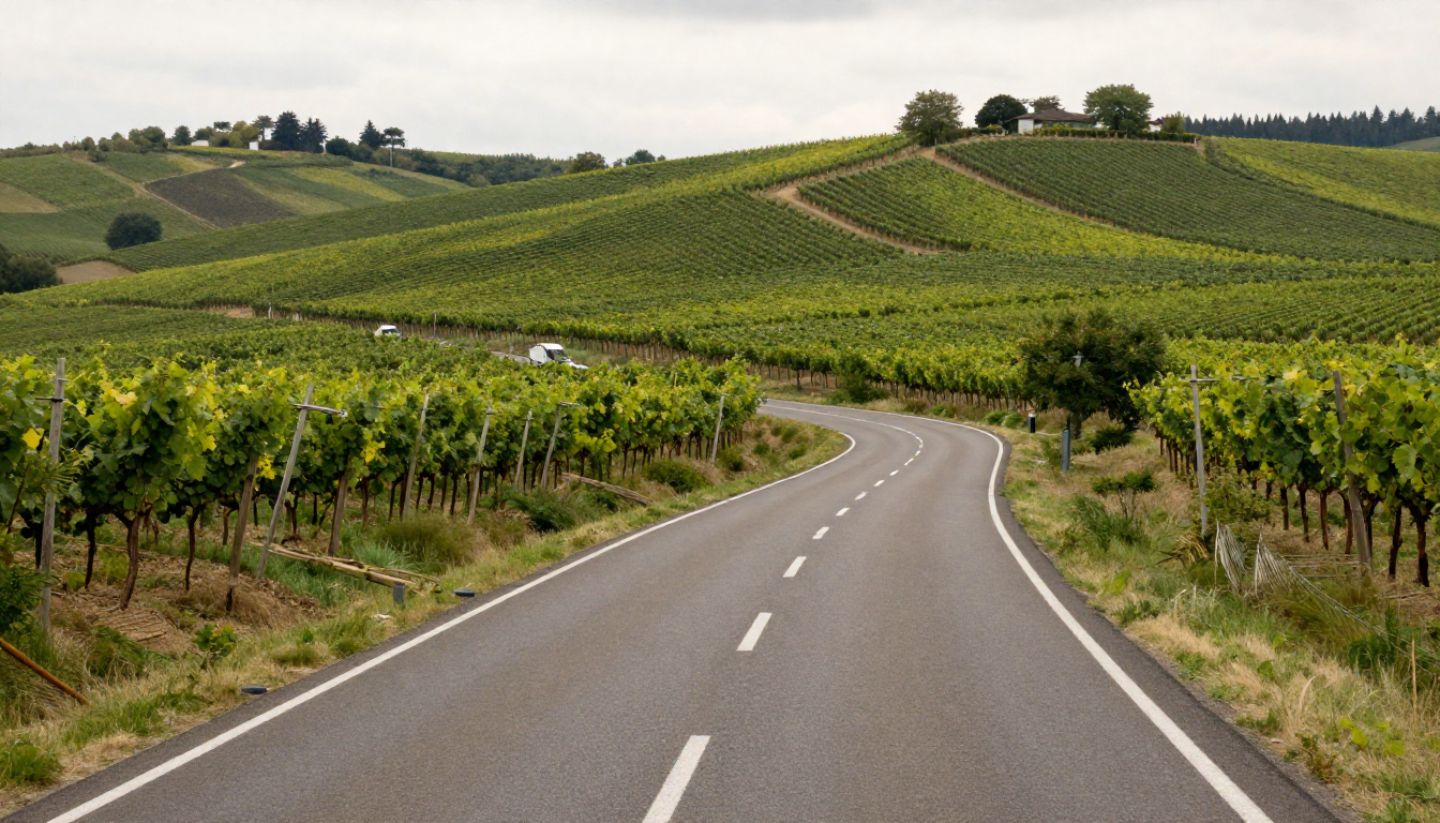
How Napa Works as Your Anchor
Napa’s compact size and infrastructure make it an ideal hub.
You can stay in one place and explore outward instead of moving hotels. Morning routines, familiar dinners, and the valley’s evening light stay constant even as your palate travels.
From a Napa base:
- Sonoma sits just west over the Mayacamas
- Carneros bridges valleys with cooler air and open hills
- Russian River adds fog and forest
- Lake County introduces elevation and volcanic soil
You return each night with a clearer understanding of why Napa tastes the way it does.

Suggested Valley Pairings
Some combinations naturally teach more than others.
Napa and Sonoma
The most accessible pairing. Structure versus openness. Precision versus ease.
Napa and Russian River
A study in fog and acidity. Cabernet one day, Pinot Noir the next.
Napa and Anderson Valley
For travelers who enjoy quiet roads and focused tasting. Forested, remote, and deliberate.
Napa and Lake County
High elevation, volcanic energy, and a different sense of scale. Underrated and clarifying.
Two valleys are usually ideal. Three can work, but only if everything else slows down.
When It Is Best
Multi-valley travel rewards restraint.
- Midweek
Tuesday through Thursday keeps mountain roads calmer and tasting rooms conversational. - Spring and fall
Mild temperatures and active vineyard cycles make contrasts clearer. - Seasonal note
October harvest is beautiful but intense. If you want easy movement between valleys, choose another window.
The goal is clarity, not exhaustion.
What Most Visitors Miss
Most travelers try to see too much.
They underestimate driving time, palate fatigue, and how quickly mental focus fades. They also miss how much wine regions communicate through silence rather than spectacle.
A well-planned multi-valley trip feels spacious. A rushed one feels blurry.
My Local Notes
Some of the clearest insights I have ever had about Napa came from leaving it for a day and coming back. Tasting elsewhere sharpens your sense of home.
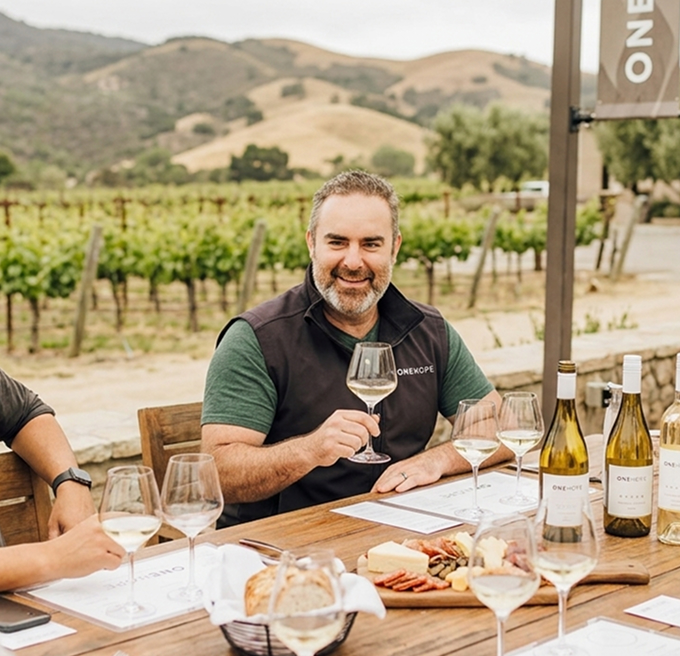
That perspective shapes how we think about place at ONEHOPE and Estate 8. It is my baby. Seeing Napa in context keeps it grounded rather than insulated. Perspective, in wine and in travel, is a form of respect.
How to Plan a Smart Multi-Valley Day
Keep the structure simple.
- Start early and choose one direction
- Limit tastings to two
- Plan a long, unhurried lunch
- Drive back before dark
- Return to Napa for dinner and rest
Let the valleys speak without interruption.
Where to Stay
Multi-valley travelers tend to do best when they:
- stay centrally in Napa or Yountville
- avoid relocating hotels
- choose quieter accommodations
- prioritize rest over nightlife
Consistency off the road improves clarity in the glass.