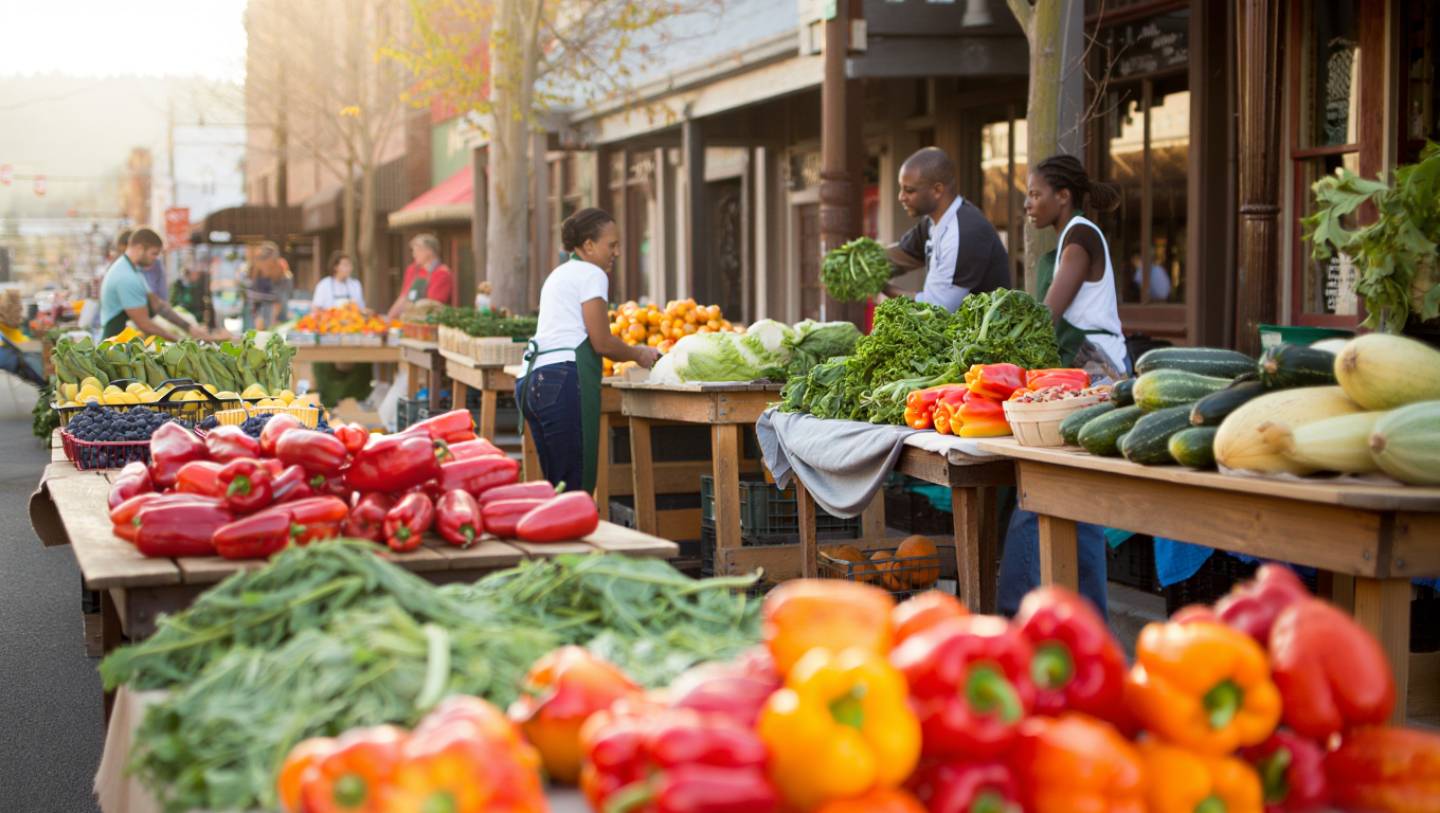
Napa Valley reveals itself best at a farmers market.
Before tasting rooms open and before the valley fills with itineraries, you can see what really drives this place. Hands still dusty from the field. Tables stacked with just picked fruit. Conversations that begin with where something was grown, not how it was plated.
If you love farmers markets and local food, Napa is not a destination you rush through. It is a place you settle into. The valley has always moved at the pace of harvest, not hype.
What This Experience Is Really About
This way of traveling Napa is about proximity.
Farmers market travelers tend to value:
- Knowing where food comes from and who grew it
- Menus that shift with the farm calendar rather than fixed offerings
- Long meals shaped by what is available that week
- Experiences rooted in agriculture, not performance
In Napa, local food is not a trend. It is the underlying structure of the valley.
When It’s Best
Spring brings citrus, tender greens, asparagus, and strawberries.
Summer delivers tomatoes, stone fruit, corn, and herbs at their peak.
Fall offers squash, mushrooms, apples, and the layered energy of harvest.
Cabernet season from late fall through early spring brings fewer visitors and deeper conversations with growers and chefs.
Midweek travel allows the calmest market experience and the most flexibility at restaurants.
My Local Notes
I often decide the entire day after seeing what is on a farmers market table. When you start with the food, Napa naturally organizes itself. Some of the best meals I remember here began with a market conversation, not a reservation.
A Farmers Market Focused Napa Valley Day
Morning: Start at the Market
Begin early.
The Downtown Napa Farmers Market, St Helena Farmers Market at Crane Park, and Calistoga Farmers Market each offer a different window into the valley. Walk slowly. Ask questions. Notice what is abundant. That is the valley telling you what kind of day it wants to be.
Coffee can wait until after the first lap.
Late Morning: Agricultural Continuity
Once you see what is fresh, choose an experience that mirrors that connection to the land.
Wineries that farm organically or biodynamically often resonate with market lovers because the relationship to soil feels continuous. Places like Frog’s Leap or Quintessa speak through their gardens as much as their cellars.
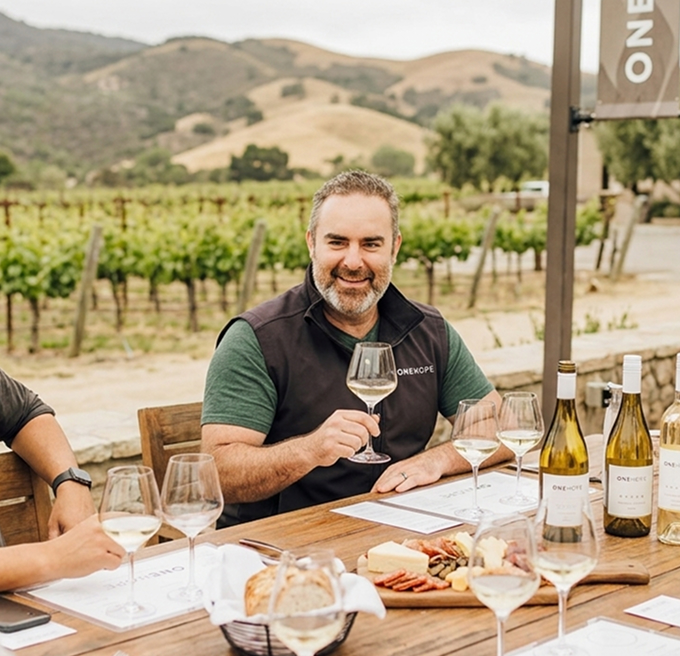
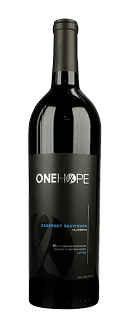
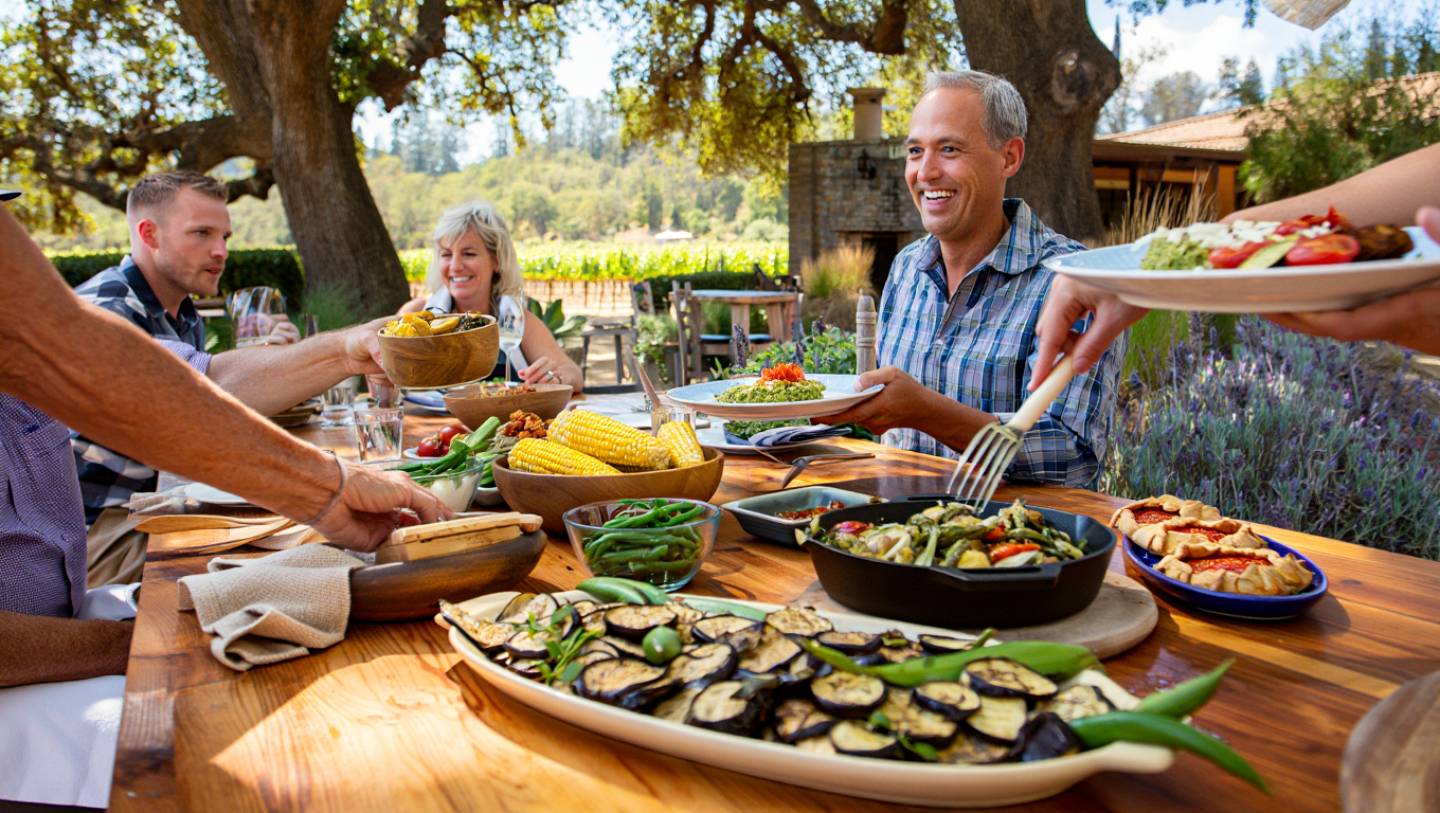
Estate 8, by invitation, reflects this same philosophy through ONEHOPE. Set into the Rutherford benchlands, the experience is built around shared tables, seasonal food, and purpose tied to the land. What you eat and how it arrived there matters as much as what is poured.
Lunch: Follow the Ingredients
Lunch should feel like an extension of the morning harvest.
Restaurants such as Charter Oak, Farmstead, and Brix understand how to let ingredients lead. Ask what just came in from the garden. Let the kitchen set the pace. When lunch stretches longer than planned, you are doing it right.
Afternoon: Food as Landscape
After lunch, keep the day grounded.
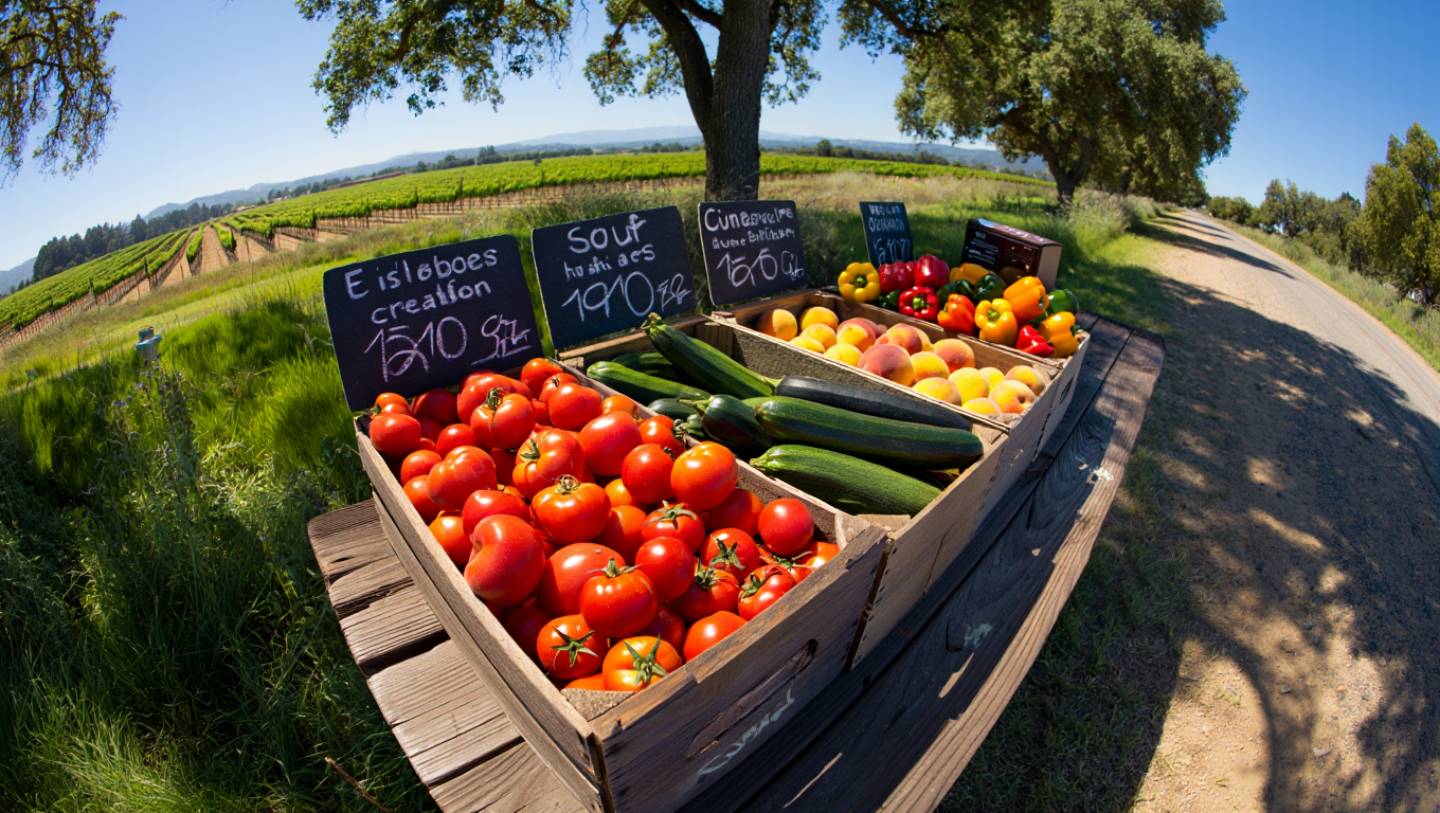
Visit Oxbow Public Market for additional local producers and prepared foods, or take a slow drive along Silverado Trail. Look for side roads and farm stands. This is where Napa feels least curated and most itself.
Evening: Simple and Seasonal
Dinner does not need to be elaborate.
Many Napa kitchens are happiest cooking simply from what they know well. Early reservations bring quieter rooms and space for conversation. When food leads, wine becomes a complement rather than a requirement.
Where to Stay
Choose accommodations that treat food as part of the experience.
Hotels connected to gardens or strong culinary programs make farmers market travel seamless. Bardessono and Carneros Resort are well suited to this rhythm. Estate 8, by invitation, was created around shared meals and seasonal sourcing. Quiet mornings, long tables, and food that reflects the valley define the stay.
What Most Visitors Get Wrong
They separate food from the rest of the experience.
In Napa, food is the experience. When you follow the market, everything else aligns.
A Short Memory
One morning market visit turned into a lunch that stretched well into the afternoon. The same peaches showed up three different ways at the table. Nothing felt planned. Everything felt right. That is Napa at its most honest.