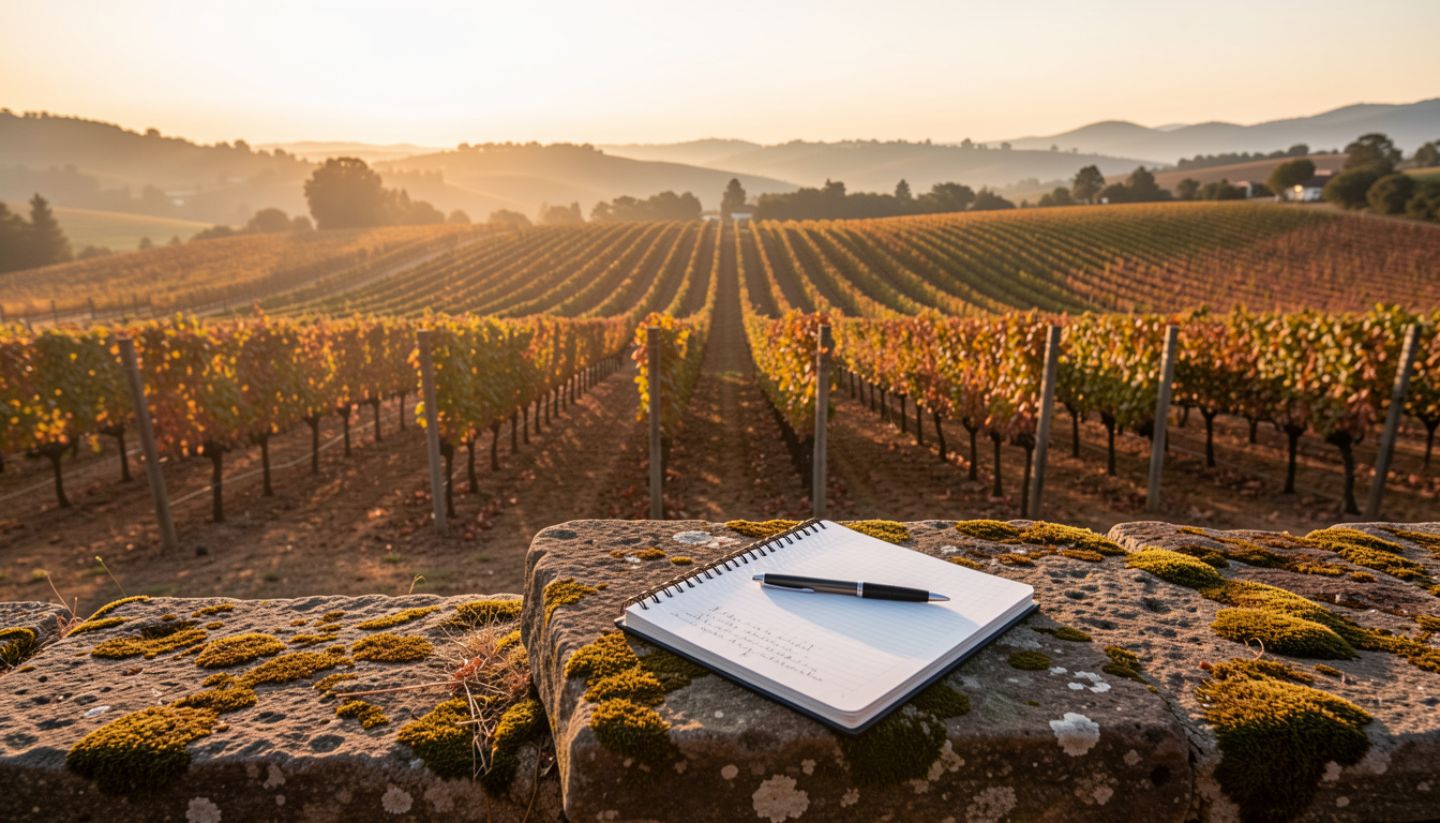
Napa Valley is a good place to write.
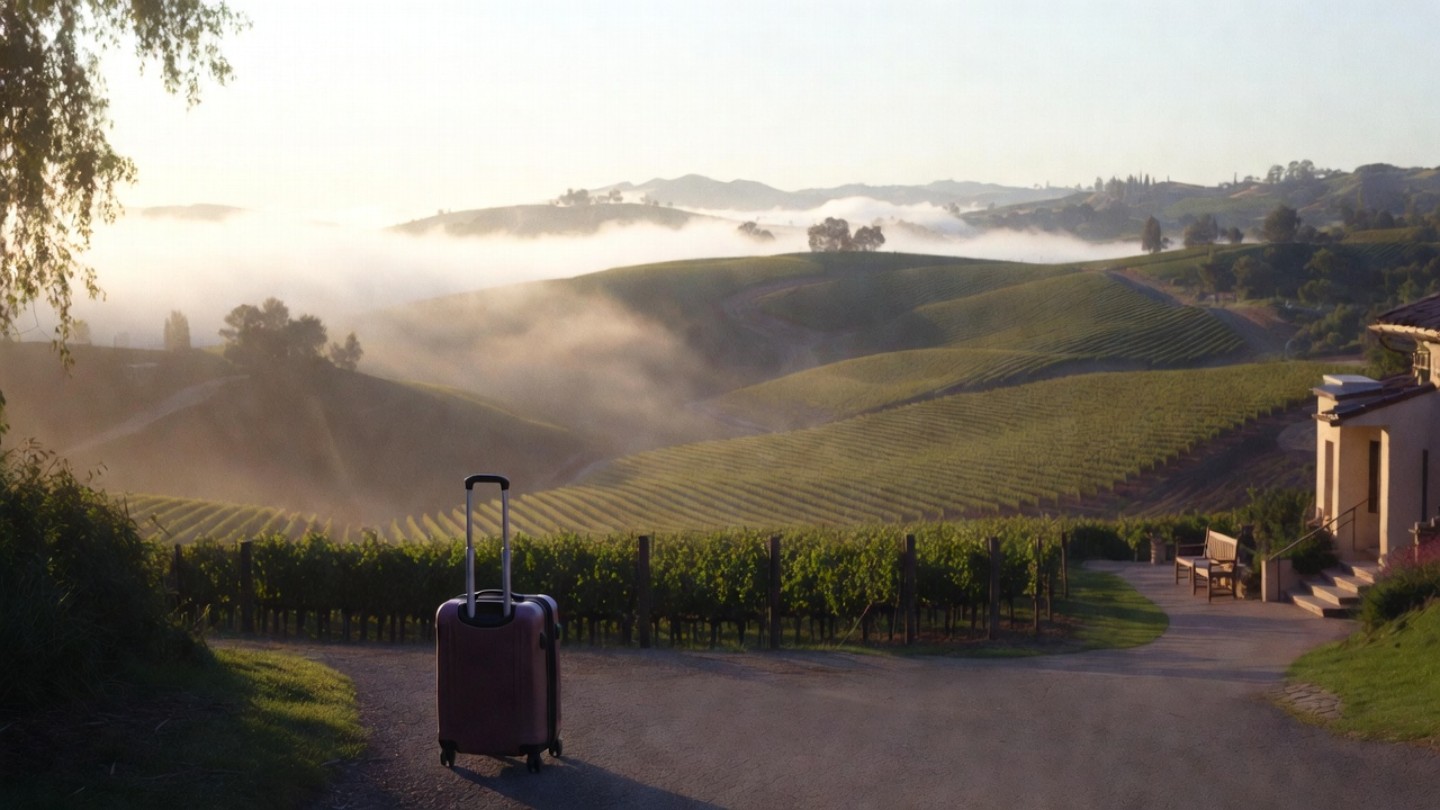
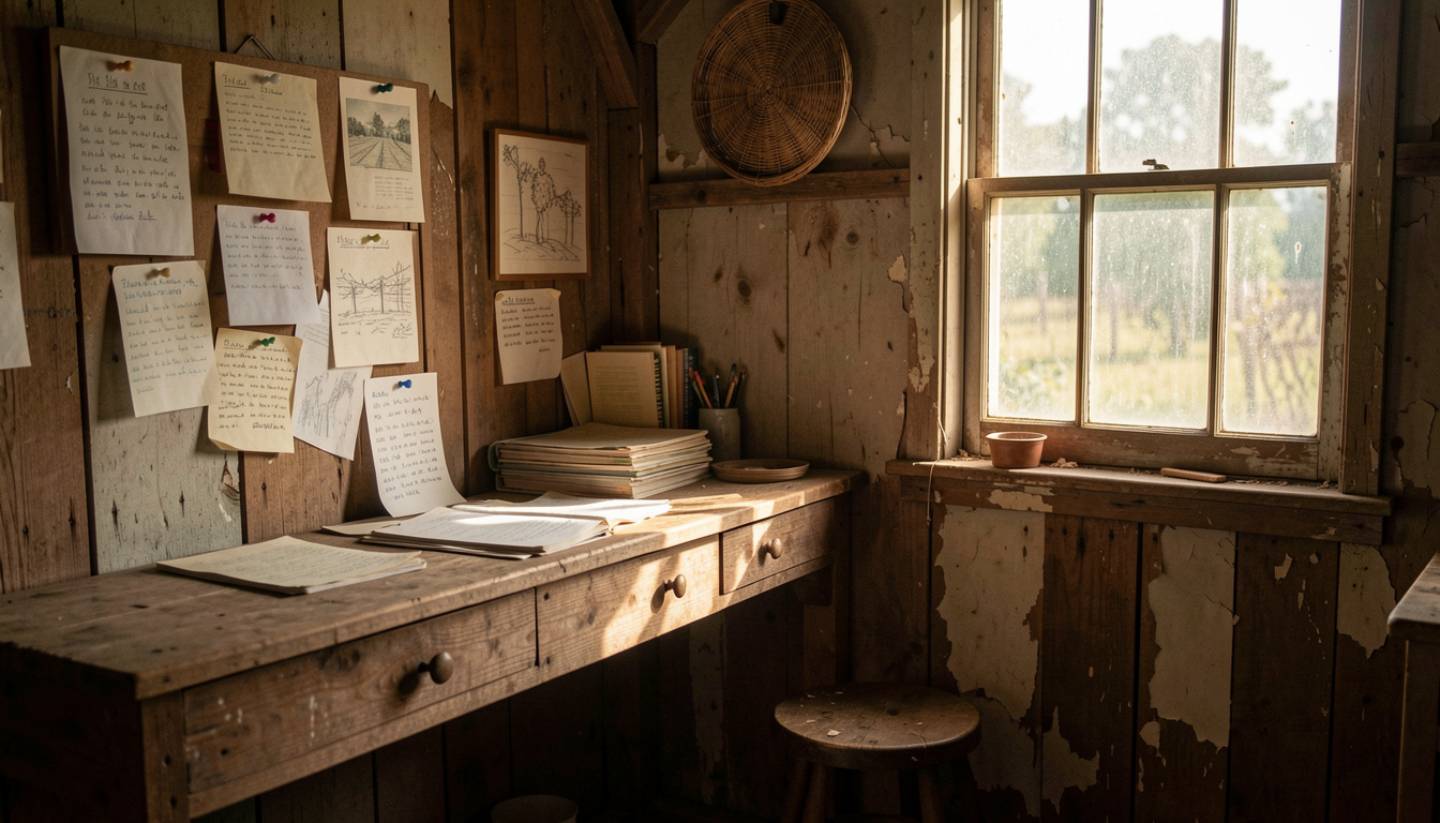
Not because it is dramatic, but because it gives you room. Long pauses between moments. Light that changes slowly. Silence that is not empty, just attentive. If you travel with a journal, Napa does not ask you to keep up. It invites you to sit, notice, and record what stays with you after the glass is empty.
This is a valley that understands reflection. Wine, like journaling, improves when you slow down long enough to listen.
What This Experience Is Really About
Travel journaling in Napa is not about documenting every stop. It is about noticing what lingers.
You stop trying to capture everything and start paying attention to what asks to be remembered. The journal becomes a place where the valley speaks back.
- Sensory detail
Write about the lift of the morning fog instead of the forecast. - Lived voice
Record a sentence a host says about Rutherford Dust that stays with you. - Atmosphere
Notice how the valley smells after a winter rain or how the weight of the glass feels at the end of a long lunch. - White space
Journaling travelers understand that memory sharpens when there is margin in the day.
This is observation, not accumulation.

When Napa Is Best for Writing
Timing matters.
- Early mornings
Before tasting rooms open and traffic settles on Highway 29, the valley belongs to birds, fog, and delivery trucks. - Midweek
Tuesday through Thursday offers space to linger at a table in St. Helena or Yountville without feeling rushed. - Shoulder seasons
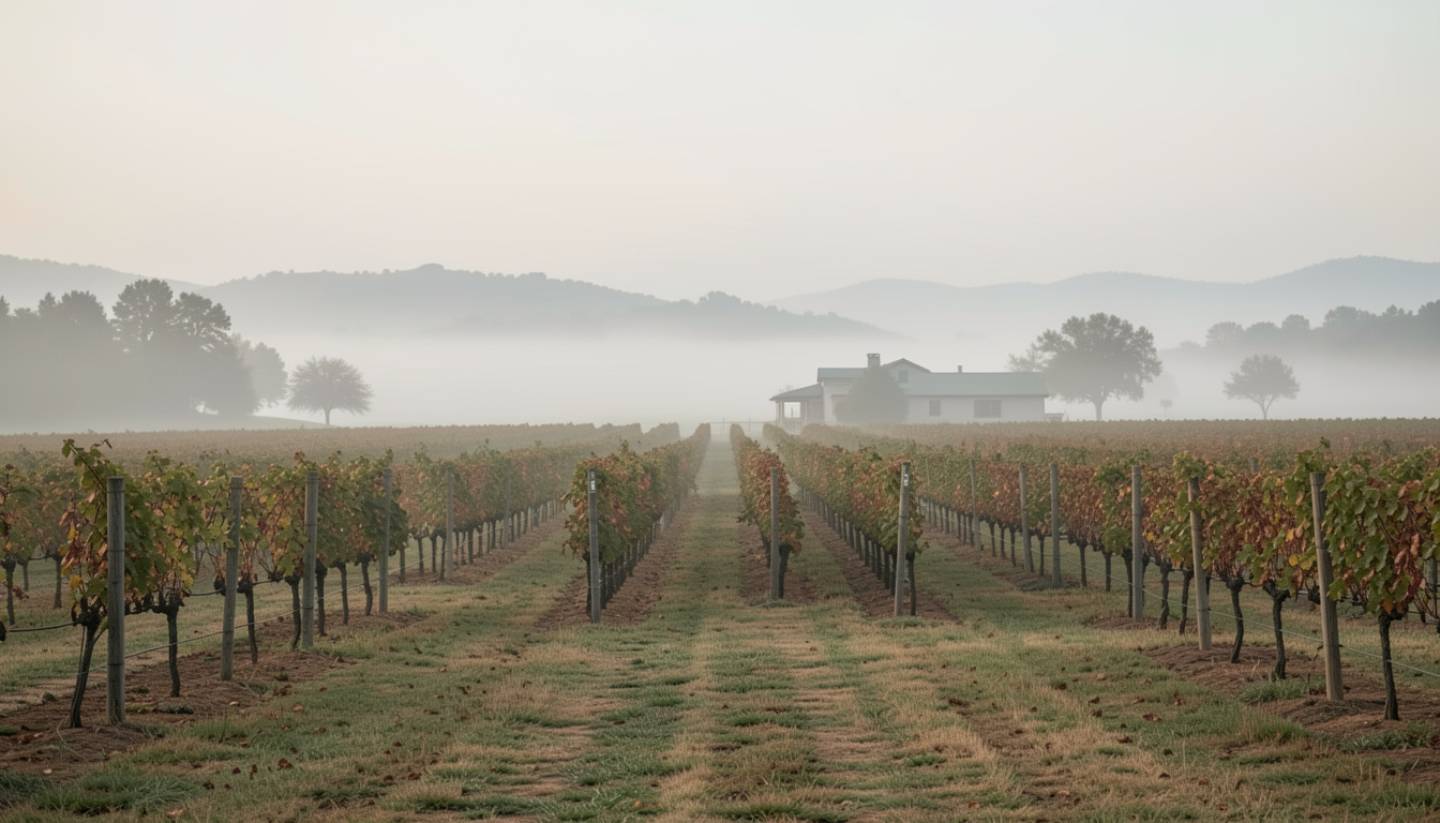
Late winter during mustard bloom, early spring, or late fall after harvest when the valley turns inward and softens.
The best writing hours often arrive when nothing else is scheduled.
What Most Visitors Miss
Many visitors move too quickly to notice the moments worth recording.
They photograph views but do not sit with them. They taste wine but do not write how it made them feel. Journaling travelers understand that memory deepens when it passes through language.
Napa rewards people who leave white space in both their itinerary and their notebook.
My Local Notes
Some of my clearest Napa memories exist only because I wrote them down. A single sentence in a notebook can hold more truth than a dozen photos.
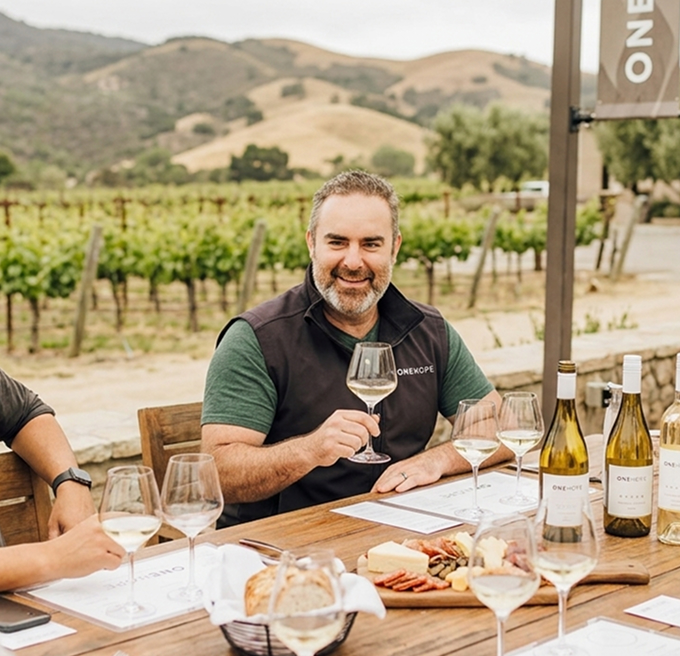
That awareness shaped how we thought about space at ONEHOPE and Estate 8. It is my baby, and I am biased, but we wanted places that felt unhurried. Quiet corners. Long views. Enough stillness that you might open your notebook instead of your phone.
Writing changes how you remember a place.
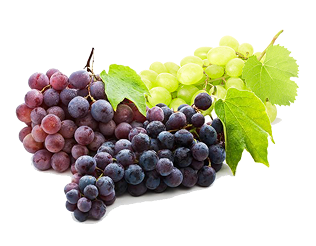
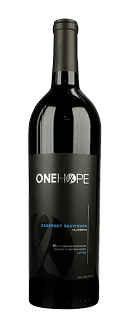
Where Journaling Happens Naturally
You do not need designated writing spots. Napa offers them quietly.
- Café tables
Early mornings at places like Model Bakery or Bouchon before lunch service. - Vineyard edges
Safe pullouts along Silverado Trail or Oakville Cross Road where rows meet the hills. - Seated tastings
Experiences designed for conversation rather than turnover. - Public benches
Parks in St. Helena or river-adjacent spots in Downtown Napa.
The best places are the ones where no one asks what you are doing.
How to Plan a Journal-Friendly Day
- Schedule fewer experiences than you think you need
- Choose seated tastings over standing bars
- Leave at least one open hour
- Carry your notebook everywhere, even to lunch
- Let weather and mood guide you
If your day feels slightly underbooked, you planned correctly.
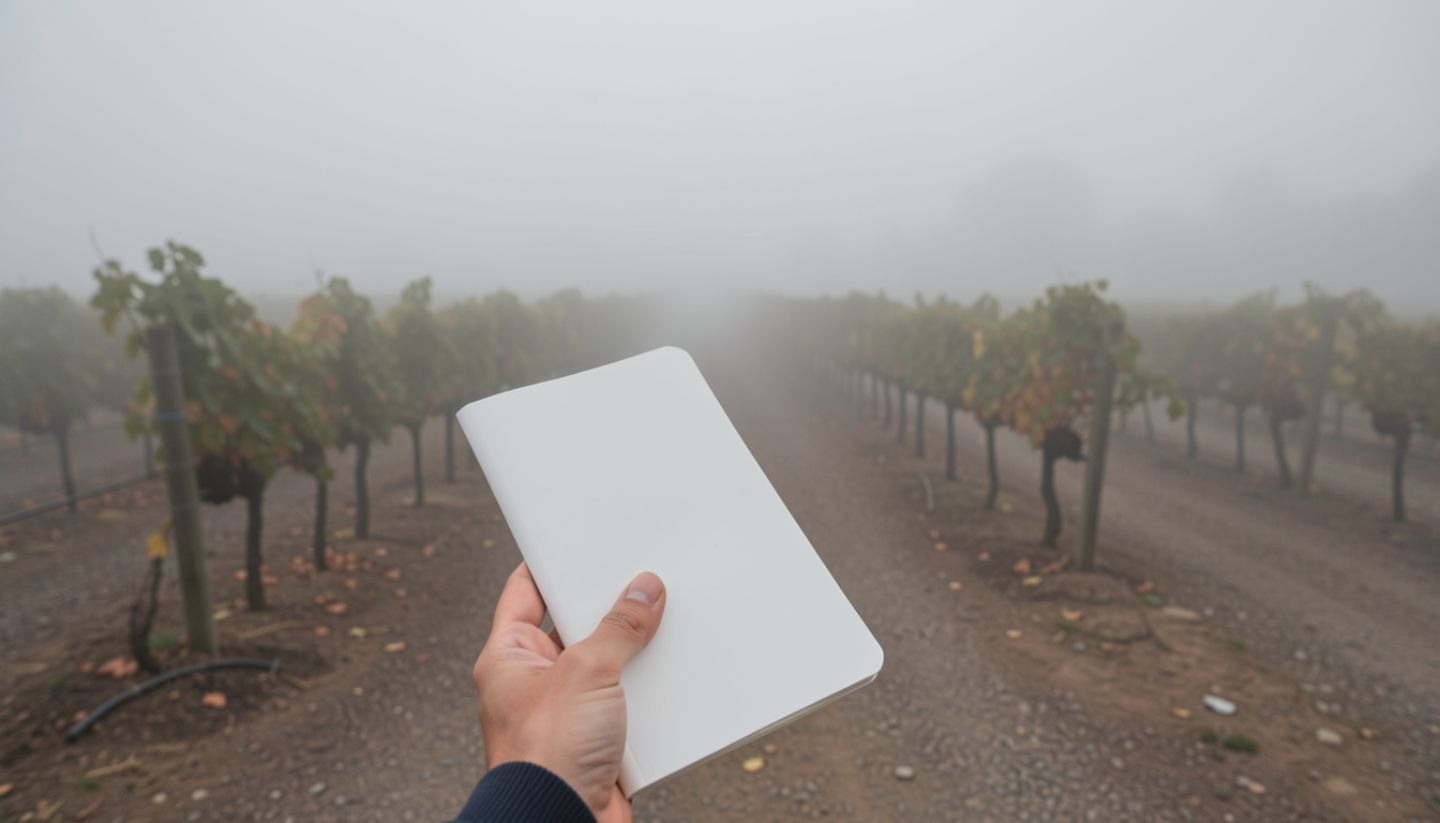
What to Write About Here
If the page feels blank, start small.
- Describe the light, not the landscape
- Write one sentence about how a place slowed you down
- Note something you overheard
- Record a question you did not expect to ask
- Write what you would tell someone else to notice
Napa responds well to specificity.