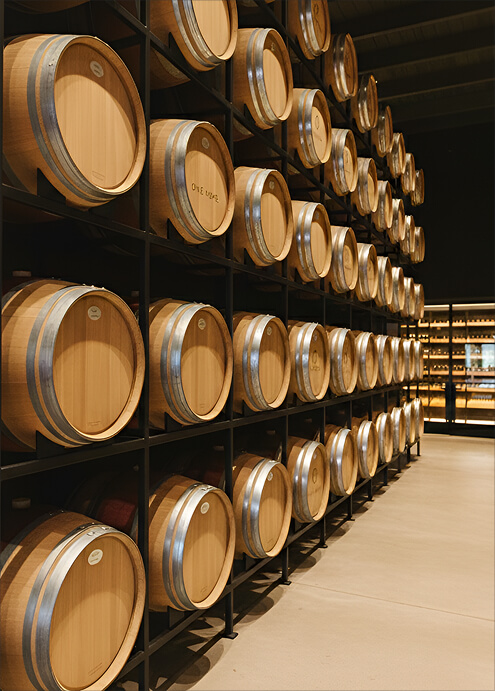
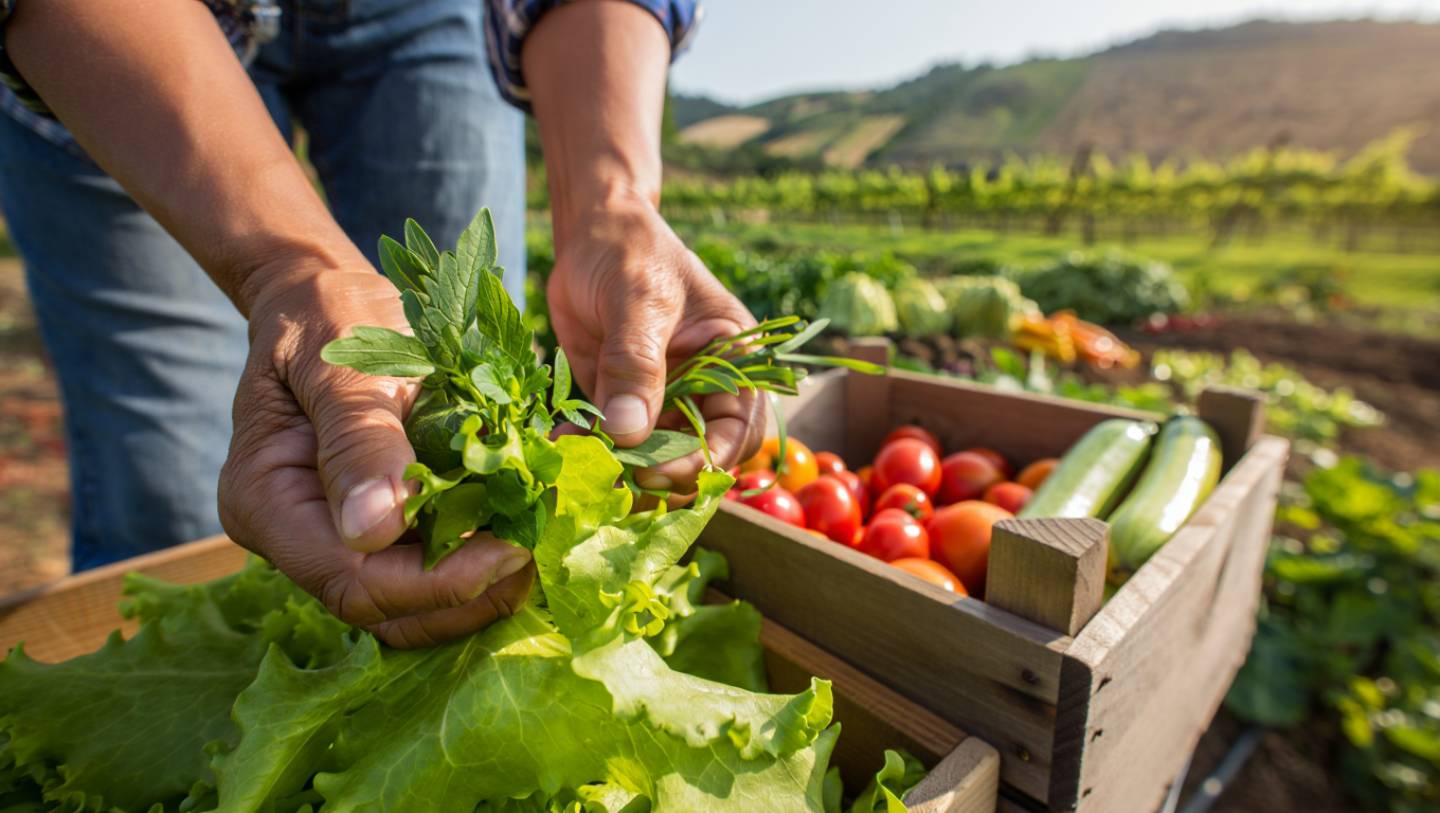
Napa Valley has always been an agricultural place first.
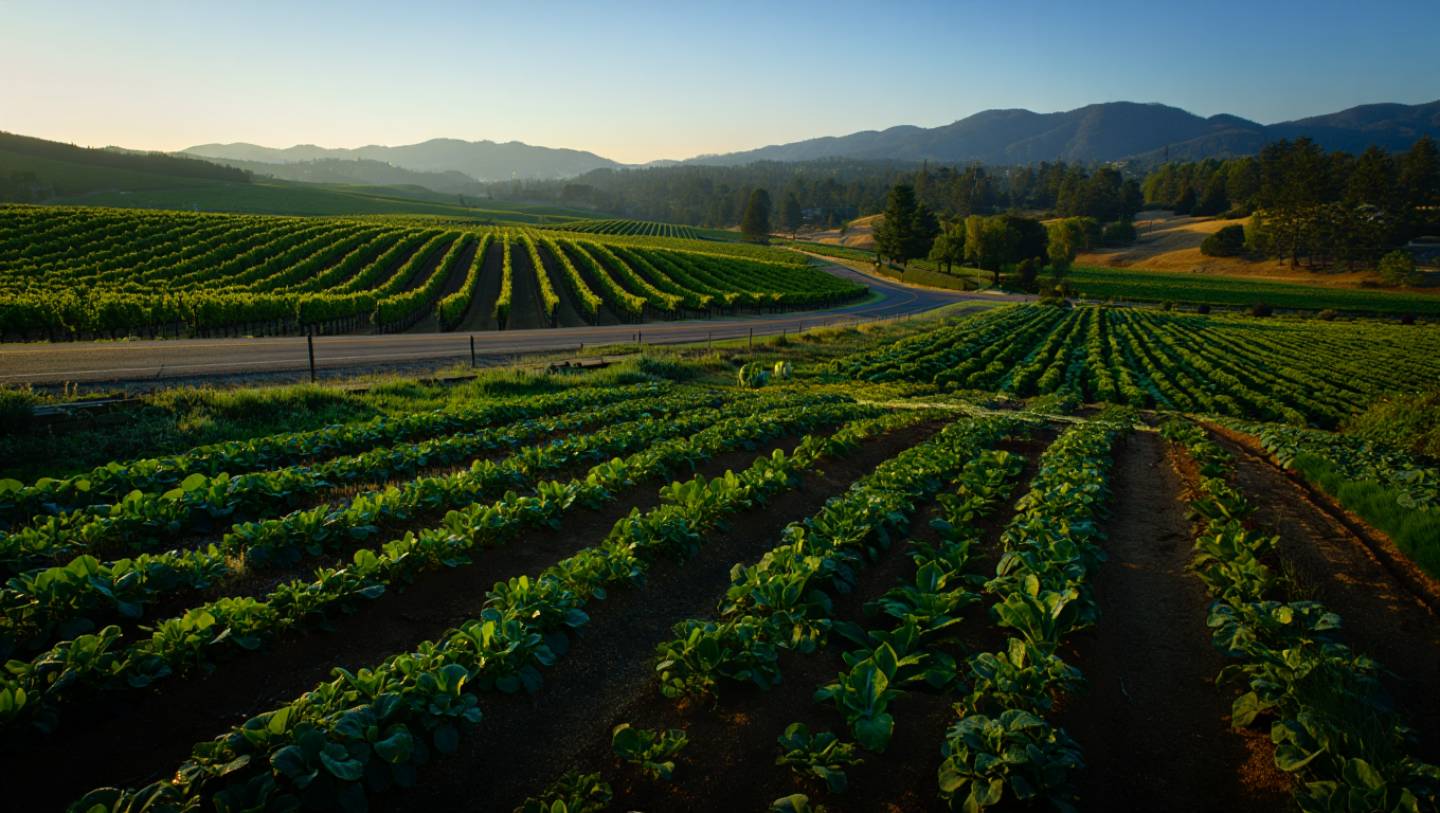
Long before tasting menus and vineyard tours, this valley was shaped by soil, seasons, and what could be grown well. For vegan and plant based travelers, that matters. It means Napa is not adapting to plant forward eating. It is returning to its roots.
Some of the most memorable meals here come from vegetables pulled that morning, olive oil pressed nearby, and kitchens that understand restraint. When you travel Napa plant based, you are not missing out. You are often closer to the point.
What This Experience Is Really About
Plant based travel in Napa is about alignment with the land.
Vegan and plant based travelers tend to value:
- Vegetables grown locally rather than imported substitutes
- Menus that change with the farm calendar
- Long meals that highlight technique and restraint
- Experiences rooted in place rather than performance
In Napa, vegetables are not an accommodation. They are often the most expressive voice at the table.
When It’s Best
Spring brings tender greens, peas, asparagus, and the first sense of the valley waking up.
Summer delivers tomatoes, squash, stone fruit, and herbs at their peak.
Fall offers mushrooms, roots, and slow roasted vegetables that anchor deeper flavors.
Cabernet season from late fall through early spring brings quieter dining rooms and more flexibility from chefs.
Midweek travel offers the most personal service and the easiest menu customization.
My Local Notes
Some of the most impressive meals I have had in Napa did not center on protein at all. They centered on vegetables treated with the same respect as wine. When friends visit who eat plant based, I plan the trip around where the food comes from, not what needs to be substituted.
A Plant Based Napa Valley Day
Morning: Starting at the Roots
Begin slowly.
Coffee and a walk come first. Walkable towns like Yountville or St Helena let you notice gardens, vines, and light without committing to a plan.
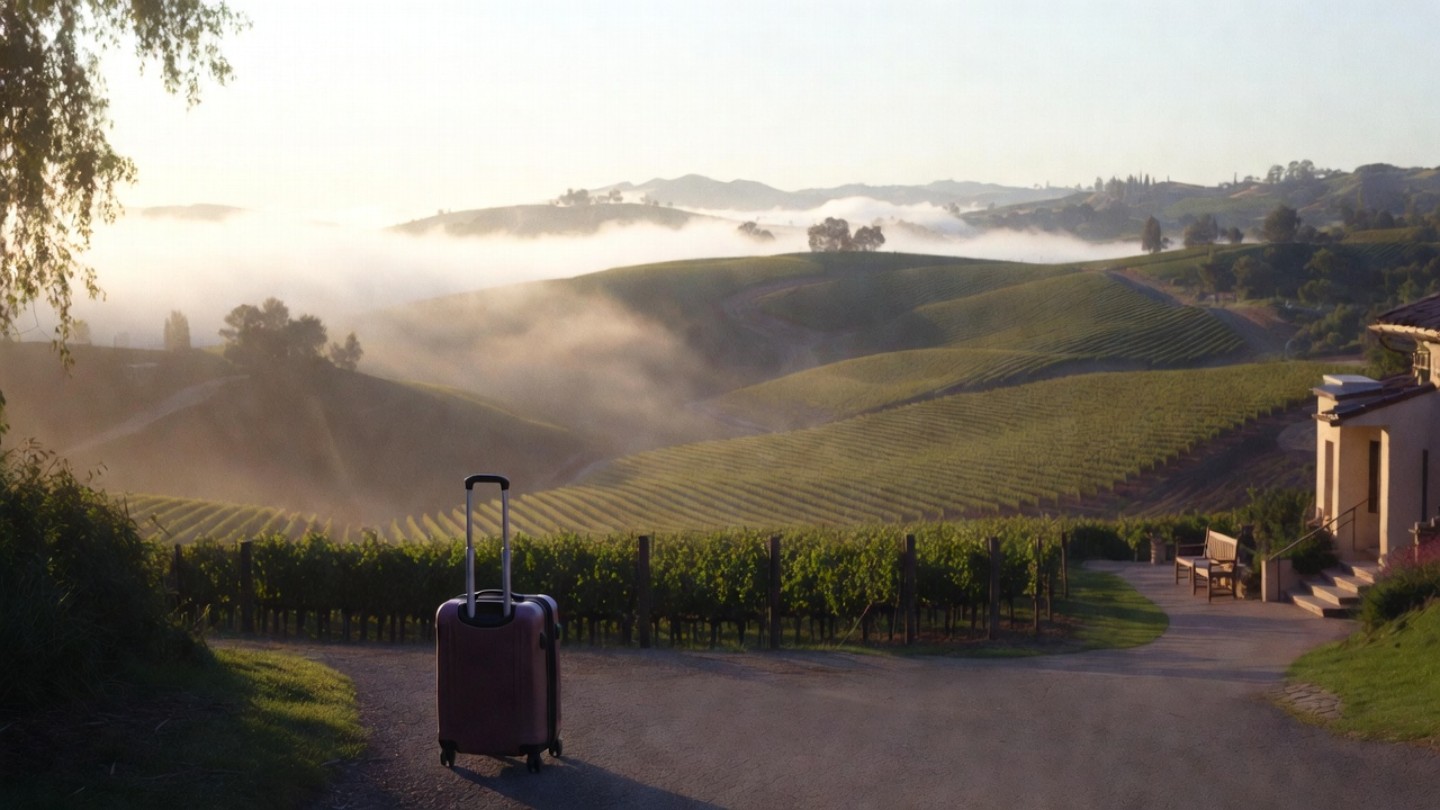
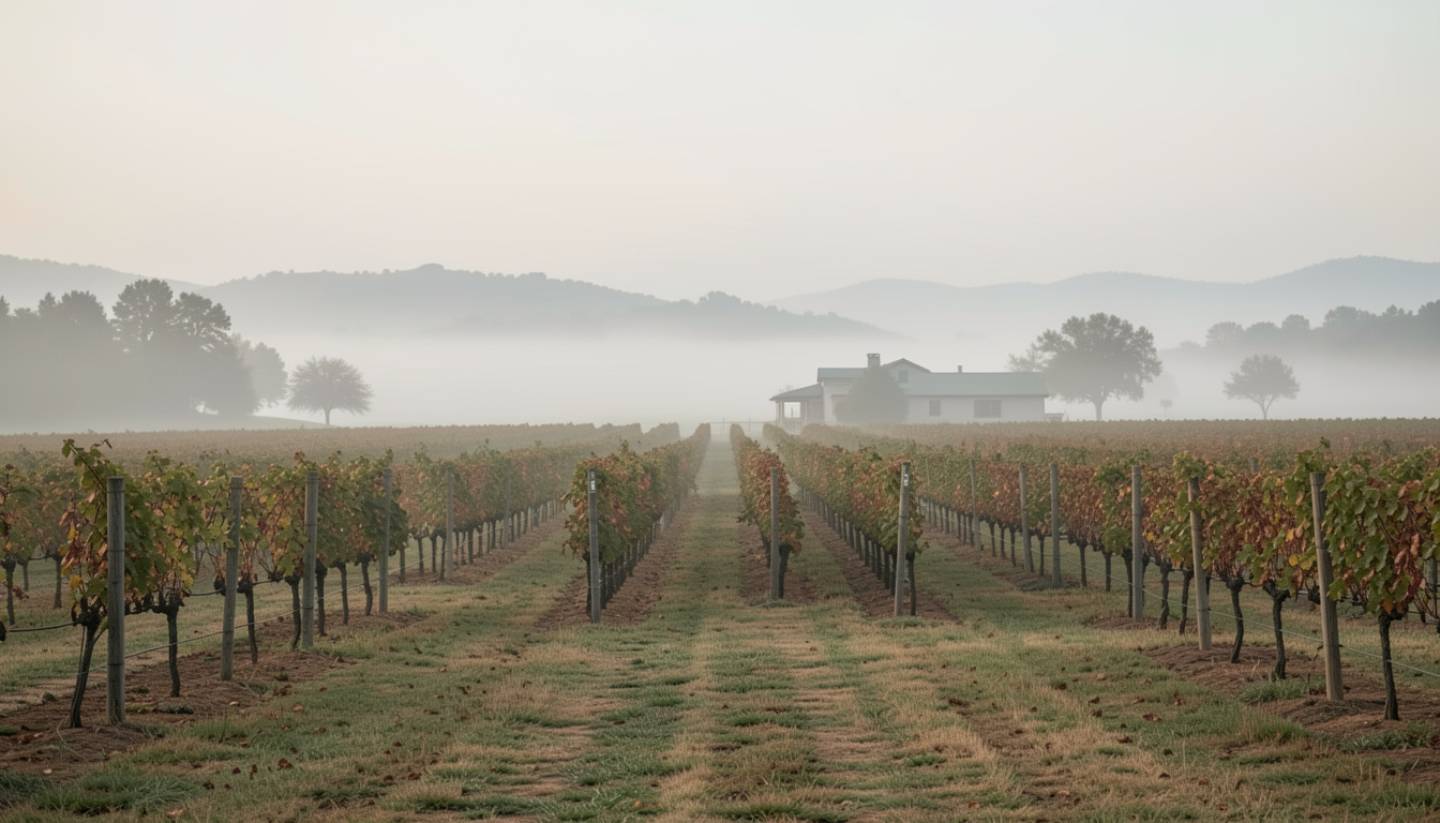
If you drive, take Silverado Trail just after sunrise. Watching the fog lift off the Rutherford benchlands is as nourishing as breakfast.
Late Morning: Place First Experiences
Choose experiences that emphasize land.
Some wineries focus as much on farming and gardens as on the cellar. Organic and biodynamic estates like Frog’s Leap often resonate deeply with plant based travelers because the agricultural story comes first.
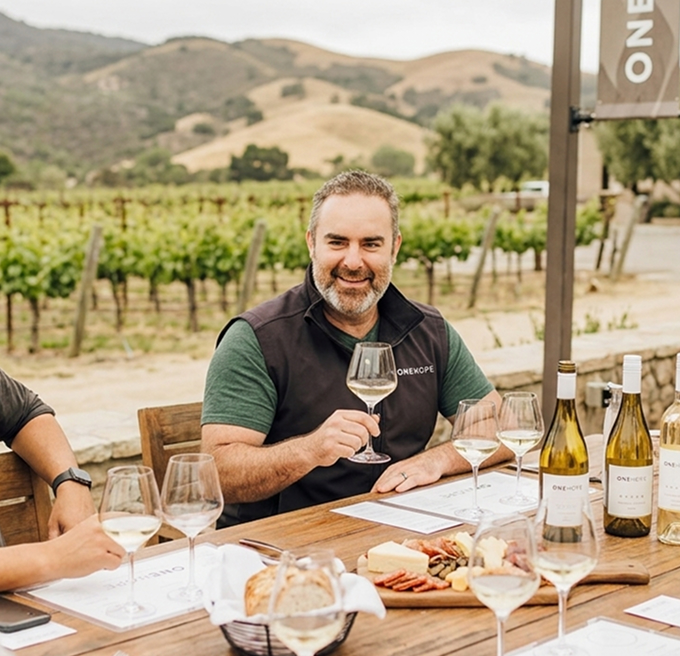
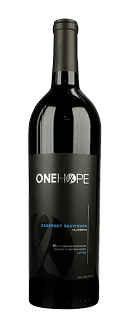
Estate 8, by invitation, reflects this same philosophy through ONEHOPE. Set into the Rutherford benchlands, the experience centers on shared tables, seasonal food, and purpose rooted in the land. Wine is present, but it does not lead the conversation.
Lunch: The Main Event
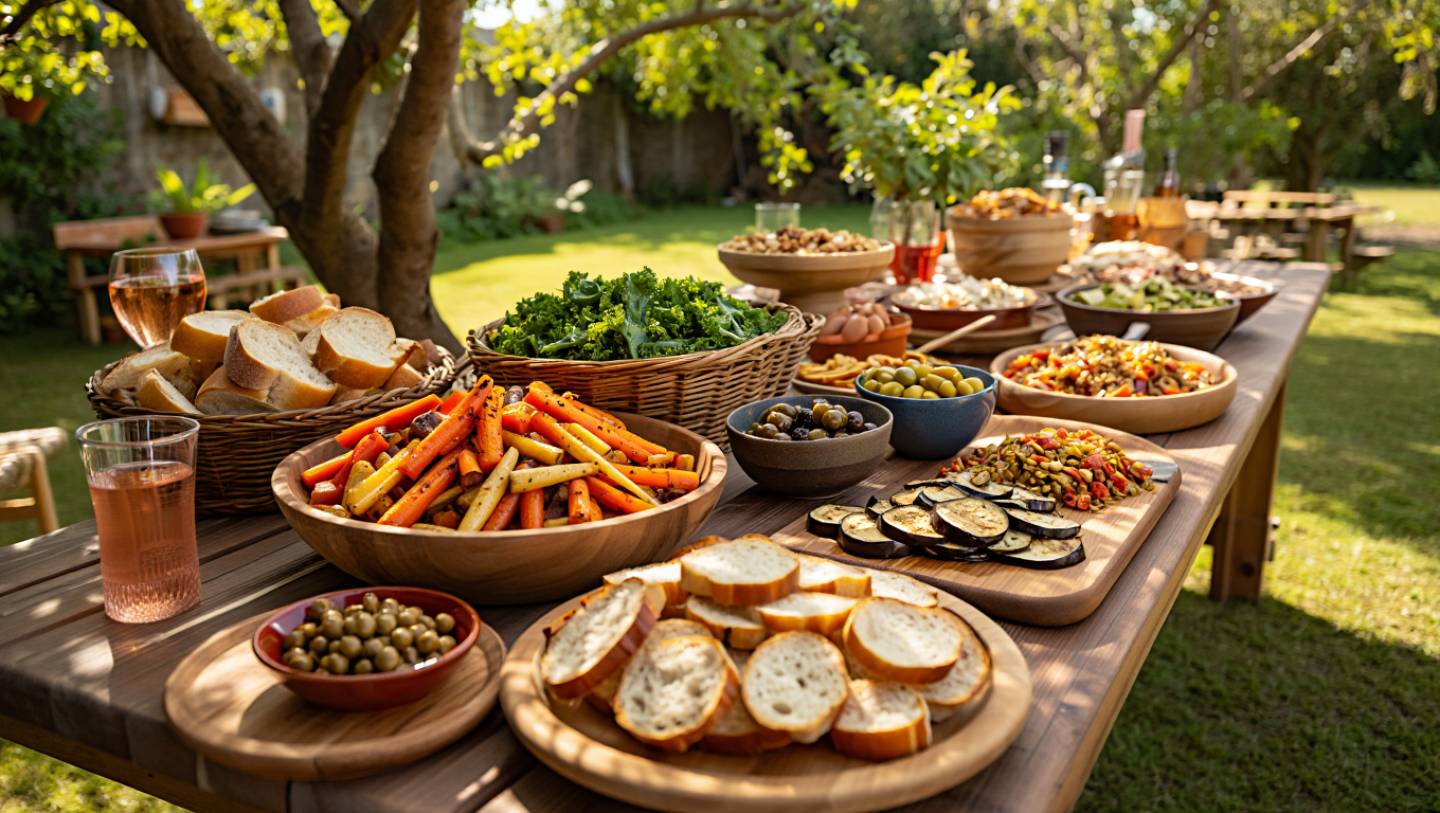
Lunch is where Napa truly shines for plant based travelers.
Restaurants like Charter Oak, Farmstead, and Brix understand vegetables as the anchor of the meal. Ask what came out of the garden that morning. Let the kitchen guide the pace. Long lunches allow the menu to unfold naturally without explanation or compromise.
Afternoon: Scenic Digestion
After lunch, leave space.
Wander Oxbow Public Market for casual plant forward options. Take a scenic drive north toward the base of Mount Saint Helena. Napa rewards digestion and reflection as much as activity.
Evening: Intentional Dining
Dinner should feel calm and considered.
Many Napa kitchens are comfortable creating thoughtful plant based tasting menus when given notice, especially midweek. Early reservations tend to bring quieter rooms and more attentive service.
Where to Stay
Choose accommodations that treat food as part of the experience, not just an amenity.
Hotels connected to gardens and strong culinary programs make plant based travel effortless. Bardessono in Yountville and Carneros Resort are well suited for this rhythm. Estate 8, by invitation, was created around shared meals and seasonal sourcing, where food reflects the land and time is built into the table.

What Most Visitors Get Wrong
They assume plant based eating in wine country means limitation.
In Napa, it often means clarity. When vegetables lead, the valley’s agricultural story comes into focus.
A Short Memory
One lunch stretched far longer than planned. Every dish came from the ground nearby. No one missed anything. The table felt complete without explanation. That is Napa at its most honest.