Traveling through Napa Valley with a dog changes the way you move.
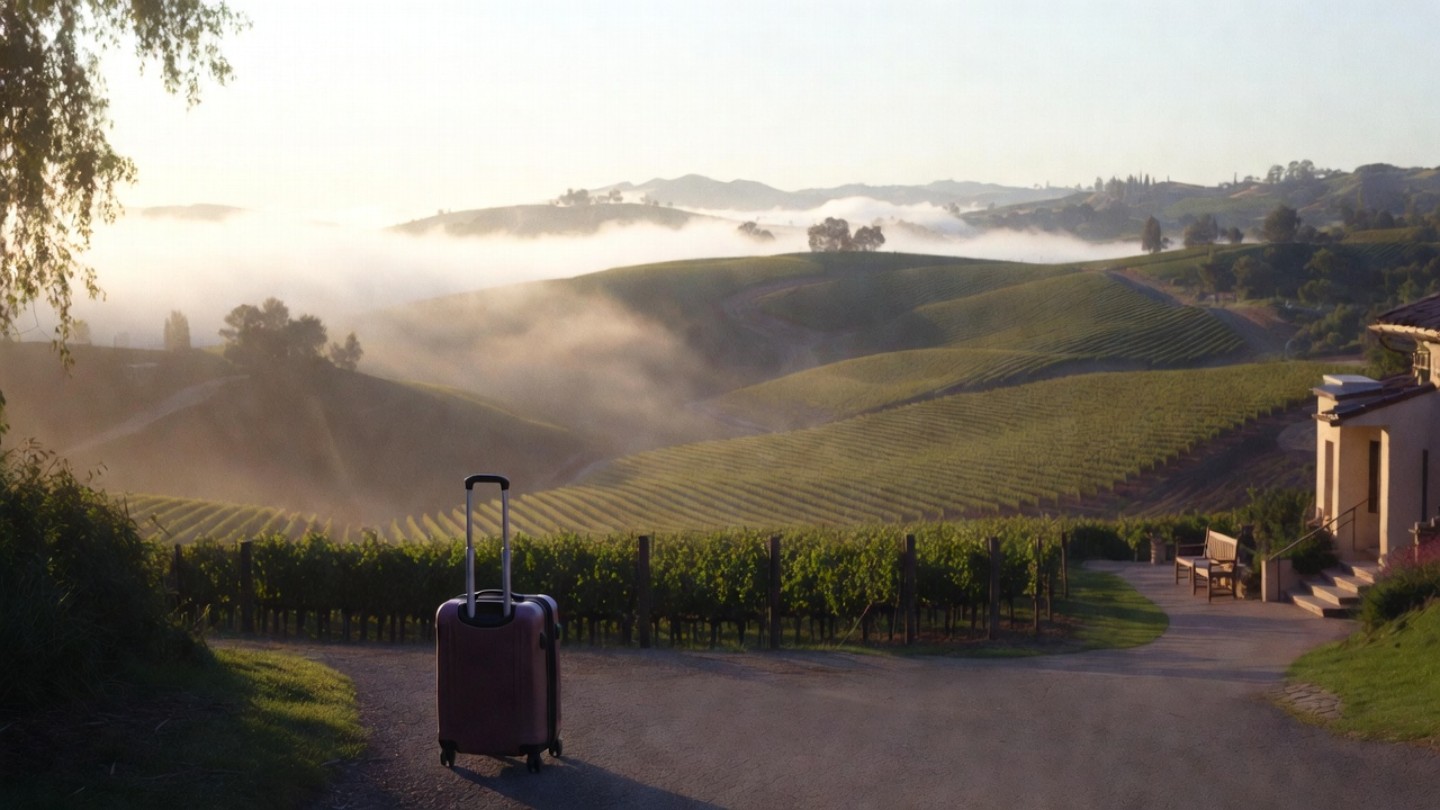
Mornings start earlier as the fog lifts off the Rutherford benchlands. Walks replace rushed drives. Meals stretch outside on patios instead of inside dining rooms. You begin to notice shade, water bowls, and how the road feels beneath the tires.
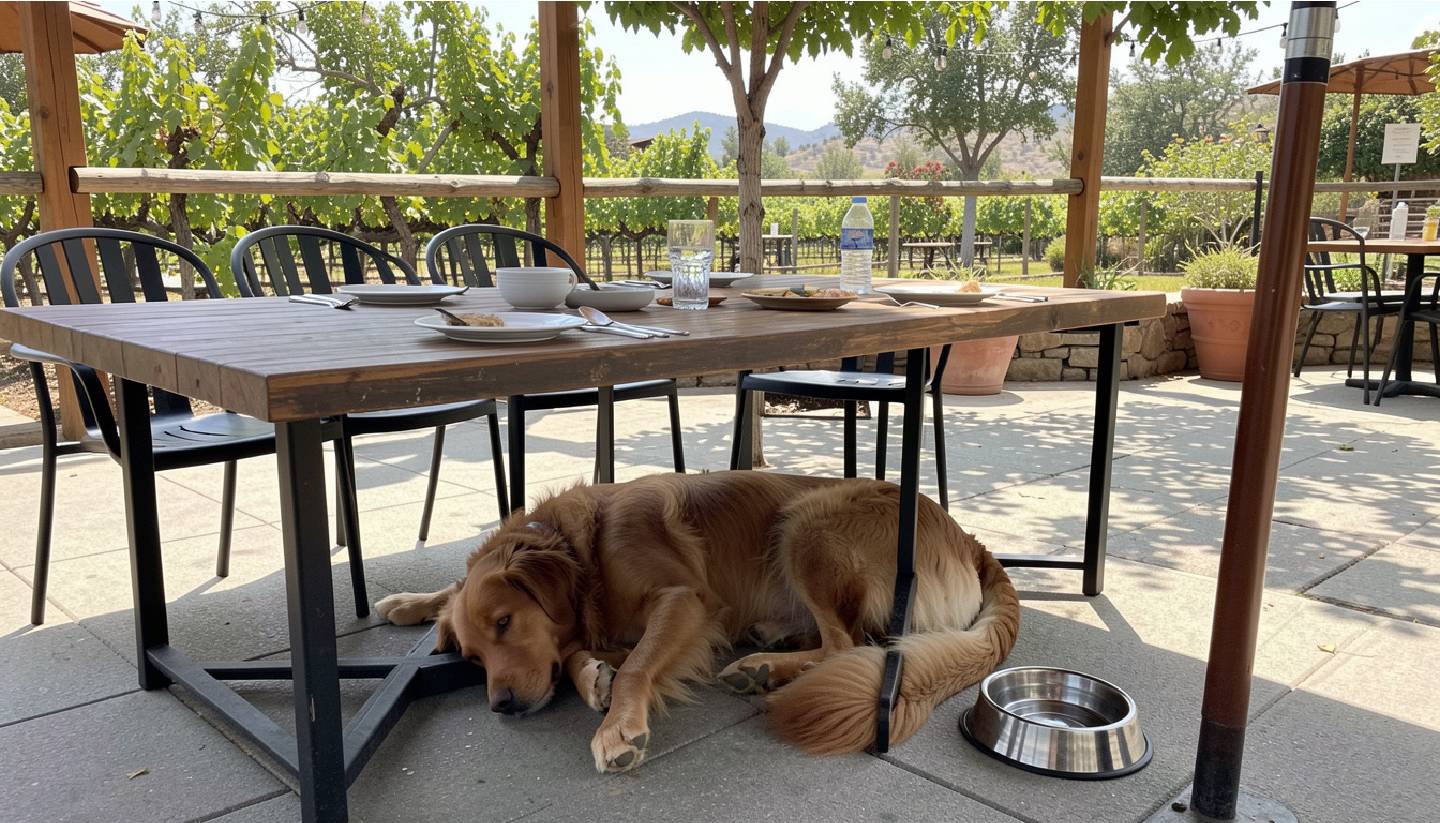
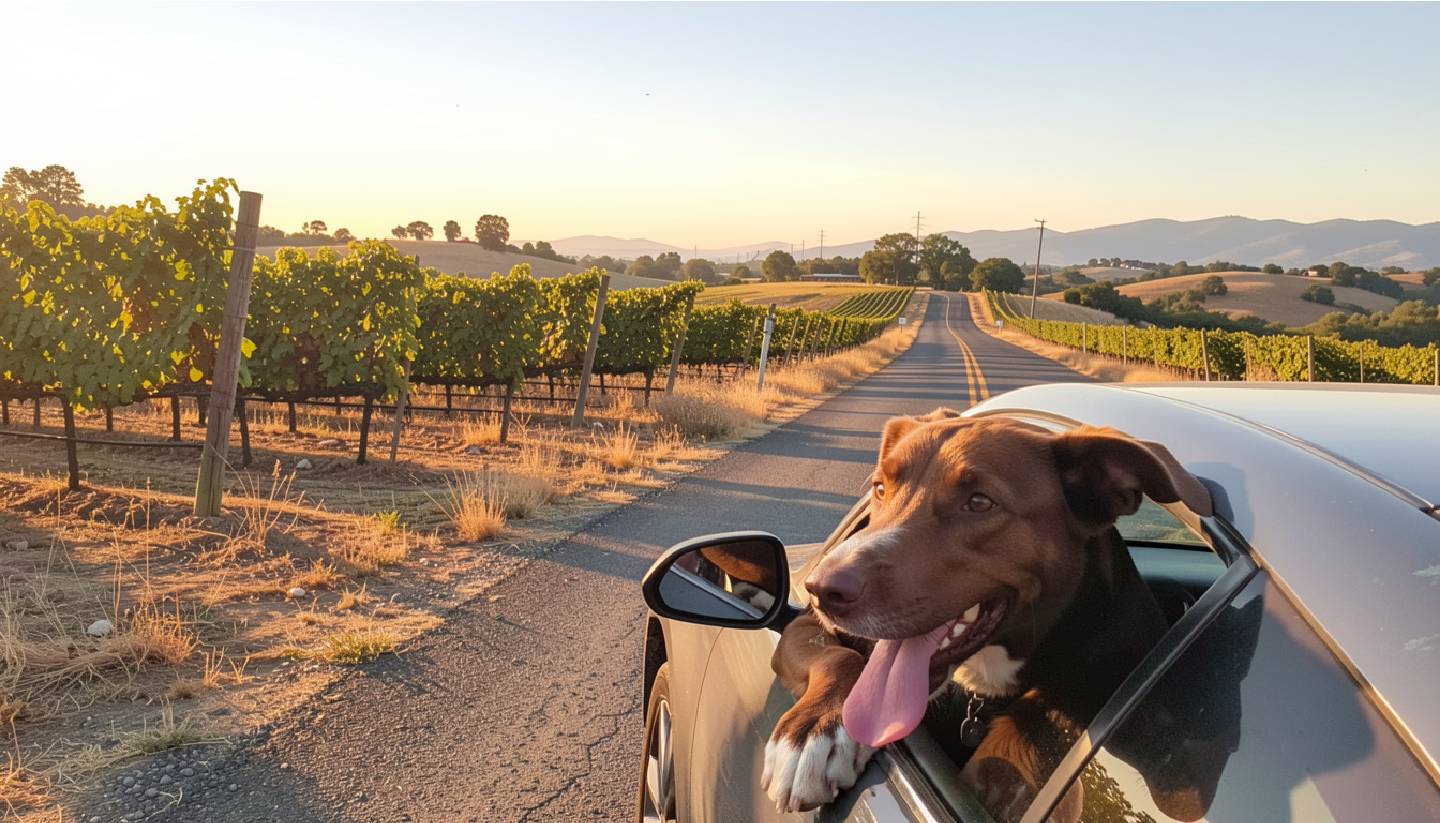
For many of us who live here, dogs are already part of daily Napa life. They wait patiently under tables, ride along Silverado Trail, and nap while conversations unfold. When you travel Napa with your dog, the valley naturally asks you to slow down. That is not a compromise. It is an upgrade.
What This Experience Is Really About
Traveling Napa with a dog is about shared presence.
Dog friendly travelers tend to value:
- Walkable towns with flat paths and shade
- Patios, gardens, and open air settings rooted in the valley’s agricultural rhythm
- Scenic drives like Silverado Trail that feel calm rather than congested
- Flexible pacing that allows for rest, water breaks, and quiet moments
Your dog becomes the clearest signal for when to pause and when to move on.
When It’s Best
Midweek travel offers the calmest patios and the most flexibility from hospitality teams.
Spring and fall bring comfortable temperatures for walking and outdoor meals.
Cabernet season from late fall through early spring is especially good for dogs, with cooler air, quieter roads, and fewer crowds.
Avoid hot summer afternoons. Early mornings and early evenings are your allies.
My Local Notes
Some of my favorite Napa days have included a dog asleep under the table and no agenda beyond the next walk. Dogs pull you toward a truer version of the valley, one that values rhythm over reach. That version is usually the one people remember most.
A Dog Friendly Napa Valley Day
Morning: Walk First
Start with a walk before anything else.
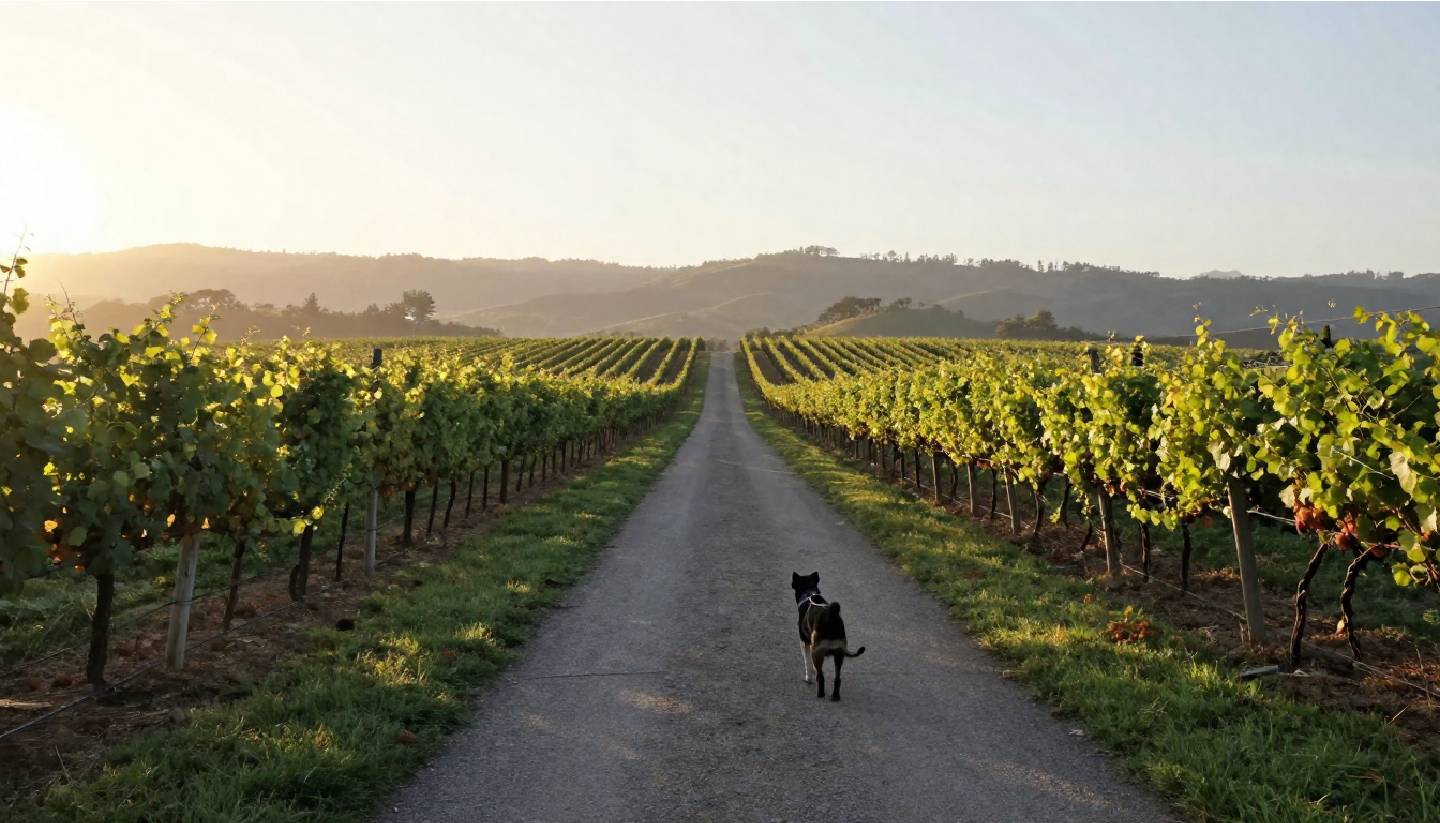
Yountville’s path along Washington Street and the Napa Valley Vine Trail offer flat, scenic routes with vineyard views and early morning quiet.
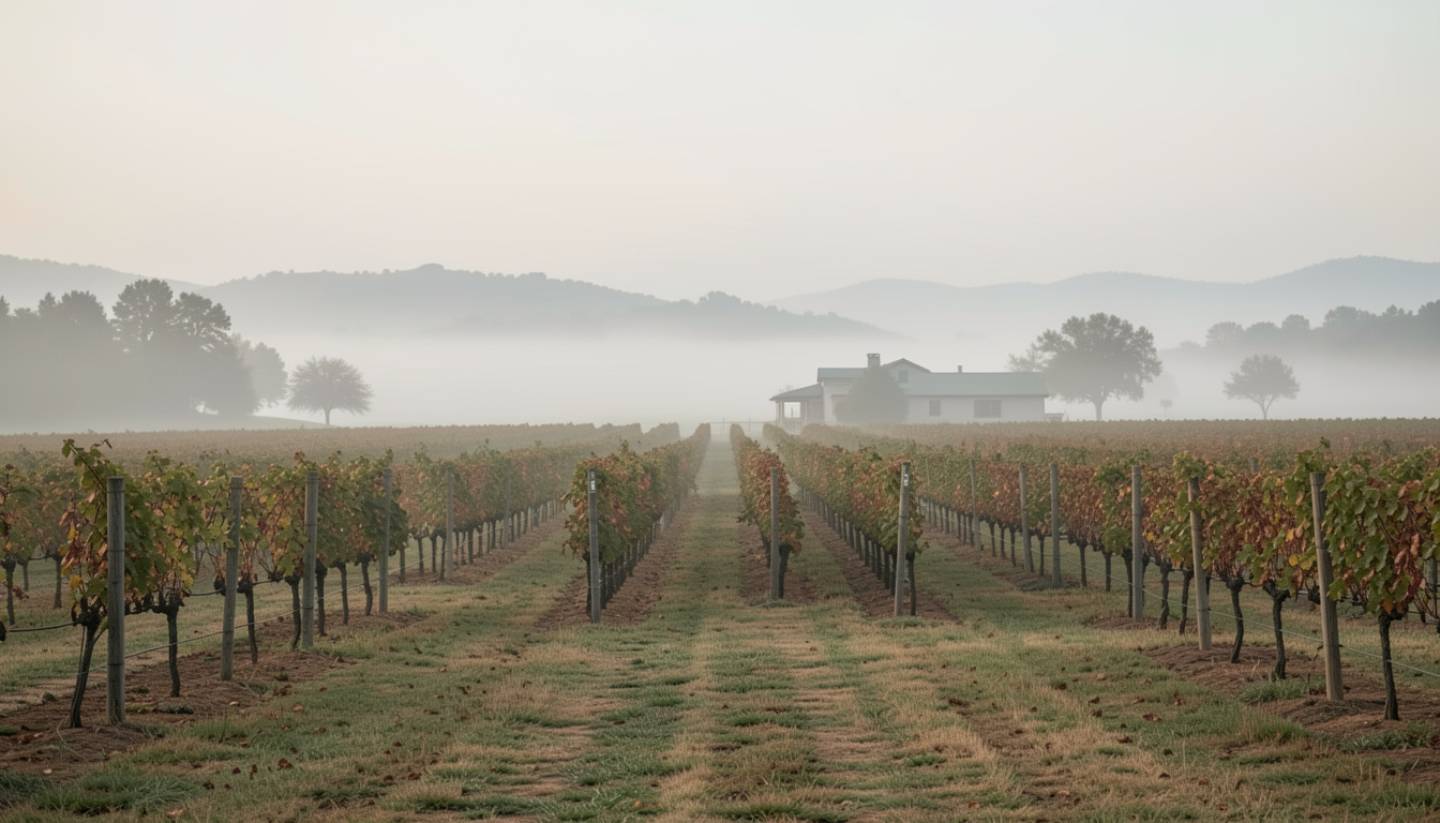
If you are in Yountville, head toward Yountville Cross Road for open sightlines and a gentle start as the fog lifts off the vines.
Coffee comes after the walk, not before.
Late Morning: One Thoughtful Stop
Choose one experience that welcomes dogs outdoors.
Some wineries allow dogs on patios or lawns by appointment. Smaller, appointment only properties are usually the most accommodating. Always call ahead and confirm expectations.
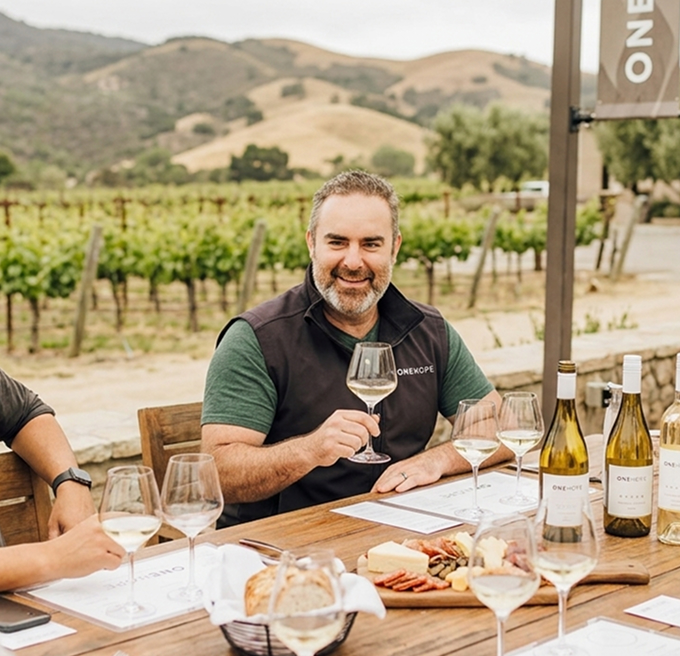
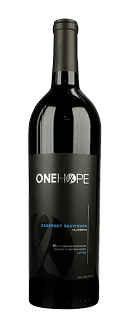
Estate 8, by invitation, reflects a naturally dog friendly rhythm through ONEHOPE. Set into the Rutherford benchlands, the experience emphasizes open space, long views, and unhurried pacing. Dogs fit easily into the flow because the day is built around being outside.
Lunch: The Patio Rule
Lunch should always be outside.
Farmstead, Charter Oak, and Brix all offer generous patio space where dogs are typically welcome during daytime hours.
Aim for shoulder times, around one thirty in the afternoon, when patios are quieter and shade is easier to find. Bring a portable water bowl and let the table settle.
Afternoon: Movement Over Mileage
After lunch, choose movement that does not require leaving your dog behind.
A scenic drive along Silverado Trail keeps the afternoon calm. A slow stroll through St Helena or the outdoor areas around Oxbow Public Market works just as well.
Skip anything that requires extended indoor time.
Evening: Simple and Close
End the day close to where you are staying.
Many dog friendly travelers opt for an early patio dinner, room service, or a quiet glass by a hotel fire pit. Outdoor lounges and courtyards often feel more welcoming than formal dining rooms.
Where to Stay With a Dog
Choose accommodations where outdoor space feels like part of the room.
Cottages, patios, and ground level access make everything easier. Properties like Carneros Resort and Stanly Ranch are designed for this kind of movement.
Estate 8, by invitation, was created for shared experiences. Quiet mornings, space to walk without leaving the property, and evenings that unfold outdoors define the stay.
Always confirm pet policies, size limits, and any fees before booking.
What Most Visitors Get Wrong
They try to keep the same pace they would without a dog.
Napa with a dog works best when you do less. One winery. One long meal. One good walk. The valley feels fuller that way.
A Short Memory
One afternoon, the highlight was not a tasting. It was sitting outside, watching our dog fall asleep under the table while the light shifted across the vines. That moment stayed longer than any label.