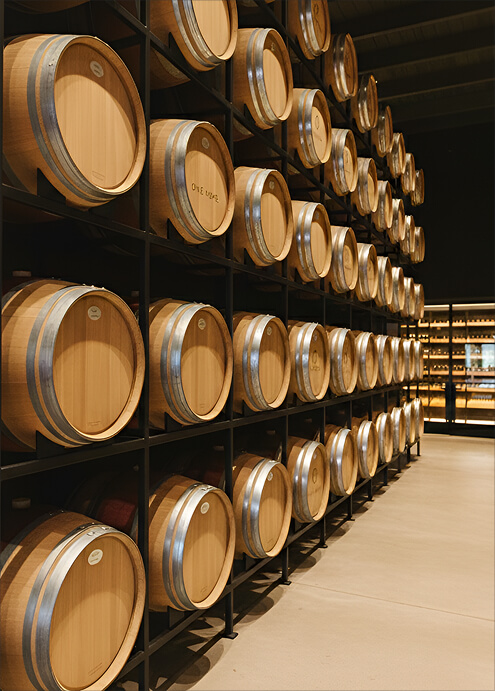
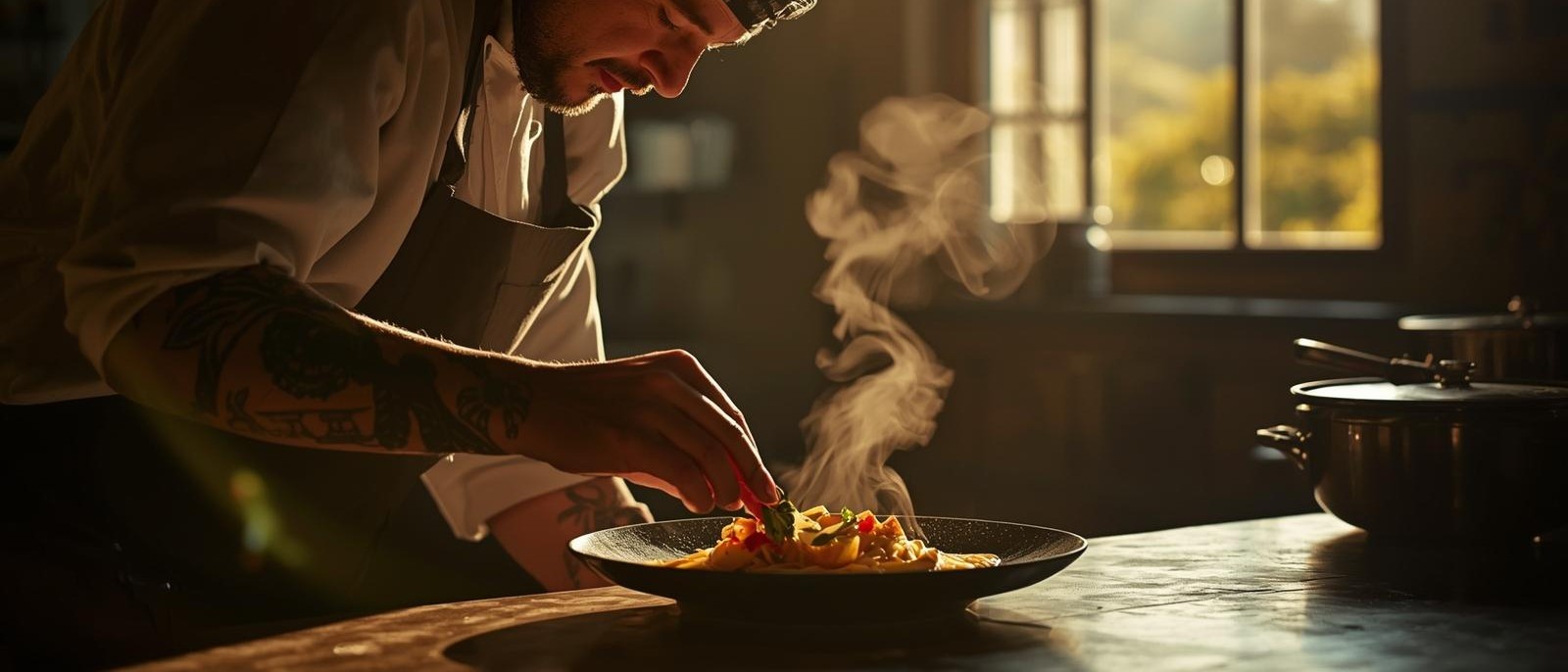
In Napa Valley right now, the food feels quieter in the best way. Less performance. More confidence. The kind that comes from knowing exactly where your ingredients came from and how they will meet the wine in the glass.
The chefs shaping Napa today are telling stories through restraint. Hyper seasonal menus. Relationships with ranchers and farmers. Cooking that honors terroir instead of competing with it. This is a moment of confident refinement, and you can taste it across the valley.
What This Experience Is Really About
Great Napa chefs cook with wine in mind. They understand how Cabernet tannin reacts to fat, how acidity brightens texture, how pacing matters as much as flavor. Their menus leave room for conversation, for silence, for the table to slow down.
This is not trend driven cooking. It is place driven leadership.
The Chefs Defining Napa Valley Right Now
Thomas Keller – The French Laundry (Yountville)
The Legend: The only American born chef with two three star Michelin restaurants, Keller’s devotion to classic French cuisine and impeccable guest service remains the gold standard.
The Legacy: His kitchen is a foundational beacon for Napa Valley dining. Many of today’s culinary leaders trained here before opening acclaimed restaurants of their own.
Local directional cue: Located in the heart of Yountville at 6640 Washington Street, the historic river rock building sits just a short walk from boutique hotels like Bardessono.
Philip Tessier – PRESS Restaurant (St. Helena)
Modern American Master: Tessier earned a Michelin star by celebrating the people, ingredients, and wines of Napa Valley.
The Experience: A contemporary farmhouse setting with a large brick hearth used for ember grilling, designed specifically for Cabernet driven menus.
Local directional cue: Situated at 587 Saint Helena Highway South, PRESS sits on the southern edge of St. Helena just north of the Zinfandel Lane intersection.
Christopher Kostow – The Charter Oak (St. Helena)
The Grounded Approach: A three star Michelin chef offering a celebratory, family style experience centered on vegetables from the restaurant’s 3.5 acre farm.
Why it works: This is everyday Napa cooking at an elite level. Wood fire. Simple technique. Local wines. A room that feels alive without feeling formal.
Rogelio Garcia – Auro at Four Seasons Napa Valley (Calistoga)
Rising Visionary: A 2024 James Beard finalist, Garcia earned a Michelin star just eight months after opening Auro.
The Craft: His seven course tasting menu called oro blends classical French technique with Japanese and Mexican influences, all grounded in Napa sourcing.
Seasonal note: Spring and early summer menus here are especially expressive.
Ken Frank – La Toque (Napa)
The Veteran: A Napa fixture since the mid 1970s, Frank’s cooking remains relevant through quiet evolution and deep respect for French tradition.
Wine pairing passion: The kitchen and sommelier teams taste together daily to find combinations that elevate both food and wine.
Seasonal Culinary Guide
Winter (November to March): Cabernet season. The quietest time in Napa. Root vegetables, braised meats, and excellent access to sought after restaurants.
Spring (April to mid May): Mustard bloom and bud break. Lighter menus featuring goat cheese, asparagus, shellfish, and bright whites.
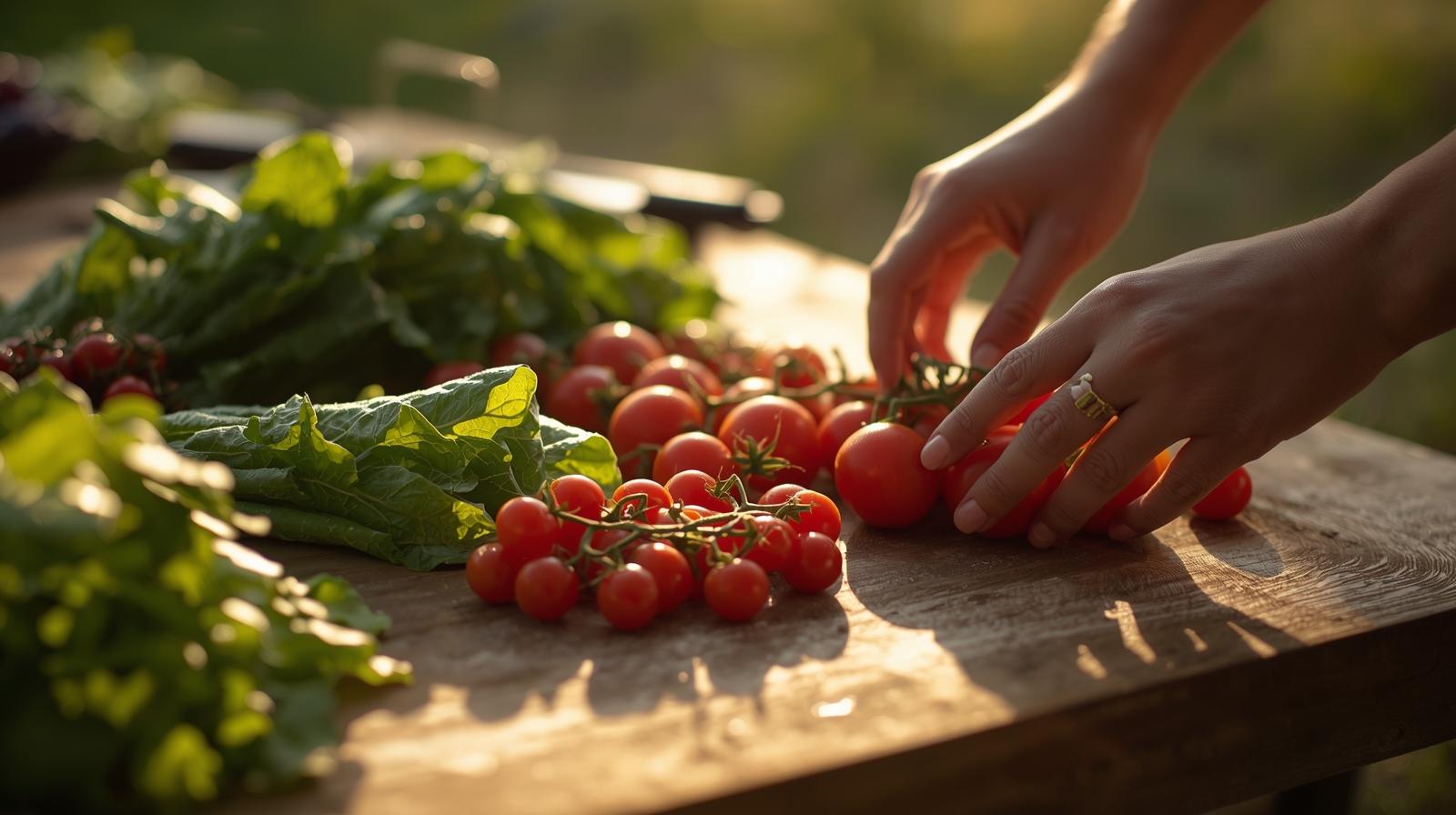
Summer (Late May to October): Garden driven cooking. Farmers markets at their peak. Early morning harvests often appear on the plate the same day.
Fall (August to October): Harvest season. The valley feels electric. Menus built for bold reds and the richness of the crush.
How to Make It Memorable
- Book midweek, especially Tuesday or Wednesday
- Trust the pairing when offered
- Ask what wine inspired the dish
- Plan transportation in advance
One of my favorite Napa meals ended with the chef stopping by just to talk about how the wine shifted as it warmed in the glass. That kind of attention stays with you.
A Gentle Personal Note
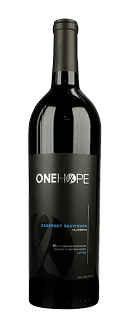
I am admittedly biased. This is my world. At ONEHOPE and Estate 8, we obsess over how food and wine meet. I have watched chefs rethink a dish entirely because a wine needed more space. That sensitivity is what defines Napa’s culinary leaders right now.