There is a certain kind of quiet you feel in a truly healthy vineyard.
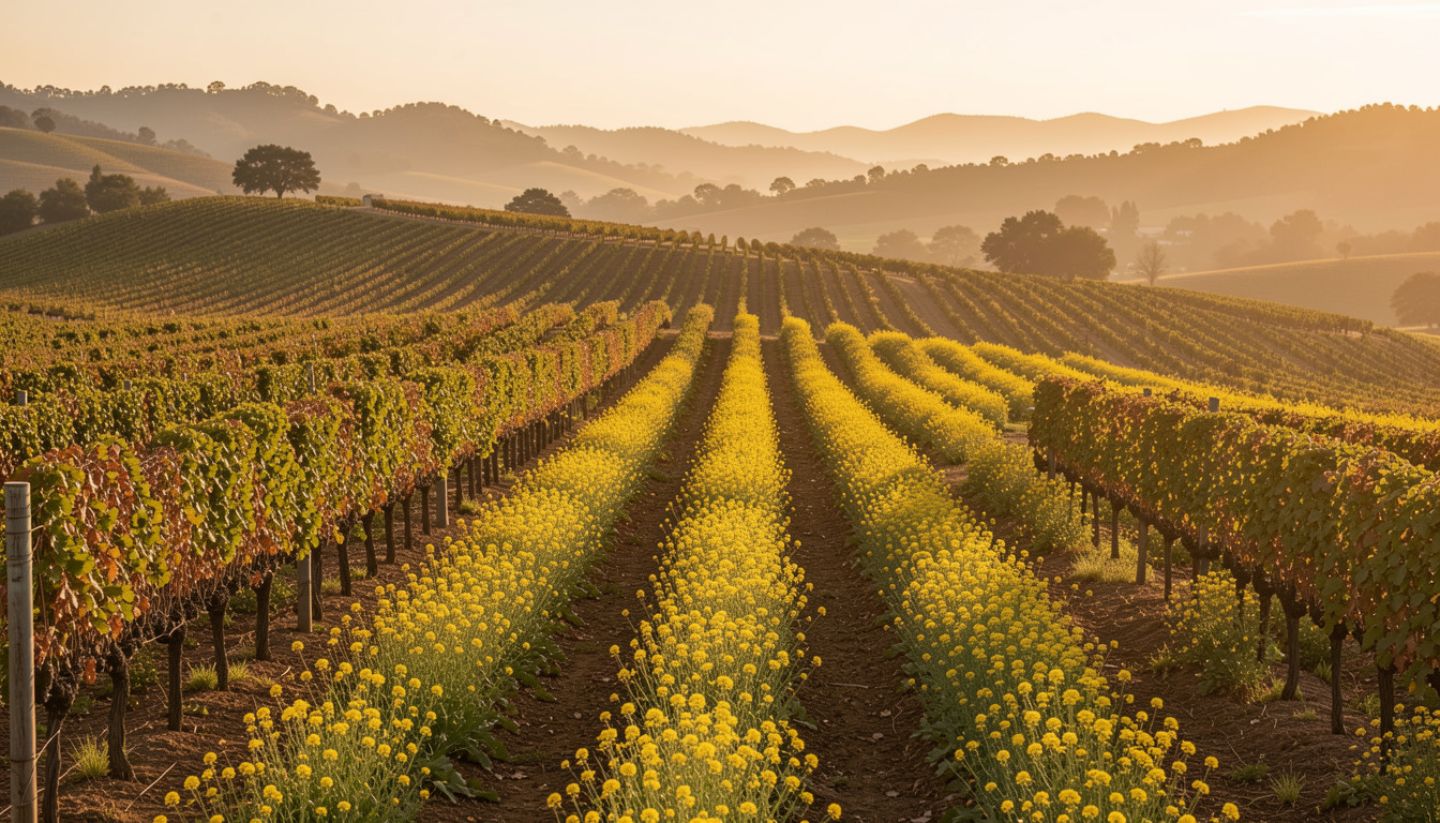
Not the postcard kind. The real kind. Cover crops moving in the breeze. Bees working the mustard flowers. Damp soil that smells sweet after a winter rain. Vines that look steady, not stressed.
I grew up in Napa, and one thing the valley teaches you early is this: great wine starts long before the tasting room. It starts with how the land is treated when nobody is watching. Organic wineries, biodynamic estates, and regenerative growers are not chasing a trend. They are rebuilding the valley one season at a time.
If your version of luxury includes clean farming, long lunches, and a glass of Cabernet that feels honest, this is where to begin.
What “Organic,” “Biodynamic,” and “Regenerative” Mean in Napa
These terms get used loosely, so here is the Napa version, plain and simple.
Organic vineyards
Typically means:
- No synthetic herbicides, pesticides, or fertilizers
- Soil health prioritized through composting, cover crops, and beneficial insects
- Often certified, but not always (some small producers farm organically without paying for certification)
Look for: the CCOF (California Certified Organic Farmers) seal when certification is mentioned.
Biodynamic farming
Biodynamic takes the ecosystem approach even further:
- The vineyard is treated as a living, self-sustaining organism
- Natural preparations are used to build vitality and resilience
- Farming choices may align with seasonal and lunar cycles
Look for: Demeter certification when a winery is formally biodynamic.
Regenerative organic
This is where a lot of Napa’s most forward-thinking growers are headed now:
- soil health and carbon capture
- biodiversity and water responsibility
- long-term resilience for both land and people
Look for: ROC (Regenerative Organic Certified) when it is listed.
Local note: some of the best land stewards in Napa will never lead with any of these labels. They will just quietly show you the cover crops, point out the owl boxes, and let the wine do the talking.
The Best Organic and Biodynamic Wineries in Napa (Worth Visiting)
Frog’s Leap Winery (Rutherford)
If there is one winery that comes up again and again when people ask about organic wineries in Napa, it is Frog’s Leap. They have been farming organically for decades, and it has always felt less like a marketing decision and more like a philosophy.
Why it is worth it:
- Dry farming that pushes roots deep into the Rutherford bench
- A relaxed, welcoming tasting experience that feels like Napa before it got loud
The vibe: sunny, calm, front-porch Napa hospitality.
Local vocabulary tip: You will hear people say “Rutherford dust” like it is a flavor. Spend an afternoon here and you will understand why.
Quintessa (Rutherford / Silverado Trail)
Quintessa is what happens when regenerative thinking meets high-design hospitality. The property feels like a natural amphitheater of vineyard, oak woodland, and water, all woven together.
Why it is worth it:
- Biodynamic and regenerative practices that show up in the energy of the wines
- An experience that feels intentional without feeling forced
The vibe: quiet luxury, architecture that respects the land.
My local note: Silverado Trail-side vineyards often feel more spacious and less hectic than Highway 29. If you want Napa without the traffic stress, plan your day on the Trail.
Grgich Hills Estate (St. Helena Highway)
Grgich is a legacy Napa name, and it still carries real weight. What I respect most is that the sustainability story is not new here. It is been part of the estate mindset for a long time.
Why it is worth it:
- Serious commitment to organic farming and soil health
- Wines that connect Napa history to Napa’s future
The vibe: classic, unpretentious, steady.
Spottswoode (St. Helena)
Spottswoode is Napa’s quiet greatness. Tucked into St. Helena, it is the kind of place that reminds you Napa is still a small town at heart, even when it is hosting the world.
They have farmed organically for decades, and the wines show it. Not flashy. Just precise and deeply alive.
Why it is worth it:
- Organic farming paired with some of the most respected Cabernet in the valley
- A true estate experience that feels personal
The vibe: intimate, human-scale, quietly iconic.
Neal Family Vineyards (Howell Mountain)
If you want the deep end of regenerative Napa, Neal is worth the drive up the hill. Howell Mountain is rugged by nature. The roads get narrower, the air gets cooler, and you feel how much farming up there asks of a person.
Why it is worth it:
- A standout for regenerative commitment and mountain integrity
- Wines that feel structured, wild-edged, and honest
The vibe: educational, authentic, mountain-grown.
Local note: Give yourself extra time getting up and down Howell Mountain. It is beautiful, but it is not a quick hop.
CADE Estate (Howell Mountain)
CADE is a modern expression of mountain Napa. Sustainability here shows up both in the vineyards and in how the place is built and run.
Why it is worth it:
- Organically farmed mountain vineyards
- A tasting experience designed to be immersive without feeling stiff
The vibe: clean-lined, elevated, mountain air and big views.
A Short Personal Micro-Story
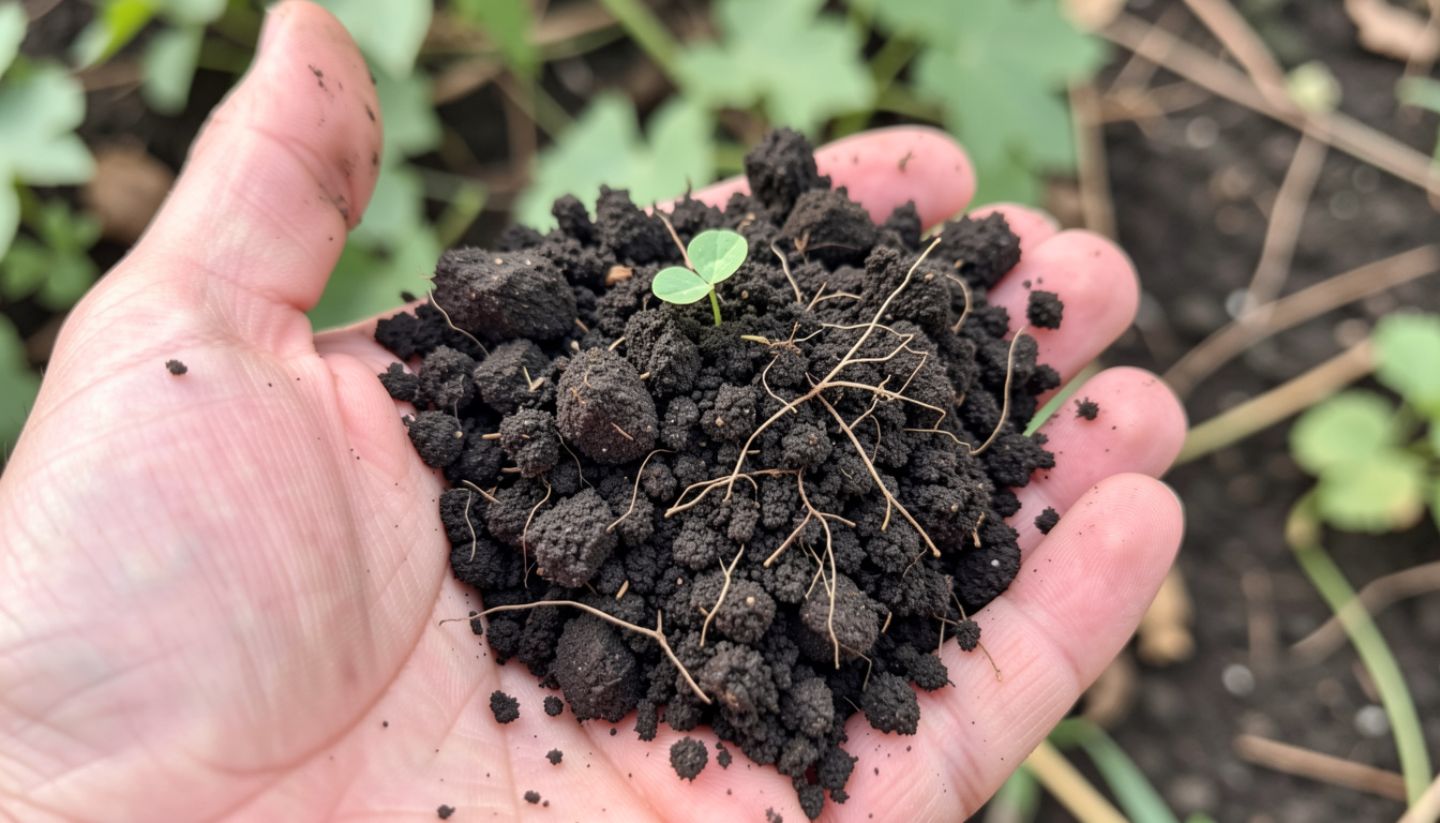
The first time I really understood organic farming was not in a tasting room. It was standing at the edge of a vineyard after a rain, watching a vineyard manager crouch down and crumble soil between his fingers like it was something precious.
He said, “If this is alive, everything else gets easier.”
That line stayed with me. In Napa, the best growers do not act like they own the land. They act like they are borrowing it from the next generation.
How to Plan a Sustainable Napa Day (A Local Loop That Actually Feels Like Vacation)
If you are trip planning and want a day that leans organic, biodynamic, and regenerative without feeling like a checklist, here is a simple rhythm.
The Rutherford and St. Helena Loop
Morning tasting: Frog’s Leap (Rutherford)
Start somewhere warm and grounded. Walk the gardens. Let the day open slowly.
Lunch: Farmstead at Long Meadow Ranch (St. Helena)
This is one of my favorite “full-circle” stops in the valley. Great food, relaxed energy, and the kind of place that makes you want to linger.
Afternoon tasting: Quintessa or Spottswoode
- Quintessa if you want landscape, architecture, and a deep dive into stewardship
- Spottswoode if you want classic Napa Cabernet with a true estate feel
Golden hour: Silverado Trail drive south
This is the reset. Less traffic. More open space. The valley feels softer out there.
Local tip: two tastings and a long lunch will almost always beat four tastings and a rushed sandwich. Napa rewards restraint.
Where to Stay for an Earth-First Napa Weekend
If sustainability matters to you, choose lodging that supports the same kind of thinking: fewer rooms, thoughtful design, walkability, and a calmer pace.
Best home bases for a sustainable Napa itinerary:
- St. Helena: charming, central, easy to pair with Rutherford and up-valley tastings
- Yountville: food-forward and walkable, great for couples
- Downtown Napa: best for variety, restaurants, and a more local everyday feel
Tip for trip planning: stay north if most of your tastings are in Rutherford, Oakville, and St. Helena. You will spend less time driving and more time actually being here.
Are the Best Organic and Biodynamic Wineries in Napa Open Late?
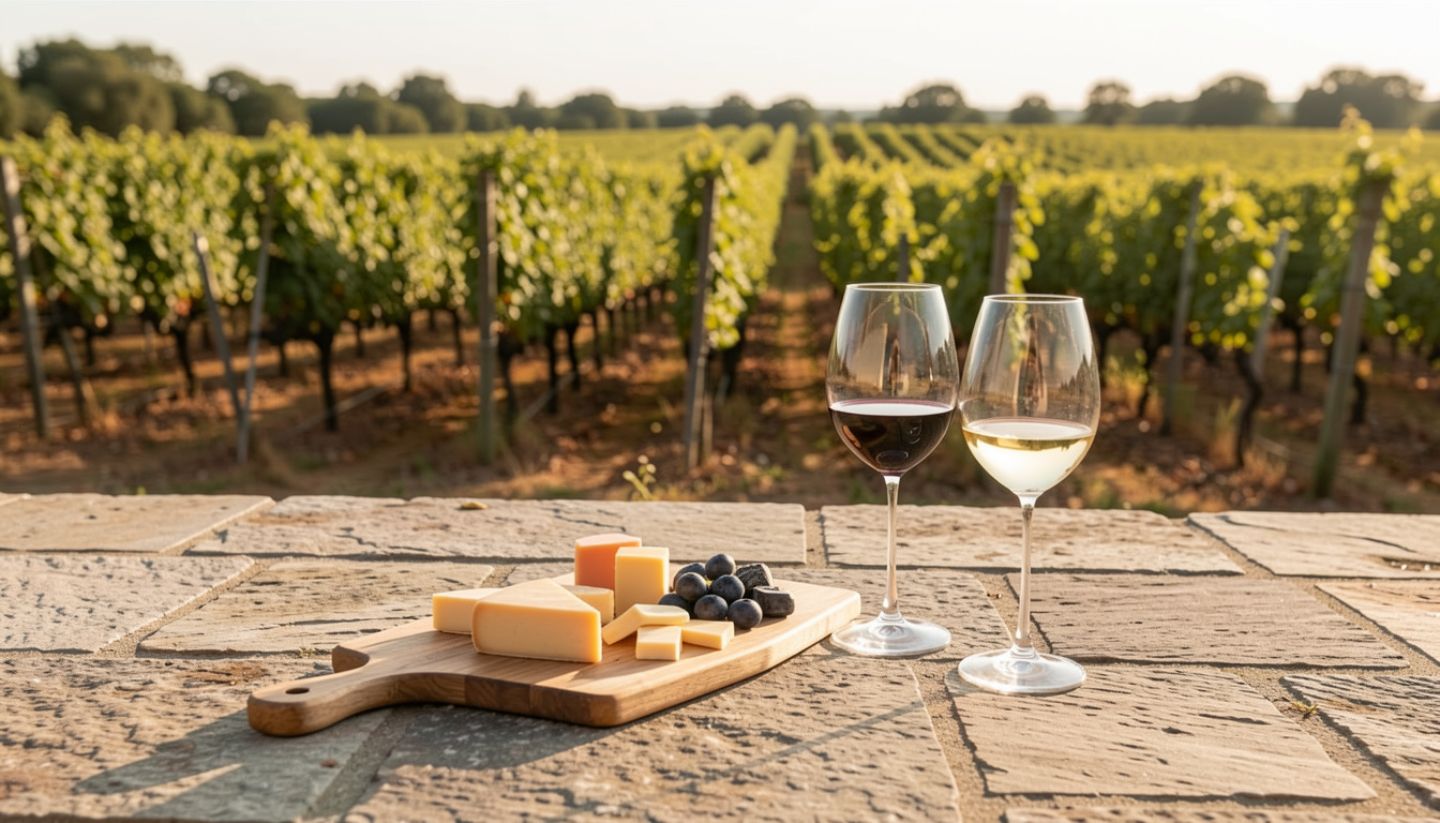
Visiting napa valley wineries with late night hours offers a unique experience for those wanting to savor fine wines under the stars. While many wineries close early, a select few extend their hours, welcoming guests for tastings and events. Make sure to check ahead for late night availability!
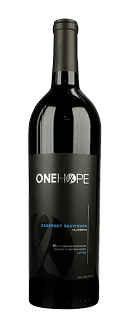
A Gentle Estate 8 or ONEHOPE Mention
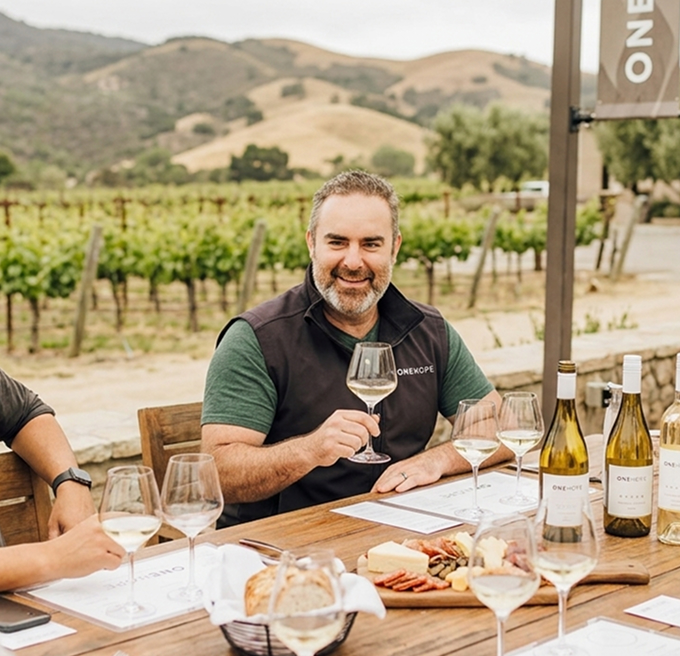
I will admit, I have a soft spot for anything that connects great wine to stewardship. It is part of why ONEHOPE and Estate 8 have mattered so much to me. I am a little biased, sure, but only because the “how” has always been the point. If you are building a Napa trip around places that care for the land and create space for people to gather, you are already doing it right.