If you stand on a crush pad in late September, somewhere between Rutherford Cross Road and Zinfandel Lane, you start to understand that a winery is not just a tasting room with a view.
It is a machine built with intention.
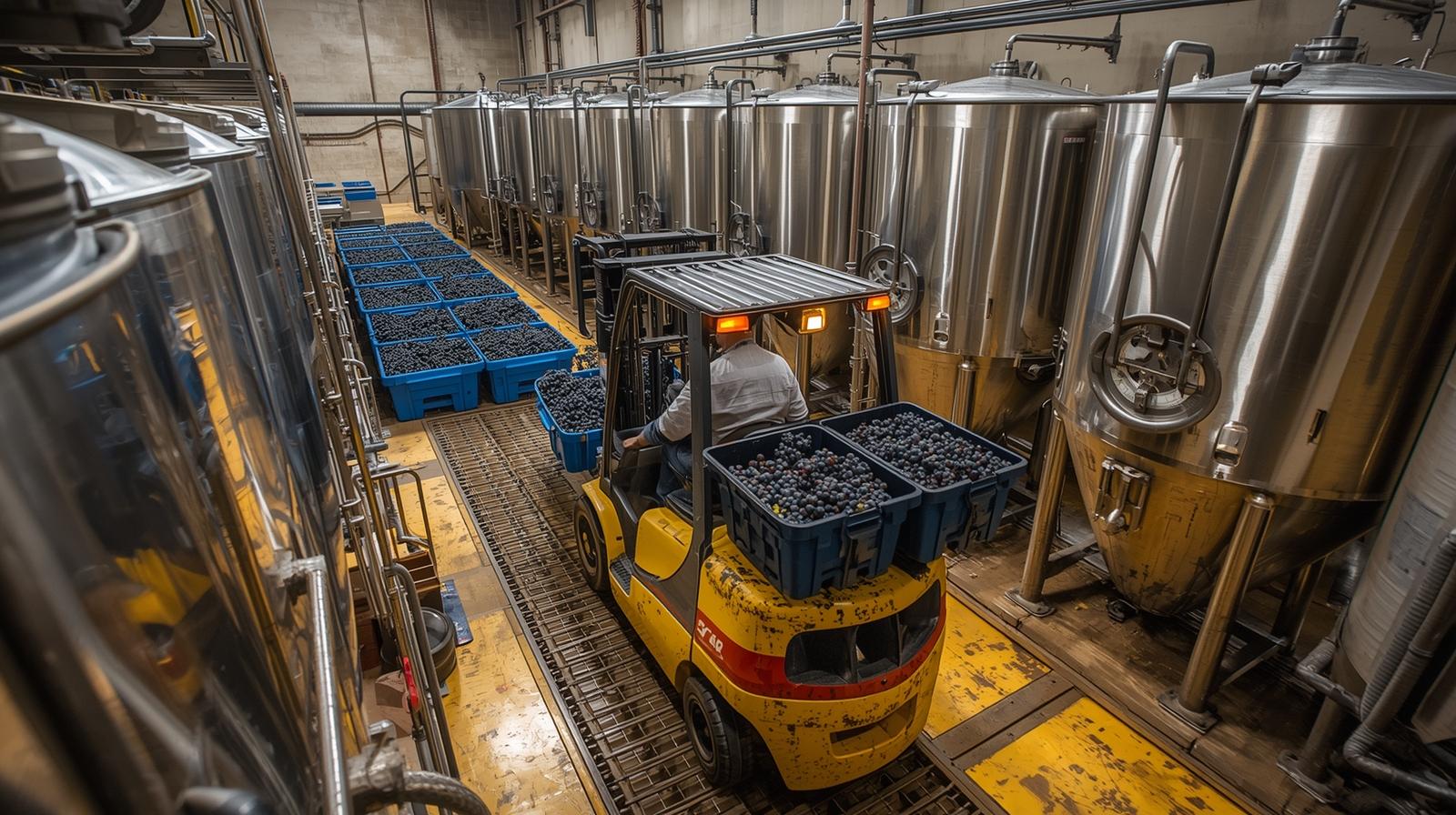
Forklifts move half ton bins of Cabernet from the benchlands. Stainless steel tanks rise two stories high in Oakville production facilities. Floors slope almost invisibly toward trench drains. Catwalks sit exactly where a cellar hand needs them during peak fermentation. Every inch is measured against gravity, sanitation, and safety.
In Napa Valley, winery construction blends agriculture, seismic engineering, geology, hydrology, and hospitality design. The estates you admire along Silverado Trail or tucked into the slopes above Spring Mountain are supported by invisible layers of technical precision.
If you are curious about winery construction Napa style, this valley is a living classroom.
What This Experience Is Really About
- The land
- The wine style
- The guest
On the valley floor in Rutherford and Oakville, space allows for large scale fermentation halls and efficient truck access during harvest. Up on Spring Mountain Road, steep slopes demand excavation, retaining walls, and cave stabilization. In Carneros, wind and fog influence building orientation and insulation strategy.
Vineyard engineering Napa projects must respond to:
- Seismic building codes
- Water use regulations
- Harvest logistics
- Gravity flow design
- Direct to consumer hospitality
When done well, engineering disappears and hospitality takes center stage.
A Short Personal Storya
When we were designing Estate 8, I spent early mornings walking the property before any construction began. I watched how water moved after rain. I paid attention to how the western light hit the vineyard rows in late afternoon.
I am biased. It is my baby.
But one of the biggest lessons I learned is that winery architecture starts with listening to the land. The slope dictates more than you think. Drainage decisions affect not just infrastructure, but long term soil health. Orientation shapes guest experience without them realizing it.
Guests will never ask about wastewater treatment systems. But they feel when a room holds temperature perfectly or when a terrace frames the Mayacamas just right.
That is engineering serving hospitality.
The Pillars of Vineyard Engineering Napa
1. Gravity Flow Systems
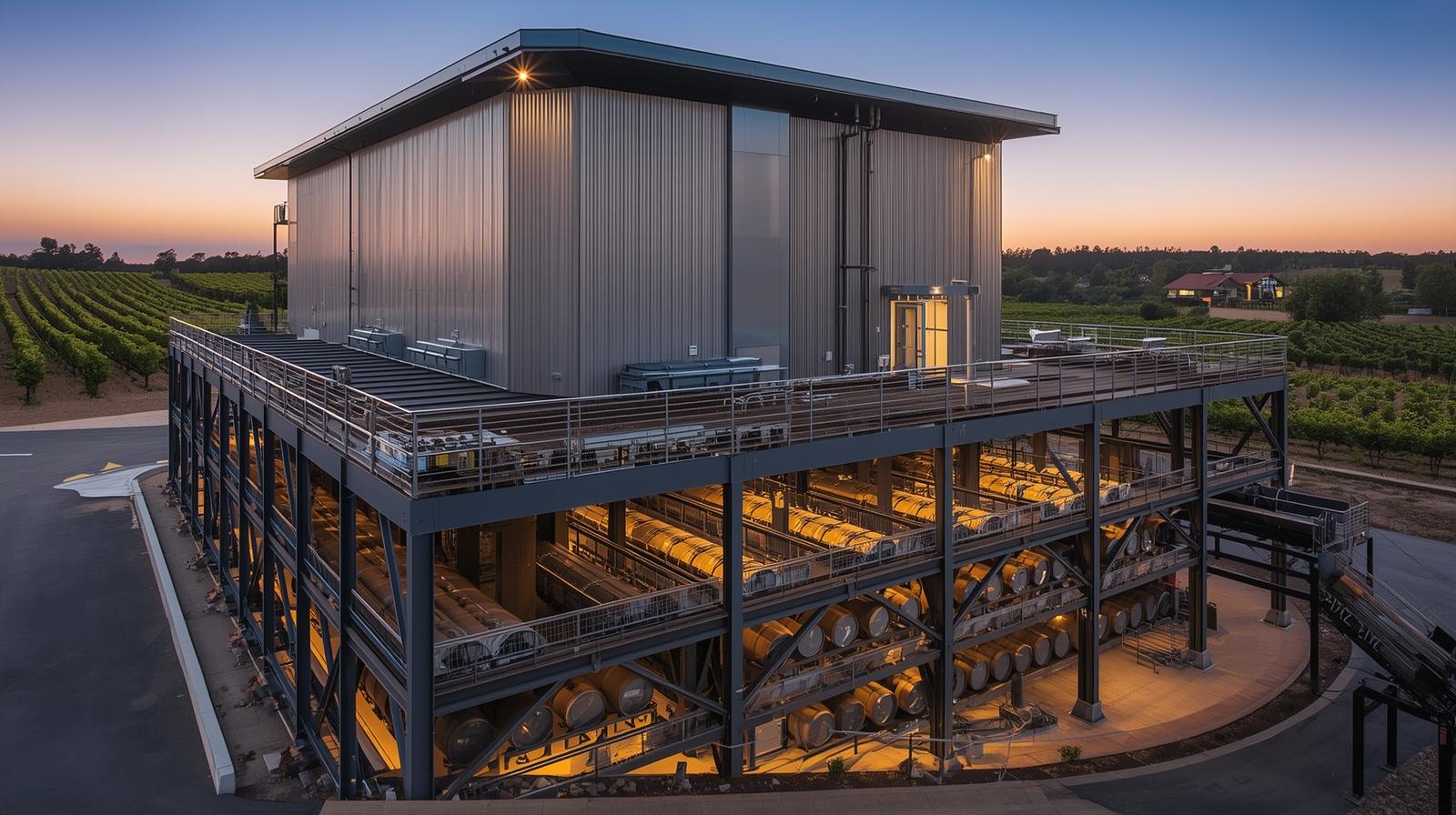
Many premium estates operate as gravity flow winery Napa facilities.
Instead of pumping grapes and wine between stages, the winery is built on multiple levels so fruit moves downward naturally from crush pad to fermentation to barrel.
This requires:
- Tiered construction
- Exact elevation mapping
- Reinforced concrete pads
- Precise tank placement
On the western edge of the valley floor, the natural slope of the Mayacamas foothills often supports this design.
Gravity reduces agitation. Engineering protects quality.


2. Napa Wine Caves Construction
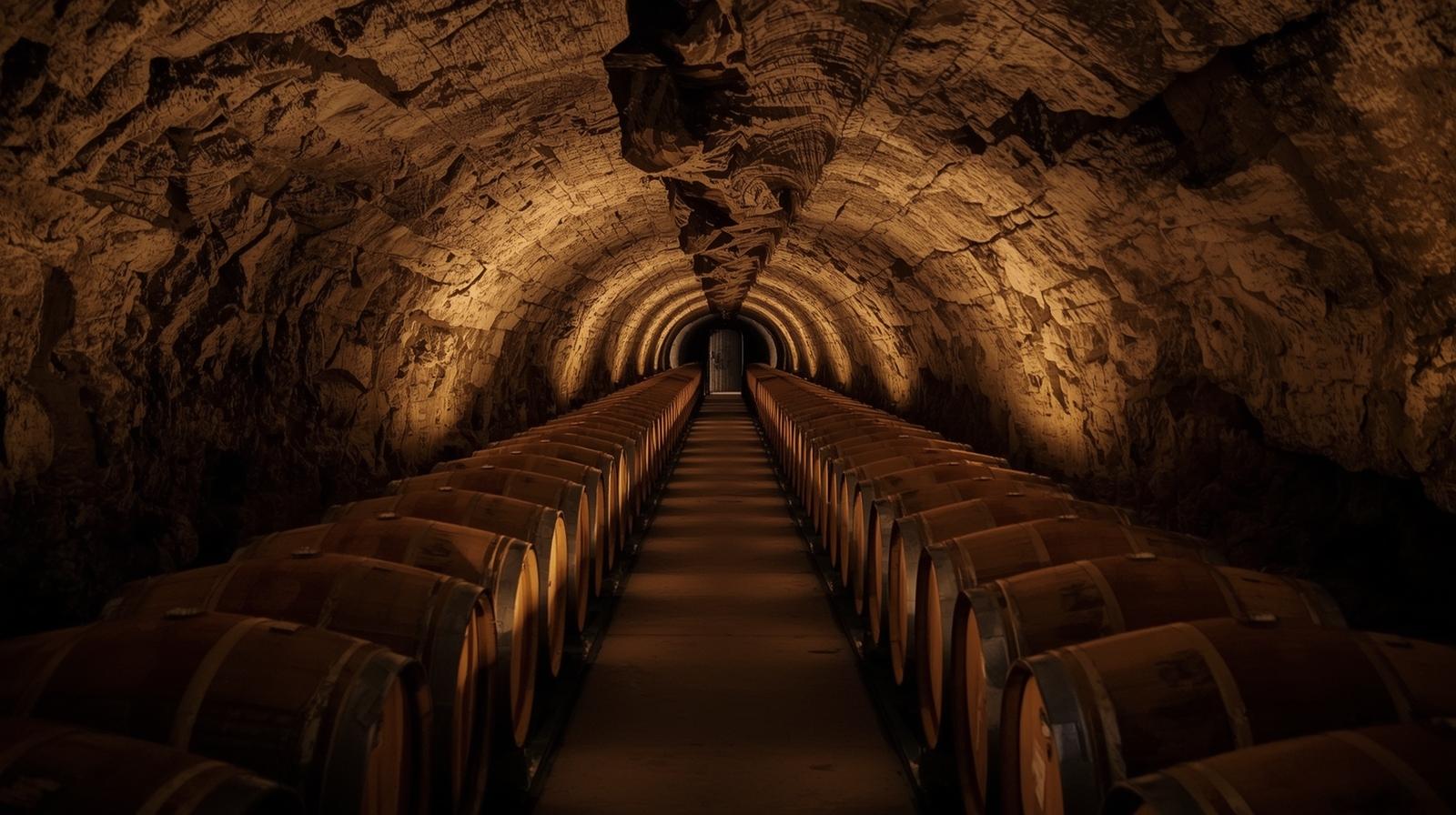
Drive up Spring Mountain Road or Atlas Peak and you will find wineries built directly into volcanic rock.
Cave construction involves:
- Geological surveys
- Shotcrete stabilization
- Rock bolting
- Ventilation engineering
- Fire safety systems
The payoff is natural temperature stability around 58 degrees with ideal humidity for aging Cabernet Sauvignon. Energy use drops. Barrel conditions remain consistent.
Standing in a cave during a quiet winter tour, you can feel how architecture and geology become one.
3. Seismic and Structural Resilience
Napa sits in a high seismic zone. Winery construction Napa projects must overbuild rather than underbuild.
You will notice:
- Fermentation tanks bolted into reinforced foundations
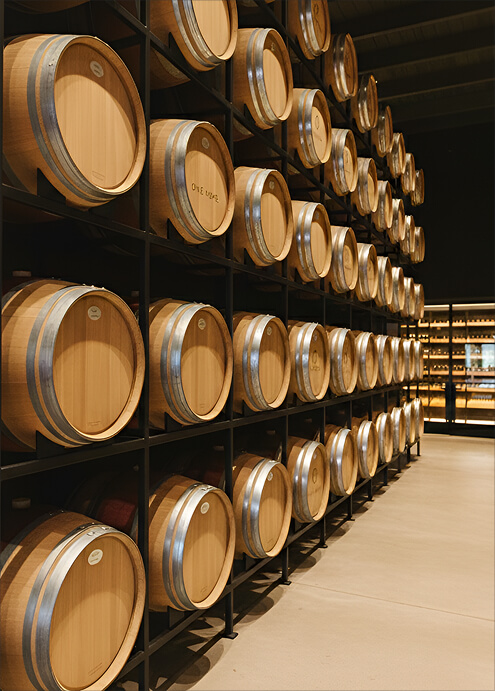
- Barrel stacks secured to prevent collapse
- Structural steel integrated discreetly into tasting room design
The 2014 earthquake reminded everyone here that resilience is not optional.
Beauty rests on preparation.
4. Water and Environmental Engineering
Water management is central to vineyard engineering Napa projects.
Modern facilities incorporate:
- Process water recycling for vineyard irrigation
- Stormwater capture from large roof surfaces
- Permeable landscaping
- Solar integration
On properties near the Napa River or in lower lying Rutherford sections, drainage planning is especially critical.
Engineering protects both wine and watershed.
Architecture Meets Hospitality
Napa Valley winery architecture is not purely industrial.
Tasting rooms in Oakville often frame vineyard views toward the Mayacamas. In Carneros, buildings sit lower to handle wind exposure from San Pablo Bay. In St. Helena, historic stone and redwood nod to agricultural roots.
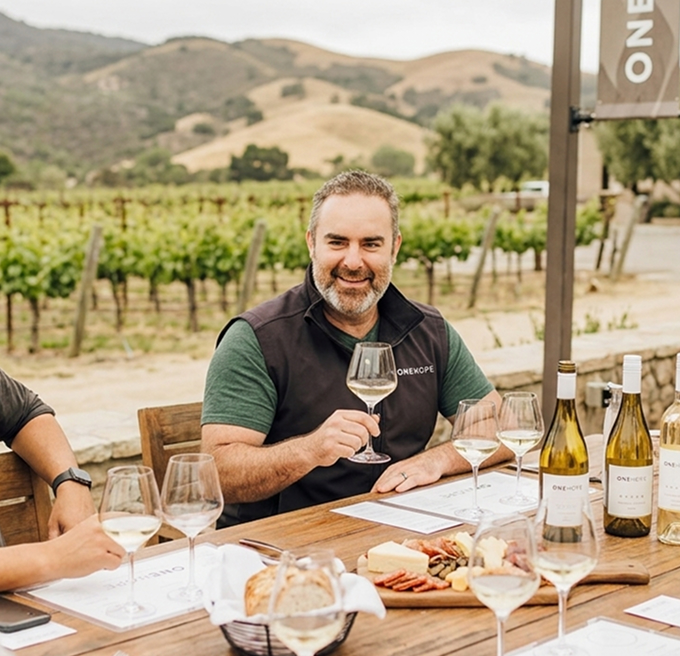
At Estate 8, we thought carefully about how guests transition from vineyard to terrace to glass. I am biased. But the goal was simple. Production supports the experience, never overwhelms it.
Hospitality and engineering must move in the same direction.
What Most Visitors Miss
When touring a winery in Napa Valley, look beyond marble counters and chandeliers.
Notice:
- Floor slopes toward drains
- Ceiling height in fermentation halls
- Distance between crush pad and tank room
- Humidity levels in barrel caves
- Truck access routes off Silverado Trail
A well engineered facility feels seamless because nothing fights gravity or workflow.
Winery Construction Napa Itinerary
One Focused Day
Morning
Visit a gravity flow winery in Oakville or Rutherford. Ask about elevation planning and crush logistics.
Lunch
Dine in St. Helena. Notice how architecture firms and vineyard engineering consultants cluster nearby.
Afternoon
Head up Spring Mountain Road for a cave tour. Study the geology and structural reinforcement.
Evening
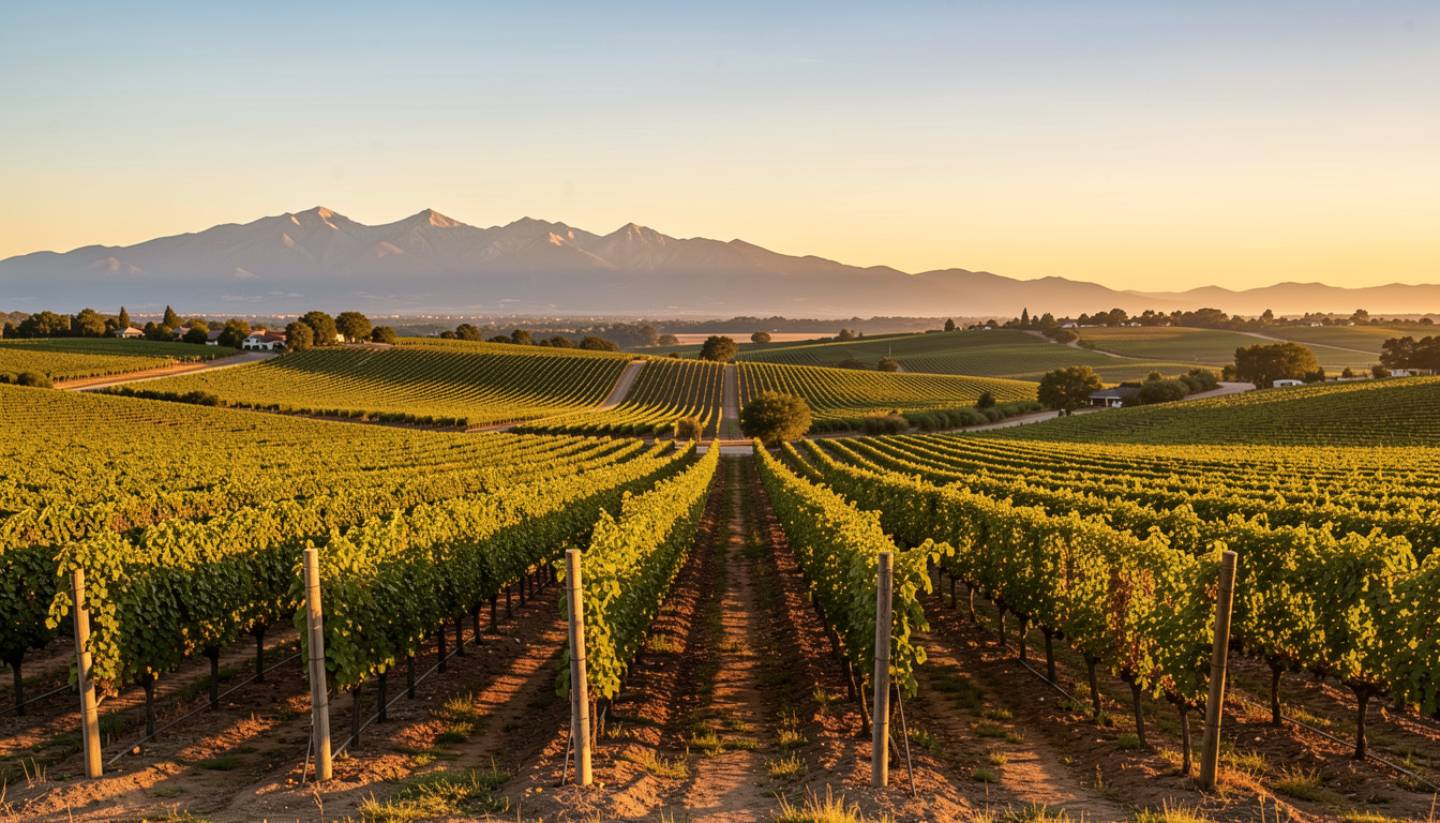
Drive Silverado Trail at golden hour and observe how estates integrate into the landscape.
Weekend Deep Dive
Day One
Valley floor production facility in Rutherford.
Stainless steel tank room tour in St. Helena.
Day Two
Hillside cave estate on Atlas Peak or Spring Mountain.
Carneros winery focused on sustainable construction and wind conscious design.
Compare terrain, scale, and engineering solutions.